
A Complete Guide to GLP-1 Weight Loss Medications and How They Work
GLP-1 weight loss medications have become one of the most talked-about topics in health and wellness, with growing interest in how these treatments work and who they’re right for. If you’ve been considering this option, understanding the basics before talking to your doctor can help you feel more prepared for that conversation.
This guide covers how these medications work, what to expect, and important questions to discuss with a healthcare provider before starting.
What Are GLP-1 Medications
GLP-1 stands for glucagon-like peptide-1, a natural hormone that plays a role in regulating blood sugar and appetite. Medications in this class mimic that hormone, helping to slow digestion, reduce appetite, and support blood sugar regulation.
Originally developed to manage type 2 diabetes, these treatments have since expanded into weight management, with growing use among people looking for additional support alongside diet and exercise.
How GLP-1 Weight Loss Medications Work
These medications work by acting on receptors in the brain and digestive system that influence hunger signals and how quickly food moves through the stomach. This combination often leads to feeling full sooner and staying satisfied longer between meals.
Because they affect appetite regulation directly, many people find it easier to make sustainable dietary changes while using this type of treatment, though results and experiences vary from person to person.
Who Might Be a Candidate for GLP-1 Weight Loss Medications
Doctors typically evaluate several factors when considering this type of treatment, including:
- Current body mass index (BMI) and overall health history
- Presence of conditions like type 2 diabetes or high blood pressure
- Previous attempts at weight management through diet and lifestyle changes
- Any existing medications that could interact with treatment
This decision is always made individually with a healthcare provider, based on a full medical evaluation rather than general information alone.
Common Questions About GLP-1 Weight Loss Medications
Before starting any treatment in this category, it helps to have a clear conversation covering:
- What results are realistic to expect, and over what timeframe
- What side effects are most common, and how they’re typically managed
- How this treatment might interact with current medications or health conditions
- What the plan looks like for long-term use versus stopping treatment
- What lifestyle changes work best alongside this type of medication
Bringing a written list of questions to your appointment often helps make sure nothing gets missed in the conversation.
What to Expect When Starting Treatment
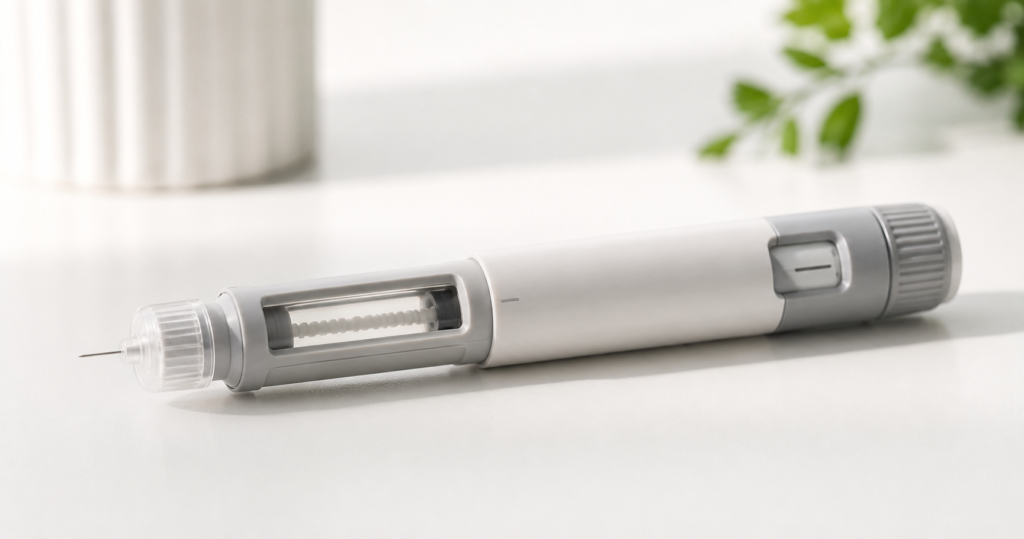
Gradual Dose Adjustments
Most treatment plans in this category start with a lower dose that gradually increases over time, allowing the body to adjust and helping to minimize side effects along the way. Your doctor will determine the right schedule based on your individual response.
Common Side Effects
Nausea, mild digestive discomfort, and changes in appetite are among the most commonly reported effects, particularly during the initial adjustment period. These often lessen over time as the body adapts.
Lifestyle Adjustments That Support Results

Many healthcare providers recommend pairing treatment with supportive habits, such as:
- Eating smaller, more balanced meals throughout the day
- Staying well hydrated
- Gradually increasing physical activity as tolerated
- Prioritizing protein and fiber-rich foods to support fullness and nutrient needs
Long-Term Considerations
Weight management with GLP-1 weight loss medications is often an ongoing process, and many healthcare providers view them as one part of a broader long-term plan rather than a standalone solution. Questions about how long to continue treatment, what happens if it’s stopped, and how to maintain results over time are all worth discussing directly with your provider.
Regular follow-up appointments allow adjustments based on how your body responds, and ongoing monitoring helps ensure the approach continues to align with your overall health goals.
Conclusion
Considering GLP-1 weight loss medications is a significant decision that works best as part of a broader conversation with your healthcare provider. Understanding how these medications work, what side effects to expect, and how they fit into a long-term approach to health can help you feel more confident going into that discussion.
As with any medical treatment, individual results and experiences vary, making a personalized conversation with your doctor the most important step before starting.
Frequently Asked Questions
How do GLP-1 weight loss medications work?
They work by mimicking a natural hormone involved in appetite regulation and digestion, helping people feel full sooner and stay satisfied longer between meals.
Are these medications only for people with diabetes?
No. While originally developed for type 2 diabetes, this treatment category has expanded into weight management for people who meet certain health criteria, as determined by a doctor.
What are the most common side effects?
Nausea and mild digestive discomfort are among the most commonly reported effects, particularly when starting treatment or increasing the dose.
How long do people typically stay on this type of treatment?
This varies significantly by individual and is determined through ongoing conversations with a healthcare provider based on personal health goals and response to treatment.
Can lifestyle changes still make a difference while using GLP-1 weight loss medications?
Yes. Most healthcare providers recommend pairing treatment with supportive habits like balanced nutrition and physical activity for the best long-term results.
How to use this information in a realistic routine
It helps to treat health and supplement decisions as part of a bigger routine rather than as a single quick fix. Start with the basics that apply to the topic, keep changes simple enough to repeat, and give yourself time to notice whether the routine is actually practical. If a product is involved, compare the label, serving size, ingredient amounts, allergens and cost per serving instead of relying only on front-label claims.
For symptoms that are persistent, severe, new or getting worse, a clinician can help rule out causes that a wellness article cannot diagnose. That is especially important when symptoms overlap with medication effects, hormonal changes, digestive conditions or other health concerns. The goal is not to chase every trend; it is to make a sensible decision with clear expectations.
A simple check before you change your routine
- What specific problem are you trying to solve?
- Is the change realistic enough to repeat for several weeks?
- Are there medications, allergies or medical conditions to consider?
- Can you measure progress without relying on exaggerated promises?
- Would food, sleep, movement or professional care matter more than a supplement?


Questions worth asking before starting
Ask what outcomes are realistic, which side effects deserve a call, how follow-up will work, and what nutrition or strength-training habits may help protect lean mass during weight loss. Medication choice and dose are clinical decisions; an article can help you prepare questions, but it cannot replace individualized medical advice.
Monitoring matters after treatment begins
Follow-up is part of treatment, not an optional extra. Weight change, side effects, hydration, food intake and other health markers may need review over time. If the medication is stopped, appetite and weight patterns may also change, so long-term planning should be discussed with the prescriber instead of focusing only on the first weeks.
Build a long-term plan, not just a starting plan
It is helpful to think beyond the first prescription. Ask how maintenance will be handled, what happens if side effects limit the dose, how nutrition and strength training fit into the plan, and what markers will be followed over time. Sustainable care usually depends on follow-up, not on the medication alone.