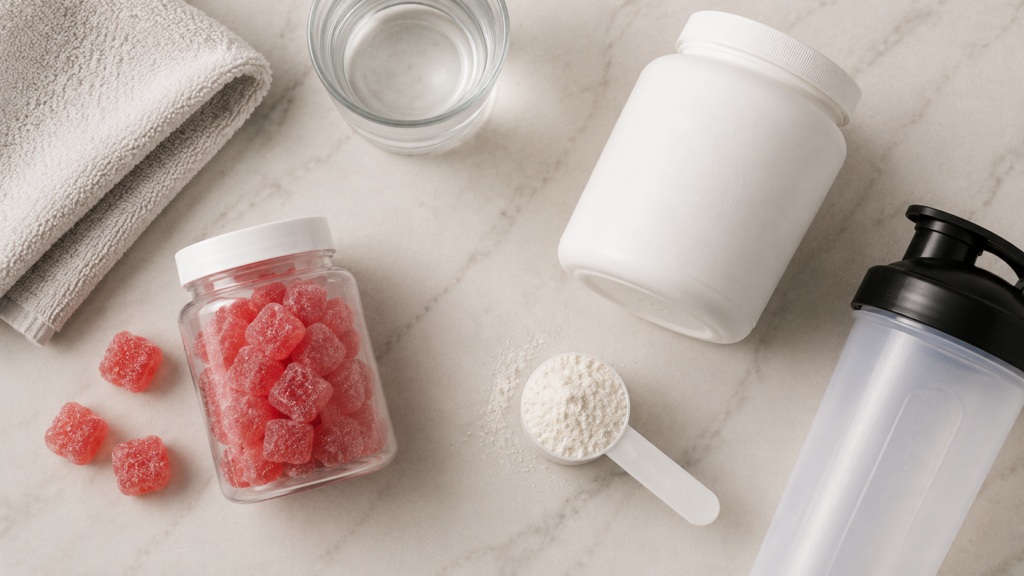
Quick Answer: Creatine monohydrate does not always dissolve completely in cool water, and some sediment at the bottom of a glass does not automatically mean the product is poor quality. Particle size, water volume, temperature and mixing all affect the drinking experience. New high-solubility creatine technologies are targeting this exact problem, but better solubility should not automatically be interpreted as better muscle uptake.
Why Creatine Won’t Dissolve Completely
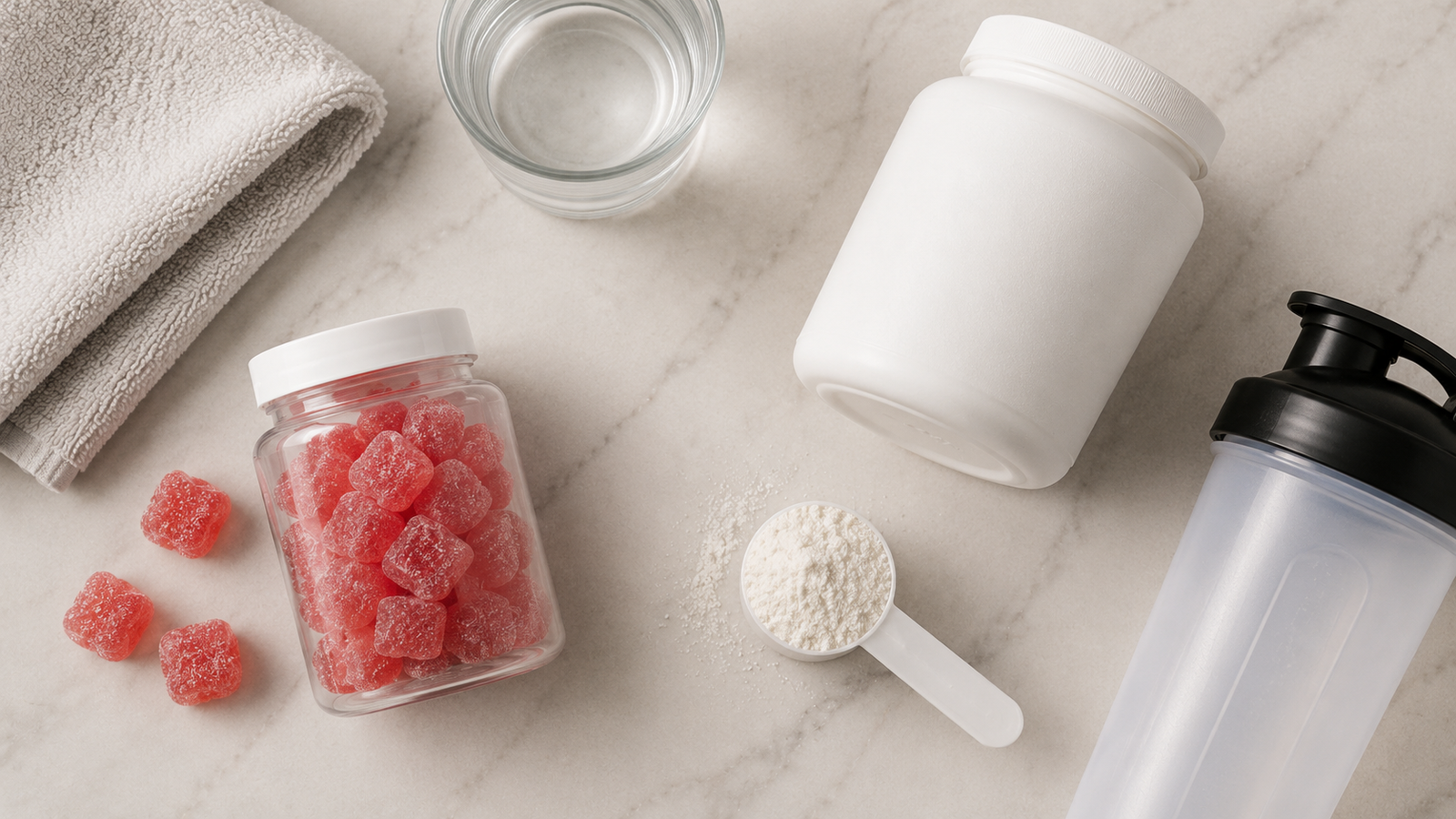
Traditional creatine monohydrate has limited solubility in water. That familiar layer of white powder or gritty texture can become more noticeable when you use a small amount of cold liquid or let the drink sit. This is primarily a formulation and user-experience issue—not proof that your creatine suddenly stopped working.
1. Cold Water Can Make the Grit More Noticeable
Warmer liquid generally helps powders dissolve more readily than very cold liquid. You do not need to turn creatine into a hot drink, but temperature can explain why the same powder seems smoother in one drink and gritty in another.
2. Water Volume and Mixing Matter
A full serving in a tiny glass gives the powder less liquid to disperse through. More liquid, thorough stirring or shaking, and drinking soon after mixing can improve the experience. Always follow the serving directions on the specific product.
The Important Distinction
Dissolves better does not automatically mean works better. Solubility can improve texture, convenience and formulation flexibility. Claims about superior absorption or superior results require separate evidence.
3. What Does Micronized Creatine Change?
Micronization reduces particle size. Smaller particles can disperse more easily and may feel smoother in a drink, but micronized creatine is still creatine monohydrate. For shoppers who dislike a sandy mouthfeel, particle size can be a useful product feature without turning it into a completely different supplement.
4. A New Generation Is Targeting Solubility
Ingredient developers are now building creatine specifically around improved dissolution and reduced sedimentation. OptiCreatine, for example, is positioned as a high-solubility creatine platform intended for clear drinks and newer delivery formats. This is an interesting product-development trend, but consumers should separate a smoother drinking experience from claims of superior physiological effectiveness unless comparative evidence supports those claims.
New-product watch: OptiCreatine-based products are beginning to launch internationally. At the time this article was prepared, we had not confirmed a suitable OptiCreatine product listing on Amazon US for VitalHarmonyFit. We will add an Amazon option only after the exact product, ASIN and official product images are verified.
5. What to Check Before Buying Another Creatine Powder
- Creatine amount per serving
- Whether the formula is plain creatine monohydrate or a multi-ingredient blend
- Serving size and number of servings
- Particle size or micronized labeling when texture matters to you
- Added flavors, sweeteners or electrolytes
- Transparent manufacturing and quality information
- Cost per full serving rather than container price alone
6. Should You Replace a Creatine That Leaves Sediment?
Not necessarily. If you tolerate your current product and use it consistently, visible sediment alone is not a compelling reason to throw it away. A more soluble or micronized product can make sense when texture is the reason you avoid taking creatine consistently.
7. Powder, Gummies or New Clear Formats?
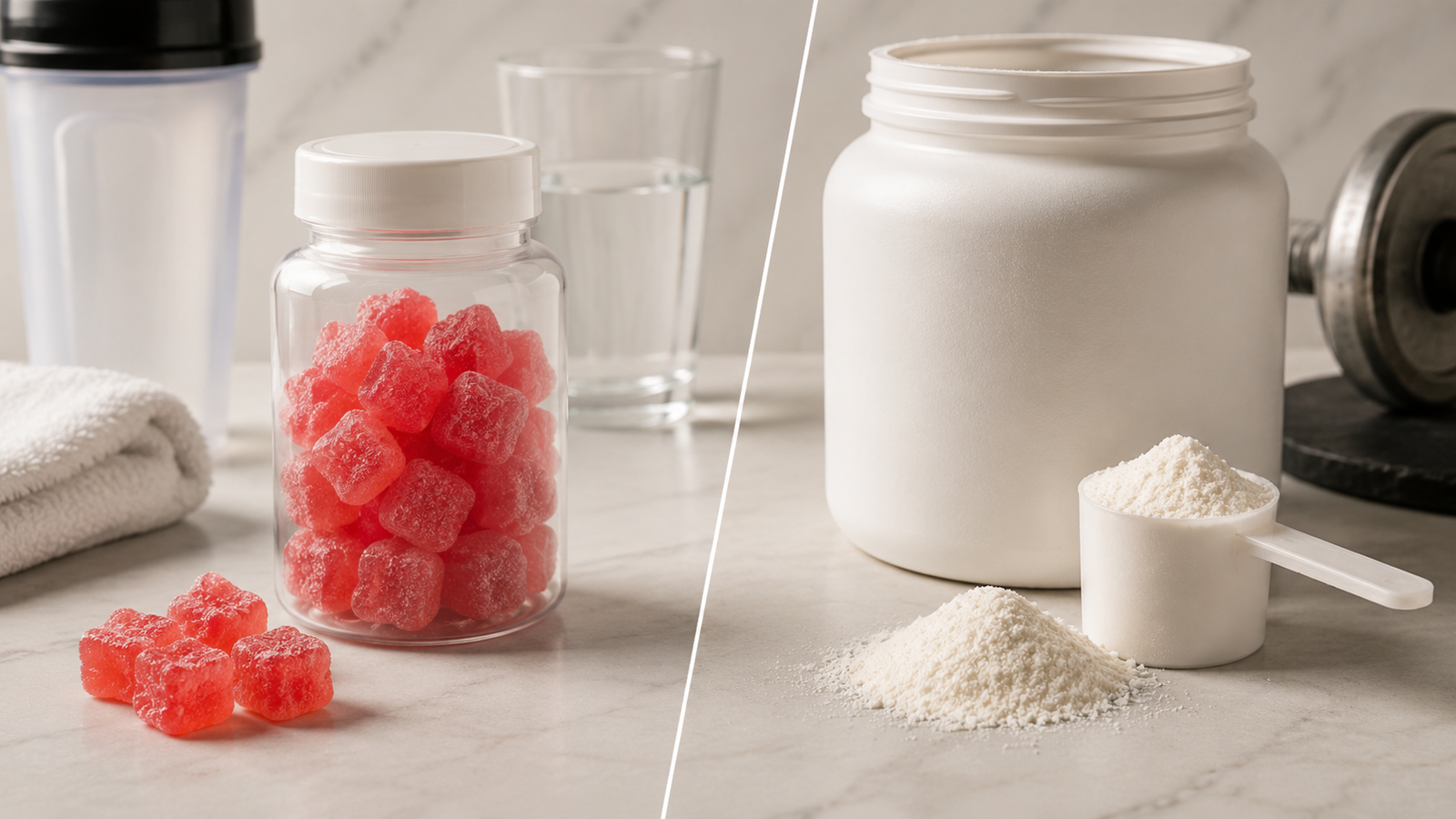
Powder remains easy to compare by dose and cost. Gummies and chewables trade mixing for convenience, while emerging clear-drink technologies focus on mouthfeel and formulation. The smartest comparison is the amount of creatine you actually receive per daily serving, the ingredient list and the price you pay for that serving.
Frequently Asked Questions
Does creatine have to dissolve completely?
A completely clear drink is not the standard by which creatine monohydrate effectiveness is established. Solubility affects the drinking experience and formulation; it should not be confused automatically with effectiveness.
Is micronized creatine better?
It can be better for texture and dispersion. That does not by itself establish superior results compared with an appropriate serving of conventional creatine monohydrate.
Why is creatine gritty at the bottom of my glass?
Limited solubility, cold liquid, water volume, particle size and how long the drink sits can all contribute to sediment.
A Simple Mixing Routine to Try First
Before paying more for a different creatine formula, try a small, practical test using your current product. Follow the label’s serving amount, put enough water in the glass or shaker to mix it comfortably, and stir or shake thoroughly. If the drink still feels sandy, try a little more liquid or a slightly warmer drink next time. Avoid using very hot liquids unless your product directions explicitly allow it, and do not leave a mixed drink sitting for hours. A few undissolved particles are not, by themselves, a reason to increase the dose.
One helpful distinction: dissolving means the powder goes into solution, while dispersing means particles are spread throughout the liquid. Micronized powders may disperse more smoothly even when the creatine is not fully dissolved. If your complaint is texture rather than results, look for reviews that discuss mouthfeel and sediment after the drink has been standing for a minute.
Do You Need an Expensive Soluble Creatine?
Not automatically. Regular creatine monohydrate is one of the best-studied forms for exercise performance. The NIH Office of Dietary Supplements describes evidence for strength and repeated high-intensity exercise and explains common safety considerations. The research on conventional creatine does not require your drink to look perfectly clear.
Manufacturers are also exploring formulations designed to improve solubility. For instance, TSI Group introduced OptiCreatine as a processing technology focused on clearer drinks and reduced sediment. Those are manufacturer-reported product features, not independent proof that everyone will build more muscle or see greater athletic benefits. Until fair comparisons demonstrate otherwise, judge claims of increased effectiveness separately from ease of mixing.
When to Check With a Professional
Adults with kidney disease, other relevant medical conditions, or medications that affect kidney function should discuss supplements with a clinician before starting or changing them. If you experience persistent stomach discomfort, stop and seek individual advice. This guide is about shopping and preparation—not a personalized dosage plan.
Explore Creatine Options on Amazon
Prefer a plain, clearly labeled monohydrate? Compare serving size, ingredient lists, manufacturer information and current prices in the Amazon US results. This button opens a category search, not a verified OptiCreatine listing or a guarantee of the lowest price.
Affiliate disclosure: As an Amazon Associate, Vital Harmony Fit may earn from qualifying purchases, at no extra cost to you. Product prices and availability are determined by Amazon.
Bottom Line
If gritty creatine is making your daily routine annoying, newer micronized and high-solubility products are worth watching. Just keep the comparison grounded: dose, ingredients, quality, price and consistency matter more than a dramatic claim on the front of the tub.
VitalHarmonyFit provides educational wellness information and does not diagnose, treat, cure or prevent disease. Supplement needs vary by individual.