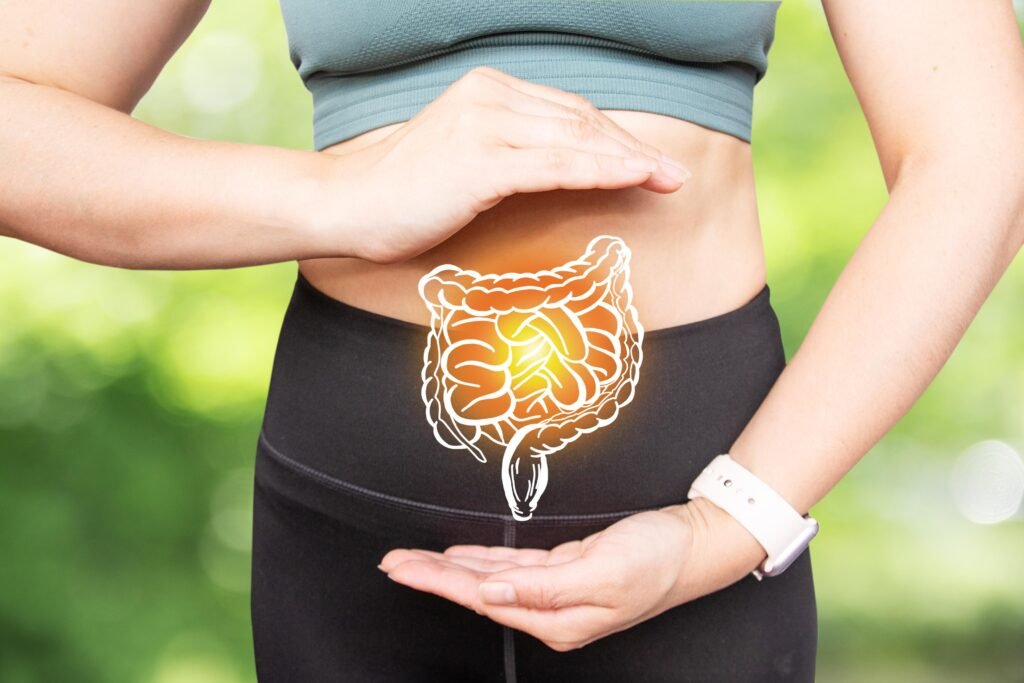
Simple, evidence-informed habits to support digestion and long-term gut health
If you’re looking for how to improve your digestive system naturally, you’re not alone — gut health has become one of the most talked-about topics in modern wellness. Your digestive system helps break down food and absorb nutrients, while the gut microbiome also interacts with immune and metabolic processes. Research continues to explore how these connections relate to overall health.
Use the symptom as a starting point, not a diagnosis
One symptom rarely explains the whole picture. Sleep, food patterns, activity, medication, stress and underlying health conditions can overlap. These guides can help you organize better questions before changing your routine:
Persistent, severe or rapidly changing symptoms deserve evaluation from a qualified healthcare professional. Educational content cannot diagnose the cause for an individual reader.
If you often feel bloated or notice changes in bowel habits, it can be useful to look at everyday factors such as diet, hydration, sleep, stress, and activity. These symptoms can have many causes, however, so persistent, severe, or unexplained symptoms should be discussed with a healthcare professional.
What Is Gut Health, Really?
Gut health is a broad term that includes digestive function and the community of microorganisms living in the digestive tract, known as the gut microbiome. These microorganisms are involved in processes such as digestion, production of certain compounds, and interactions with the immune system.
A diverse, balanced diet and healthy lifestyle can support normal digestive function. The microbiome varies considerably from person to person, and there is no single “perfect” gut profile that applies to everyone.
Signs Your Digestive System Might Need Attention
Digestive symptoms are common and are not specific to a single cause. Examples include:
- Bloating and gas
- Constipation or irregular bowel movements
- Abdominal discomfort
- Changes in stool frequency or consistency
Symptoms such as fatigue, skin changes, or mood changes can occur for many unrelated reasons and should not automatically be attributed to the gut. If symptoms are persistent, worsening, or accompanied by warning signs such as blood in the stool, unexplained weight loss, fever, or severe pain, seek medical advice.
1. Eat More Fiber-Rich Foods
Fiber supports normal bowel function, and many fiber-rich foods also provide substrates that gut bacteria can ferment.
Fiber-rich foods include:
- Fruits (apples, bananas, berries)
- Vegetables (broccoli, carrots, spinach)
- Whole grains (oats, brown rice, quinoa)
- Legumes (beans, lentils, chickpeas)
Increasing fiber gradually can help reduce gas or bloating that sometimes occurs when intake rises too quickly. People with certain digestive conditions may need individualized advice about fiber.
2. Add Probiotic and Fermented Foods
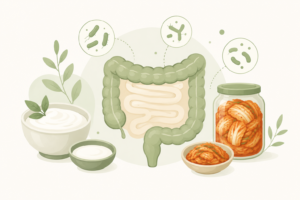
Some fermented foods contain live microorganisms, although the strains and amounts vary by product. They can be part of a varied diet, but they should not be treated as a guaranteed way to correct a specific health problem.
Common fermented foods include:
- Yogurt with live active cultures
- Kefir
- Sauerkraut
- Kimchi
- Miso and tempeh
If you enjoy these foods and tolerate them well, regular small servings can be an easy way to add variety to your diet.
3. Don’t Forget Prebiotic Foods
Prebiotics are certain types of compounds, often fibers, that are used by beneficial microorganisms in the gut. Many everyday plant foods naturally contain prebiotic fibers.
Sources include:
- Garlic and onions
- Bananas
- Asparagus
- Oats
- Leeks
Rather than focusing on one “gut health” food, aim for variety across fruits, vegetables, whole grains, legumes, nuts, and seeds when appropriate for you.
4. Stay Consistently Hydrated
Fluids support normal digestive function and can be particularly important when increasing dietary fiber. Individual fluid needs vary with body size, climate, activity, diet, pregnancy, medications, and health conditions.
A simple habit is to keep water available throughout the day and drink regularly according to thirst and your individual needs.
5. Build Your Diet Around Minimally Processed Foods
Eating patterns rich in vegetables, fruits, whole grains, legumes, and other minimally processed foods generally provide more fiber and nutrient variety than diets dominated by highly processed foods.
You do not need to eliminate favorite foods. Gradual, sustainable changes are often easier to maintain than an overnight overhaul.
6. Manage Stress Levels
The digestive system and nervous system communicate through pathways often described as the gut-brain axis. Stress can influence digestive symptoms in some people, but symptoms such as bloating or abdominal discomfort can have many causes.
Simple stress-management habits may support overall well-being:
- A few minutes of slow breathing
- Short walks, ideally outdoors
- A consistent, calming bedtime routine
- Brief breaks throughout a busy day
7. Prioritize Quality Sleep
Sleep and digestive health are linked in several ways, and research is continuing to examine associations between sleep patterns and the gut microbiome. For most adults, maintaining a consistent sleep routine and getting adequate sleep supports overall health.
8. Move Your Body Regularly
Regular physical activity supports overall health and may help normal bowel function in some people. You do not need intense workouts to benefit from movement:
- Walking
- Stretching
- Light strength training
Choose activity that is appropriate for your fitness level and health status.
How Long Until You Notice a Difference?
There is no reliable universal timeline. Some people notice changes in bowel regularity or comfort relatively quickly after adjusting fiber, fluids, meal patterns, or activity, while others may notice little change. The result depends on the cause of the symptoms, the changes being made, and individual health factors.
Avoid judging gut health by a fixed 1-, 2-, or 8-week promise. If symptoms persist despite reasonable lifestyle changes, or if they are severe or concerning, talk with a qualified healthcare professional.
Frequently Asked Questions
Can I support gut health without supplements? Often, the first place to start is a varied diet, adequate fiber and fluids, regular movement, sleep, and other basic lifestyle habits. Supplements are not automatically necessary and may be appropriate only in specific circumstances.
Is it normal to feel more bloated at first when adding fiber? Some people notice more gas or bloating when fiber intake increases quickly. Increasing it gradually may help. Persistent or significant symptoms should be evaluated rather than assumed to be a normal adjustment.
How often should I eat fermented foods? There is no universal required amount. If you enjoy and tolerate fermented foods, they can be included regularly as part of a varied diet.
The Bottom Line
Supporting digestion does not require a complicated routine. A varied diet with appropriate fiber, adequate hydration, regular movement, sufficient sleep, and stress management can all contribute to overall digestive well-being. What works best varies from person to person, and ongoing symptoms deserve individualized medical evaluation.
This article is for informational and educational purposes only and is not a substitute for professional medical advice, diagnosis, or treatment. If digestive symptoms persist, worsen, or concern you, consult a qualified healthcare provider.