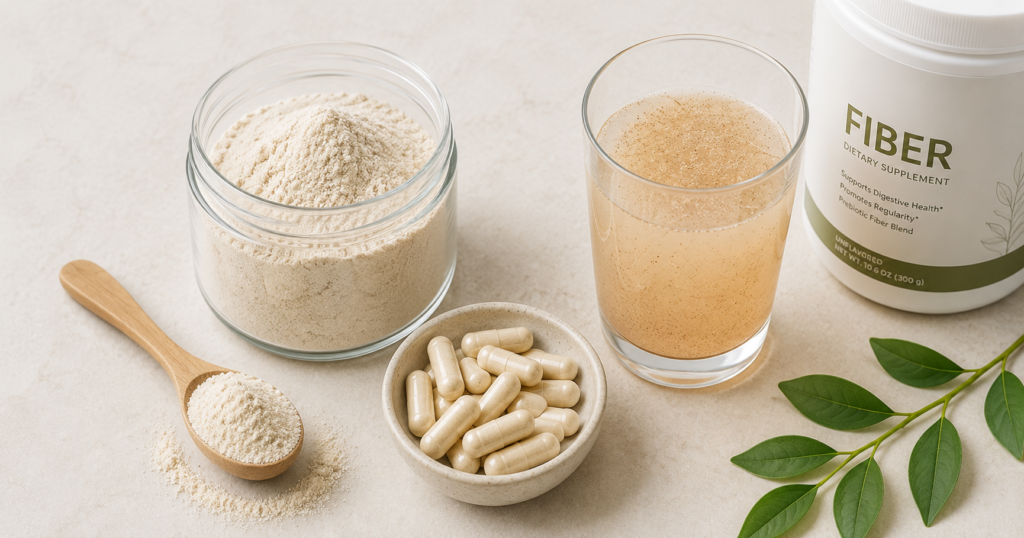
How to Choose the Best Fiber Supplements for Gut Health
nChoose fiber by the problem you are trying to solve. Psyllium, methylcellulose, inulin and other fibers behave differently. Start gradually, drink enough fluid, and remember that food-first fiber still matters.
| Main goal | Option to compare | Trade-off to know |
|---|---|---|
| Regularity / constipation | Psyllium or another bulk-forming fiber | Needs adequate fluid and may cause gas if increased too quickly. |
| Sensitive to fermentable fibers | Methylcellulose may be worth comparing | Less fermentable does not mean it is automatically best for everyone. |
| Prebiotic / microbiome focus | Inulin, FOS or mixed fermentable fibers | Can increase gas or bloating in some people. |
| Convenience | Capsules or gummies | Often provide less fiber per serving; check added sugars and serving size. |
If you are reaching for a fiber supplement because you feel constipated, your diet is low in plants, or you are trying to make bowel movements more regular, the useful question is not “Which fiber is best?” but “Which type matches my goal and my tolerance?” Fiber types act differently, and increasing too fast can make bloating worse.
If you’re overwhelmed by the number of options available, this guide breaks down the best fiber supplements for gut health, what they do, and how to choose the right one for your needs. Understanding the difference between soluble and insoluble fiber is the first step toward better digestive health. Soluble fiber dissolves in water to form a gel-like material, which can help lower blood cholesterol and glucose levels. Insoluble fiber, on the other hand, promotes the movement of material through your digestive system and increases stool bulk, which is especially beneficial for those who struggle with constipation or irregular stools.
Why Fiber Supplements Are Trending Right Now
Most people don’t get enough fiber from food alone, even with a relatively healthy diet. According to the Mayo Clinic, fiber is essential for maintaining a healthy weight and lowering your risk of diabetes and heart disease. The best fiber supplements for gut health offer a convenient way to close that gap, supporting regularity and gut bacteria. In today’s fast-paced world, these supplements provide a reliable way to ensure your gut microbiome remains diverse and resilient.
Rather than choosing a product because it is trending, compare the actual fiber source, grams of fiber per serving, added ingredients and how your digestive system responds.
Psyllium Fiber: The Most Popular Choice
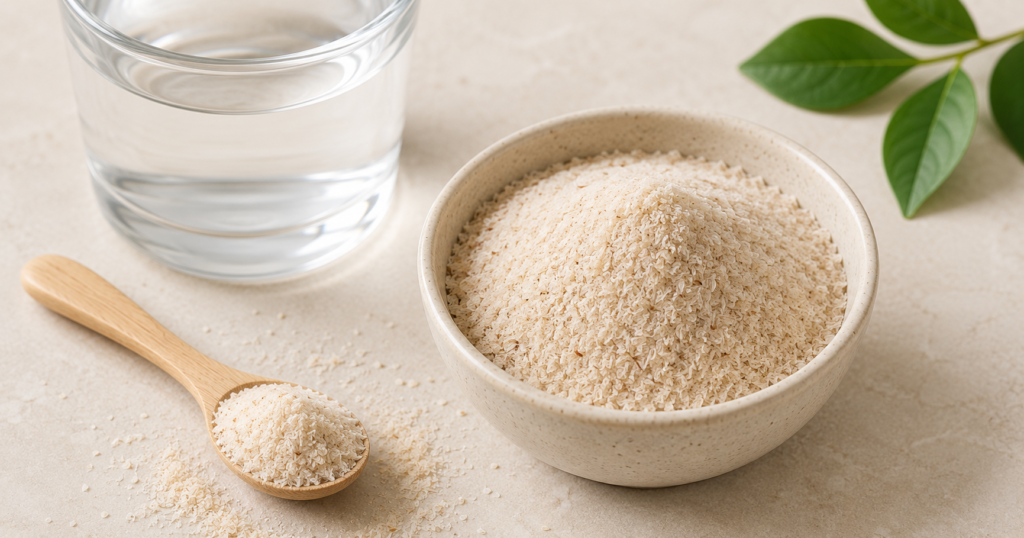
Psyllium husk is by far the most searched and most recommended type of fiber supplement. It is a soluble fiber that absorbs water and forms a gel-like consistency in the digestive tract. This process is a key part of how to improve your digestive system naturally. Psyllium absorbs water and forms a gel that can help increase stool bulk and support regularity. This unique action makes it a staple in many households looking for the best fiber supplements for gut health.
What Makes Psyllium Different
Unlike some harsh laxatives, psyllium is bulk-forming. This means it helps soften the stool by drawing in water, making it easier to pass without causing the urgency associated with other products. It is also highly effective at helping to manage blood sugar spikes after meals, as the gel consistency slows down the absorption of glucose. This dual benefit of digestive regularity and metabolic support is what keeps psyllium at the top of the list for wellness enthusiasts.
How to Take Psyllium Fiber
Psyllium is typically available as a powder, capsule, or husk. If using the powder, mix it quickly into at least 8 ounces of water and drink it immediately before it thickens. Always follow the dosage instructions on the product label, and start with a smaller amount to see how your body responds before increasing gradually. Drinking plenty of water throughout the day is non-negotiable when taking psyllium, as the fiber needs liquid to move effectively through your system.
Bioactive Fiber Supplements: A Rising Trend
One of the fastest-growing search terms in the fiber category right now is bioactive fiber. These formulas often combine multiple fiber sources with additional ingredients aimed at gut microbiome health. Research from the National Institutes of Health (NIH) highlights how essential fiber is for a healthy microbiome. Mixed or prebiotic fiber formulas can behave differently depending on the fibers used. Some fermentable fibers can actually increase gas or bloating in sensitive people, so the ingredient list matters more than the marketing label.
The Benefits of Bioactive Blends
These blends often include prebiotics like inulin or FOS (fructooligosaccharides). These specific fibers act as “fuel” for your probiotics. By nourishing the good bacteria already present in your gut, you support your immune system, as a large portion of immune cells are located in the digestive tract. Bioactive fiber is an excellent choice for those who want a more comprehensive approach to their health, moving beyond simple regularity to true microbial balance.
Other Popular Fiber Supplement Options
Methylcellulose and Calcium Polycarbophil
Methylcellulose is a synthetic soluble fiber that is less likely to cause gas because it doesn’t ferment in the gut. Calcium polycarbophil is another option that stays in the digestive tract and absorbs water. These are often recommended for individuals who experience significant bloating with natural fibers like psyllium or inulin. While they may not provide the same prebiotic benefits as natural sources, they are highly effective for symptom management.
Fiber Powders vs. Capsules
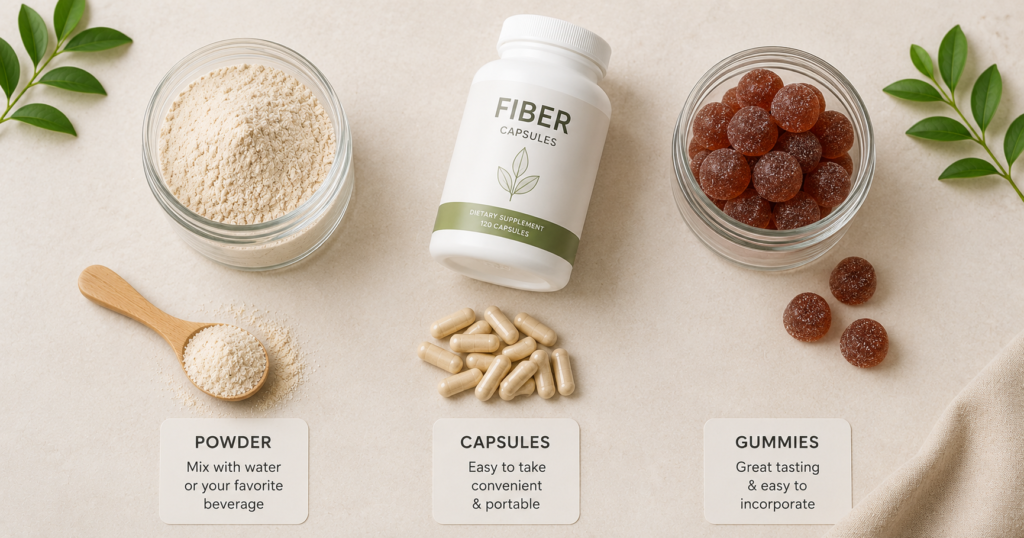
- Powders: These are versatile and can be added to smoothies or oatmeal. They generally provide a higher dose of fiber per serving compared to capsules.
- Capsules: Perfect for those on the go. However, you may need to take several capsules to reach the same fiber content found in a single tablespoon of powder.
- Gummies: While convenient and tasty, be sure to check for added sugars or artificial sweeteners that might counteract the health benefits.
How to Choose the Best Fiber Supplements for Gut Health
nChoose fiber by the problem you are trying to solve. Psyllium, methylcellulose, inulin and other fibers behave differently. Start gradually, drink enough fluid, and remember that food-first fiber still matters.
| Main goal | Option to compare | Trade-off to know |
|---|---|---|
| Regularity / constipation | Psyllium or another bulk-forming fiber | Needs adequate fluid and may cause gas if increased too quickly. |
| Sensitive to fermentable fibers | Methylcellulose may be worth comparing | Less fermentable does not mean it is automatically best for everyone. |
| Prebiotic / microbiome focus | Inulin, FOS or mixed fermentable fibers | Can increase gas or bloating in some people. |
| Convenience | Capsules or gummies | Often provide less fiber per serving; check added sugars and serving size. |
Consider these factors when comparing options: your main goal (regularity or cholesterol support), sensitivity to bloating, and format preference (powder or capsule). If you are just starting your wellness journey, check out our guide on vitamins and supplements for beginners. It’s also important to look for “clean” labels—supplements free from artificial colors, flavors, and excessive fillers. The best fiber supplements for gut health should support your body without introducing unnecessary chemicals.
Tips for Long-Term Success
Consistency is key. Fiber supplements work best when taken at the same time every day. Additionally, don’t rely solely on supplements. Aim to include plenty of whole foods like lentils, beans, berries, and leafy greens in your diet. This combination of supplemental and dietary fiber provides a wide spectrum of nutrients that your body needs to thrive. Remember, supplements are meant to fill gaps, not replace a diverse and nutrient-dense diet.
Conclusion
With fiber supplements trending upward, from classic psyllium to newer bioactive blends, there’s never been a better time to find the right option for your gut health goals. Fiber is a foundational nutrient, but a supplement is a tool for filling a gap rather than a shortcut for every digestive or weight-related concern. By choosing the best fiber supplements for gut health and pairing them with a healthy lifestyle, you are setting yourself up for long-term vitality. Start simple, stay consistent, and pay attention to how your body responds as you embark on this journey toward better health.
Frequently Asked Questions
What is the best fiber supplement for beginners? Psyllium husk is generally considered the most beginner-friendly option, since it’s widely available and well-studied. Can fiber supplements cause bloating? Yes, especially if introduced too quickly. Always start with a small dose. How much water should I drink? There is no one water target for everyone, but fiber works better with adequate fluids. The NIDDK advises adding fiber gradually and drinking enough liquids to help it work properly. Can I take fiber with other medications? It is always best to consult with a healthcare professional, as fiber can sometimes interfere with the absorption of certain drugs.
Compare probiotics or review food and lifestyle basics for digestion.