Simple, science-backed habits to boost digestion, reduce bloating, and support long-term gut health
If you are searching for how to improve your digestive system naturally, you may be dealing with bloating, constipation, gas, irregular bowel movements or simply the feeling that meals are not sitting well. Those symptoms can come from many different causes, so the most useful approach is to start with simple habits, track patterns and know when symptoms deserve medical attention.
nnStart with the basics: enough fiber for your diet, adequate fluids, regular meals, slower eating, movement and attention to foods that consistently trigger symptoms. Do not assume every digestive symptom is a “bad microbiome.”
| What you notice | Useful first question | Possible next step |
|---|---|---|
| Constipation | Did fiber or fluid intake recently change? | Increase fiber gradually and drink enough fluid; review medications if relevant. |
| Bloating after certain foods | Is there a repeatable trigger? | Keep a short food-and-symptom log instead of cutting many foods at once. |
| Gas after adding fiber | Did you increase the amount too quickly? | Reduce the jump and increase more gradually. |
| Persistent pain, bleeding or unexplained weight loss | Is this more than routine digestive discomfort? | Seek medical evaluation rather than relying on supplements. |
In this guide, you will find practical ways to support digestion without treating every symptom as proof that you need a supplement.
In this guide, you’ll find simple, natural ways to support your gut, ease bloating, and feel lighter every day. Understanding how to improve your digestive system naturally is the first step.
Why Digestive Health Matters More Than You Think
Your gut isn’t just about digestion. It’s home to trillions of bacteria that influence everything from mood to immunity. When your gut is out of balance, you might notice bloating, fatigue, skin issues, or even trouble concentrating. This is why knowing how to improve your digestive system naturally is vital.
Learning how to improve your digestive system naturally starts with understanding that small daily choices add up over time. Every meal is an opportunity to practice how to improve your digestive system naturally.
Signs Your Gut Needs Support
- Frequent bloating or gas after meals
- Irregular bowel movements
- Constant tiredness, even after sleeping well
- Food sensitivities that seem to be increasing
- Skin breakouts with no clear cause
These symptoms are common but nonspecific. A pattern matters more than a checklist, and persistent symptoms should be evaluated rather than self-diagnosed as a gut imbalance.
Eat More Fiber-Rich Foods
Fiber feeds the good bacteria in your gut and keeps digestion moving smoothly. According to the Mayo Clinic, a high-fiber diet is a cornerstone of how to improve your digestive system naturally.
Best Sources of Fiber
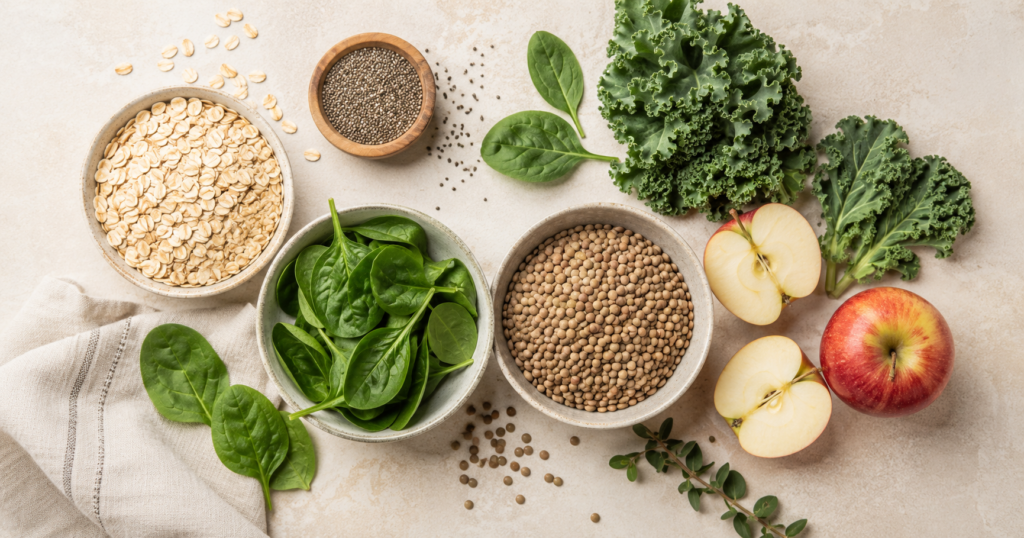
- Leafy greens like spinach and kale
- Whole grains such as oats and brown rice
- Legumes, including lentils and chickpeas
- Fruits with edible skin, like apples and pears
Start by adding one fiber-rich food to each meal rather than overhauling your whole diet at once — your gut adjusts better to gradual change. This is a practical way of how to improve your digestive system naturally.
Add Fermented Foods to Your Routine

Fermented foods introduce live probiotics that help balance your gut microbiome naturally. Research from Harvard Health highlights this as a key method for how to improve your digestive system naturally.
Easy Options to Try
- Plain yogurt with live cultures
- Sauerkraut or kimchi
- Kefir
- Miso
If you tolerate fermented foods, add them in portions that fit your diet. Not every fermented food contains a probiotic strain with proven health effects, so food variety matters more than treating one item like medicine.
Stay Consistently Hydrated
Water helps break down food and keeps things moving through your digestive tract. Without enough of it, bloating and constipation become far more common. If you’re unsure how much you actually need, this guide explains the basics. Hydration is essential for how to improve your digestive system naturally.
Slow Down When You Eat
Eating too quickly is one of the most overlooked causes of poor digestion. When you rush meals, you swallow more air and give your stomach less time to signal fullness. Mindful eating is a great way of how to improve your digestive system naturally.
Simple Ways to Eat Slower
- Put your fork down between bites
- Chew each bite thoroughly before swallowing
- Avoid eating while distracted by screens
- Aim for at least 20 minutes per meal
Manage Stress for a Healthier Gut
Your gut and brain are directly connected through what’s known as the gut-brain axis. Chronic stress can slow digestion, increase inflammation, and disrupt healthy bacteria. If tension is affecting more than just your digestion, this article explains the connection. Managing stress is a vital part of how to improve your digestive system naturally. Saiba mais em NIH Digestive Disorders.
Move Your Body Daily
Light physical activity, even a short walk after meals, helps stimulate digestion and reduce bloating. You don’t need intense workouts — consistency matters more than intensity here. See practical training ideas. This is a powerful strategy for how to improve your digestive system naturally.

Limit Processed Foods and Added Sugar
Processed foods and excess sugar feed harmful bacteria and can throw off your gut balance over time. Cutting back gradually, rather than all at once, tends to stick better long-term. If sugar cravings are part of the challenge, see practical strategies. This is a key pillar of how to improve your digestive system naturally.
Daily Routine for Better Digestion
- Start your morning with a glass of water before eating
- Add one fiber-rich food to breakfast
- Include a small serving of fermented food with lunch or dinner
- Take a 10-15 minute walk after your main meal
- Wind down in the evening with deep breathing to lower stress
Conclusion
Learning how to improve your digestive system naturally doesn’t require perfection — it requires consistency. Small habits like eating more fiber, staying hydrated, managing stress, and slowing down at mealtimes can make a real difference in how you feel every day. For more tips, check out our anti-inflammatory diet for beginners guide. Now you know how to improve your digestive system naturally.
Frequently Asked Questions
How long does it take to improve digestion naturally? There is no universal timeline. Some habits change stool regularity quickly, while other symptoms may persist because the cause is unrelated to fiber, hydration or the microbiome.
What foods should I avoid for better digestion? Highly processed foods, fried foods, excess added sugar, and artificial sweeteners are common triggers for bloating and digestive discomfort.
Can stress really affect digestion? Yes. The gut and brain are closely connected, as explained by the National Institutes of Health (NIH). Chronic stress can slow digestion and increase inflammation.
Do I need supplements to improve gut health? Not necessarily. Whole foods like fiber-rich vegetables and fermented foods can meaningfully support gut health without supplements for most people.
What’s the first step to improving digestion naturally? Start by identifying your main symptom and one or two realistic basics to improve, such as fiber, fluids, meal pace or movement. Change gradually so you can tell what actually helps.
If your next question is supplements, compare fiber options and probiotic labels before buying.