 |
Water is the most essential nutrient your body needs — yet most people walk around chronically under-hydrated without even realizing it. Knowing how much water you really need is a more important question than most people think: mild dehydration can cause fatigue, headaches, brain fog, and poor digestion. If you’re also working on your diet, learning how to stop sugar cravings can be significantly easier when you are properly hydrated.
Proper hydration is one of the simplest, most accessible health habits available to everyone. Yet it’s also one of the most misunderstood. How much water you really need depends on various factors like activity level and climate. This guide provides a science-informed approach to staying healthy. For those focused on overall wellness, our guide on how to boost your immune system naturally is a perfect companion to this hydration guide.
The Science Behind How Much Water You Really Need
Your body is approximately 60% water. Every system in your body depends on adequate hydration to function properly. When you understand how much water you really need, you support brain function, joint lubrication, and heart health. If you are starting a new health journey, you might also find our vitamins and supplements for beginners guide helpful.
Water acts as a building block for cells, a solvent for chemical reactions, and a transport medium for nutrients and oxygen. Without enough fluid, your blood volume drops, forcing your heart to work harder to circulate oxygen. This is why determining how much water you really need is critical for cardiovascular efficiency and preventing premature fatigue during daily tasks. Furthermore, water is essential for the detoxification process, helping your kidneys flush out waste products that can otherwise lead to inflammation and sluggishness.
Daily Guidelines: Factors Influencing How Much Water You Really Need
You’ve probably heard the “8 glasses a day” rule — but the reality is more nuanced. Individual needs vary based on body size and activity level. Determining how much water you really need involves listening to your body’s signals, such as urine color and energy levels. For instance, athletes or those living in humid climates will require significantly more than the average baseline to compensate for sweat loss.
Metabolism also plays a role. Water is required for the metabolic processes that burn calories. If you are dehydrated, your metabolic rate may slow down, making weight management more difficult. By calculating how much water you really need based on your weight (roughly 30-35ml per kilogram), you can ensure your metabolism is running optimally. Additionally, the thermic effect of water—the energy used to heat cold water to body temperature—can provide a slight boost to your daily calorie burn.

Advanced Hydration Strategies: Beyond Plain Water
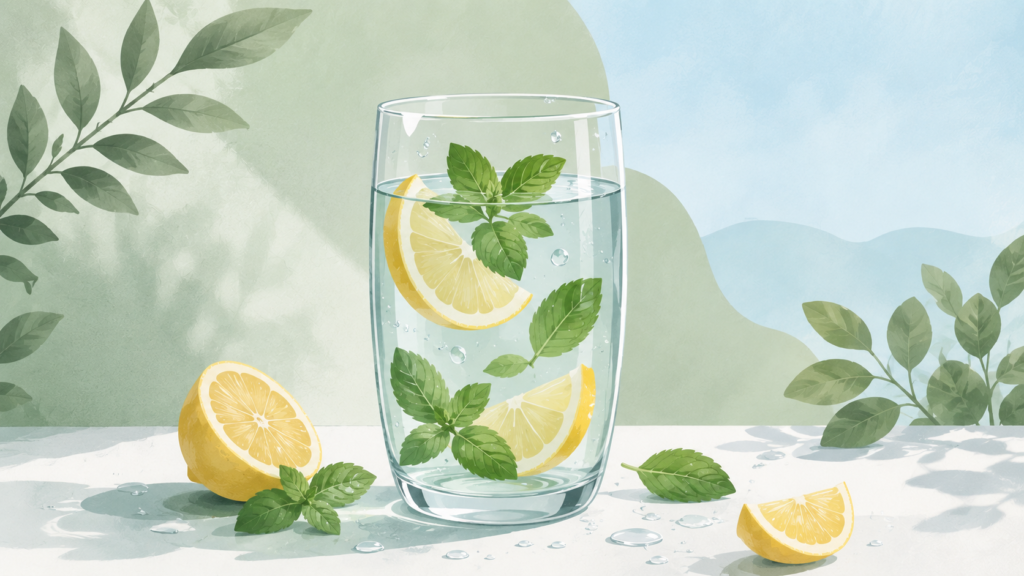
While plain water is the gold standard, your overall fluid intake can come from various sources. Understanding how much water you really need also means looking at your plate. Water-rich foods like cucumbers, celery, and leafy greens contribute significantly to your hydration levels while providing essential fiber. For those who find plain water unappealing, infusing it with lemon, mint, or ginger can make reaching your daily goals much more enjoyable.
Electrolytes are another crucial piece of the puzzle. Sodium, potassium, and magnesium help regulate fluid balance at the cellular level. If you drink massive amounts of water without adequate electrolytes, you risk diluting your body’s mineral balance. This is a common mistake when people first try to figure out how much water you really need. Including a pinch of sea salt or eating a banana can help maintain this delicate balance, especially after intense exercise.
Practical Habits to Meet Your Daily Water Goals
Meeting your goals for how much water you really need doesn’t have to be difficult. Start your morning with a glass of water, carry a reusable bottle, and eat water-rich foods like cucumber and watermelon. By following these steps, you’ll master how much water you really need to feel your best every day. Consistency is the key to reaping the long-term benefits of proper hydration, such as clearer skin and improved cognitive function.
In conclusion, staying hydrated is a powerful way to improve your well-being. Once you know how much water you really need, you can take control of your energy and health. For those looking to stay active as they age, don’t miss our tips on strength training after 35. Remember, your body is a high-performance machine, and water is the fuel that keeps every gear turning smoothly.