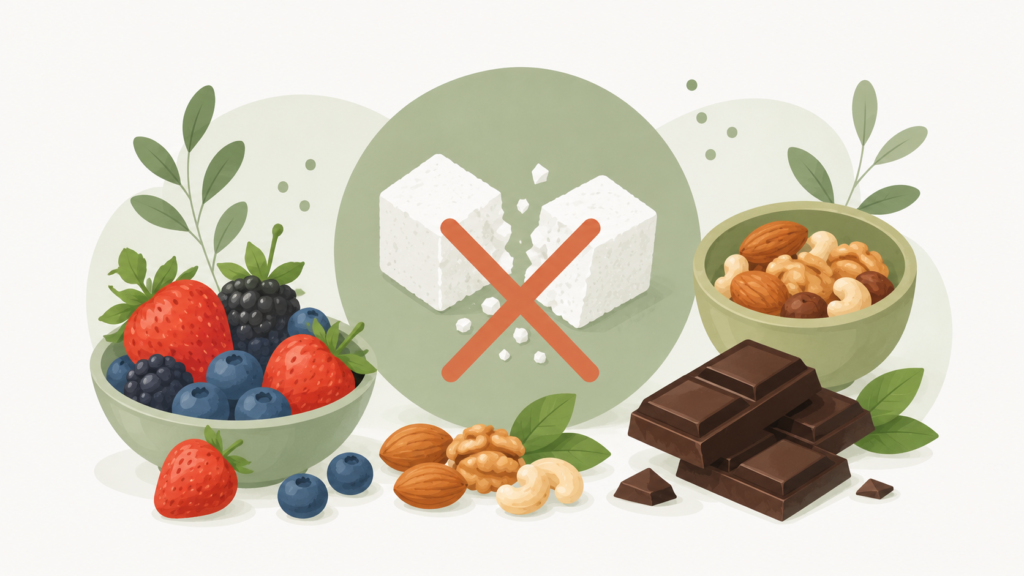

If you’re wondering how to stop sugar cravings for good, you’re dealing with one of the most common obstacles people face when trying to eat healthier. You might eat a balanced meal and feel satisfied — only to find yourself desperately wanting something sweet an hour later. Learning to manage these urges is essential for long-term health.
If this sounds familiar, you’re not alone. Sugar affects the brain in ways that make intense desires for sweets feel genuinely difficult to resist. But with the right understanding, you can stabilize your energy and build a healthier relationship with food. If you are also looking to optimize your nutrition, check out our guide on vitamins and supplements for beginners.
Understanding Why These Cravings Happen
Understanding why your brain wants sugar is the first step to managing it. When you eat sweets, your brain releases dopamine. This reward signal is why it’s so hard to break the cycle without a plan. For those focused on physical performance, our guide on strength training after 35 shows how nutrition fuels your body.
Beyond dopamine, the blood sugar rollercoaster is a major culprit. When you consume refined carbs, your glucose levels spike and then crash. This crash sends a signal to your brain that you need “quick energy,” which usually manifests as a desire for more sugar. Breaking this cycle requires stabilizing your insulin response through whole foods.
Practical Strategies to Reduce Sweet Urges Fast
One of the best ways to learn how to stop sugar cravings is to identify hidden sources in your diet. Sweeteners hide in flavored yogurts, cereals, and even bread. By cutting these out, you are well on your way to reclaiming your palate.
The Power of Protein and Healthy Fats
Protein and fat are your best allies. Unlike carbohydrates, they take longer to digest and do not cause rapid insulin spikes. Including a source of protein like eggs, chicken, or legumes at every meal keeps you full and reduces the likelihood of reaching for a snack later in the day. Healthy fats from avocados, nuts, and olive oil also provide a sense of satiety that sugar simply cannot match.
Hydration and Its Role in Appetite
Often, our brains confuse thirst with hunger. If you find yourself wanting something sweet, try drinking a large glass of water first. Dehydration can lead to fatigue, which the brain often tries to “fix” by requesting a quick sugar hit. Staying hydrated throughout the day is a simple but effective tactic in your wellness journey.

Step-by-Step: Long-Term Success Strategies
Stabilizing your blood sugar is the most effective long-term strategy for how to stop sugar cravings. Build each meal around protein, healthy fats, and fiber. This combination prevents the crashes that trigger the need for quick fixes. Don’t forget that recovery is vital; see the best sleep gadgets and tools to help regulate your hormones.
Improving Sleep Quality
Lack of sleep increases ghrelin (the hunger hormone) and decreases leptin (the fullness hormone). When you are tired, your brain’s executive function is impaired, making it much harder to say no to treats. Prioritizing 7-9 hours of rest is a foundational step in any plan to reduce sugar dependency.
Managing Stress Levels
Stress triggers the release of cortisol, which can increase appetite and specifically drive cravings for “comfort foods” high in sugar and fat. Finding non-food ways to manage stress, such as walking, meditation, or reading, can help break the emotional connection to sweets.
In conclusion, how to stop sugar cravings is a journey that involves more than just willpower. By focusing on nutrient-dense meals, proper rest, and stress management, you can successfully break free. Small, consistent changes are the key to a healthier, more energetic version of yourself.