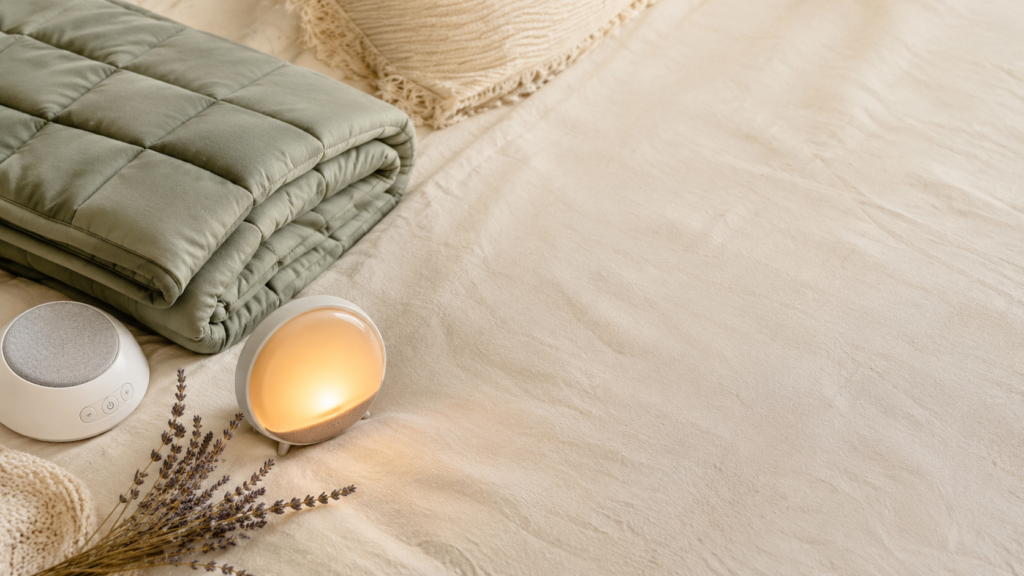

If you’ve ever laid awake at 2 AM scrolling your phone, wondering why your body just won’t shut off — you’re not alone. Millions of people struggle with falling asleep, staying asleep, or waking up still exhausted. The good news? You don’t need prescription medication to fix most sleep issues. Sometimes, using the best sleep gadgets and tools and small environmental changes make all the difference.
In this guide, we’re breaking down top-rated devices that actually work — no gimmicks, no wishful thinking, just practical products backed by how sleep science actually functions. When you integrate these solutions into your nightly routine, you signal to your brain that it is time to rest.
Why Your Environment Matters for Quality Rest
Before we get to the devices, it’s worth understanding why they work. Sleep quality is heavily influenced by four environmental factors: light, sound, temperature, and pressure. Your brain uses these cues to determine whether it’s safe and appropriate to enter deep sleep. When any of these are off — too much light, disruptive noise, a room that’s too warm — your nervous system stays partially alert, even if you don’t consciously notice it.
That’s exactly where the best sleep gadgets and tools come in: they help correct these environmental signals so your body can do what it’s naturally designed to do. Finding the right gear for your specific needs can transform your health. For those also managing hormonal transitions, our guide on perimenopause symptoms highlights how environmental control is crucial.
1. White Noise Machines: Noise Control Solutions
One of the most common sleep disruptors isn’t loud noise — it’s inconsistent noise. A car passing, a neighbor’s door closing, a partner shifting in bed. These small unpredictable sounds pull your brain out of deep sleep cycles without fully waking you. White noise machines are effective because they create a steady, unchanging sound layer that masks these disruptions.
What to look for in sound technology:
- Adjustable volume and multiple sound options
- Timer function (some prefer sound all night, others just to fall asleep)
- Compact size for travel
2. Weighted Blankets: Deep Pressure Stimulation
Weighted blankets have gone from niche therapy tool to mainstream bedroom staple, and for good reason. They work through a principle called Deep Pressure Stimulation (DPS) — gentle, even pressure across the body that has been shown to help lower cortisol levels and increase feelings of calm. This makes them excellent options for people who deal with racing thoughts or mild anxiety at bedtime.
What to look for:
- Weight should be roughly 10% of your body weight
- Breathable fabric (glass beads distribute weight better than plastic pellets)
- Removable, washable cover
3. Blackout Curtains or Sleep Masks: Light Control
Even small amounts of light — a streetlight through the curtains, a phone charger LED — can interfere with melatonin production. The best sleep gadgets and tools for light control ensure your room stays pitch black. Your skin actually has light-sensitive receptors that can detect light even through closed eyelids, which is why these are vital for sensitive sleepers.
4. Cooling Pillows and Mattress Toppers: Temperature Regulation
Your core body temperature naturally drops as you prepare for sleep. If your bedding traps heat, it works against this natural process. Cooling accessories use gel-infused memory foam or breathable latex to keep you comfortable. Investing in temperature-regulating gear is essential for deep sleep. You might also find that personalized vitamins like magnesium can help regulate body temperature naturally.
5. Sleep Trackers: Understanding Your Own Patterns
You can’t improve what you don’t measure. Sleep trackers — whether a smart ring, wristband, or under-mattress sensor — are helpful for understanding your own patterns. This turns guesswork into an actual improvement plan. Using data to track your progress allows for precision in your recovery.
6. Red Light Alarm Clocks: Waking Up Gently
Traditional alarms rely on sudden loud sound, which spikes cortisol. Sunrise-simulation alarm clocks are great for waking up without the shock. They gradually increase light to wake your body more gently, mimicking a natural sunrise. These are widely considered effective for maintaining a healthy circadian rhythm.
Building Your Toolkit for Better Sleep
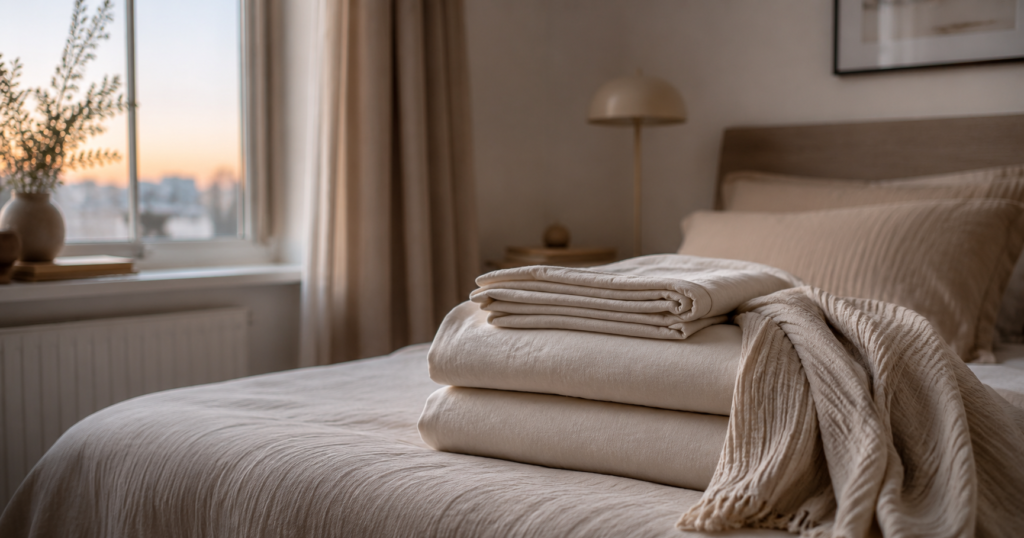
You don’t need to buy everything at once. If you’re just getting started, prioritize light and sound control first. No gadget replaces a consistent schedule, but the best sleep gadgets and tools remove the physical obstacles standing between you and consistently good sleep.