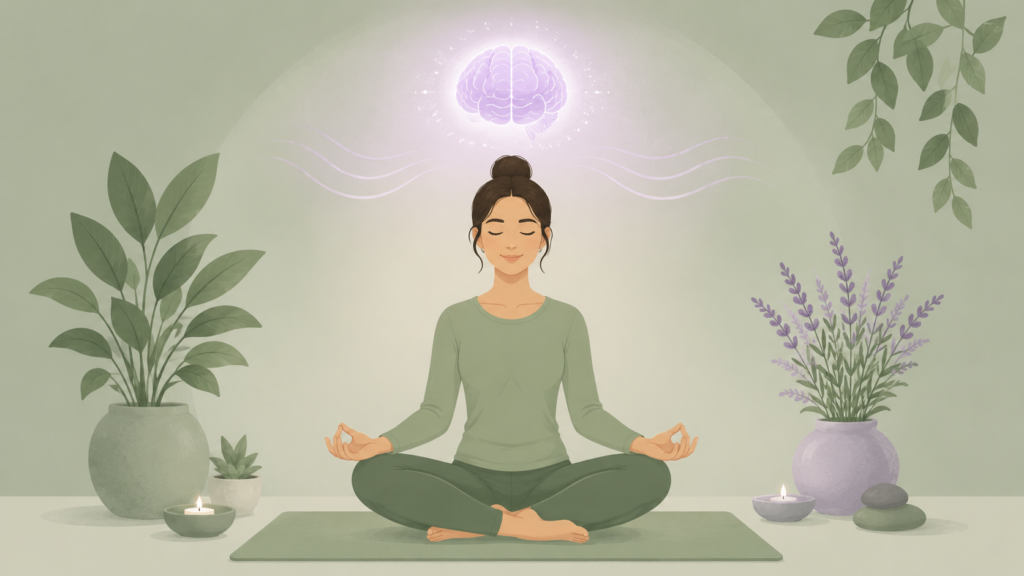

Everyone experiences tension, but understanding how stress affects your body is the first step to taking back control. While occasional pressure is normal, chronic stress is a major threat to long-term health. If you are also focused on physical health, our guide on strength training after 35 explains how physical resilience helps manage mental strain. Learning about these physiological impacts allows you to implement better self-care routines.
At the center of your stress response is cortisol. Knowing the way your system reacts through hormonal changes can help you improve your sleep and digestion. For more wellness tips, check out our article on how to boost your immune system naturally, as tension management is a key pillar of immunity. When you master your internal balance, you unlock better energy levels.
The Biological Reality of How Stress Affects Your Body
Your body responds to threats by releasing cortisol. This biological mechanism, often called the “fight-or-flight” response, was originally designed to protect us from physical predators. However, in the modern world, this same response is triggered by work deadlines, financial worries, and social media notifications. When this system stays “on” for too long, it leads to systemic exhaustion.
If you’re struggling with diet during high-pressure times, learning how to stop sugar cravings is essential, as cortisol often triggers a desire for sweets. This is a primary example of how stress affects your body and your eating habits. Chronic elevation of stress hormones can also lead to insulin resistance, making it harder for your body to process carbohydrates efficiently.
Signs and Symptoms: Identifying the Impact
High cortisol levels can lead to fatigue, weight gain, and brain fog. Recognizing these symptoms is vital for long-term health. Beyond the obvious mental strain, you might notice physical signs like a tight jaw, shallow breathing, or persistent muscle tension in the shoulders and neck. These are the physical manifestations of a nervous system that hasn’t had the chance to reset.
If you find your sleep is suffering, exploring the best sleep gadgets and tools can help counteract these nocturnal disruptions. Proper hydration is also key; read about how much water you really need to support your system. Dehydration itself acts as a physical stressor, creating a vicious cycle that further elevates cortisol levels.

10 Proven Strategies to Manage Your Internal Balance
Lowering cortisol naturally is possible through sleep, exercise, and mindfulness. By addressing how stress affects your body through these 10 ways, you can regain balance. One of the most effective methods is “Forest Bathing” or simply spending time in nature, which has been scientifically proven to lower heart rate and blood pressure within minutes.
Additionally, your diet plays a massive role. Consuming anti-inflammatory foods like fatty fish, walnuts, and berries can help mitigate the oxidative damage caused by chronic tension. If you are a beginner looking for extra support, our vitamins and supplements for beginners guide covers adaptogens like Ashwagandha, which are specifically known to help the body adapt to external pressures.
The Long-Term Consequences of Neglect
If left unmanaged, the way your system handles pressure can lead to more serious conditions. Chronic inflammation is the root of many modern diseases, and stress is a primary driver of that inflammation. It can affect your cardiovascular health, weaken your bone density, and even accelerate the aging process at a cellular level by shortening telomeres.
However, the good news is that the body is remarkably resilient. By implementing daily “micro-recoveries”—small 5-minute breaks where you focus on deep belly breathing or stretching—you can signal to your brain that the threat has passed. This allows your cortisol levels to drop and your “rest and digest” system to take over, promoting healing and cellular repair.
In conclusion, while life will always have its challenges, you have the tools to control how stress affects your body. By making intentional choices regarding your environment, nutrition, and mental habits, you move from a state of constant alert to true recovery. Understanding these mechanisms is the ultimate power move for your long-term health and vitality.