Everything You Need to Know About Bioactive Fiber Supplements for Gut Health
If you keep seeing the phrase bioactive fiber supplement and wondering whether it is meaningfully different from psyllium, inulin or ordinary dietary fiber, you are asking the right question. “Bioactive” on the front of a package does not tell you enough by itself. The useful information is the actual fiber source, grams per serving, fermentability and added ingredients.
This guide explains exactly what makes these supplements unique, how they differ from regular fiber, and how to decide if one is right for your gut health goals.
Treat “bioactive fiber” as a label to investigate, not a guarantee of superiority. Turn the package around and identify the actual fibers, total grams per serving, sweeteners, prebiotics and directions.
| Label says | Ask this instead |
|---|---|
| “Bioactive blend” | Which exact fibers are in it, and how many grams are in a serving? |
| “Prebiotic” | Which fermentable ingredient is used, and does it tend to bother you? |
| “Gut health” | Is your actual goal regularity, stool consistency, fiber intake or microbiome support? |
| “Advanced formula” | What does it add beyond a simpler fiber, and is that useful for your goal? |
What Are Bioactive Fiber Supplements
“Bioactive fiber” is a marketing term rather than a single standardized type of fiber. Products using the label may contain one or more fiber sources, sometimes alongside fermentable or prebiotic ingredients. The ingredient list and grams of fiber per serving matter more than the word “bioactive” on the front of the package.
Different fibers behave differently in the digestive tract. Some mainly add bulk, while some fermentable fibers can be used by gut microbes. That is why it is better to evaluate the specific fiber ingredients and your goal—such as regularity, stool consistency or increasing overall fiber intake—rather than assuming every “bioactive” formula works the same way.
Why Bioactive Fiber Supplements Are Trending
Interest in gut health has made many new fiber blends easier to find, but the evidence belongs to the ingredients, not to the marketing phrase on the front of the tub.
A better buying approach is to compare the formula with a simpler option and ask whether the extra ingredients solve a real problem for you.
How Bioactive Fiber Supplements Differ from Regular Fiber
Multiple Fiber Sources
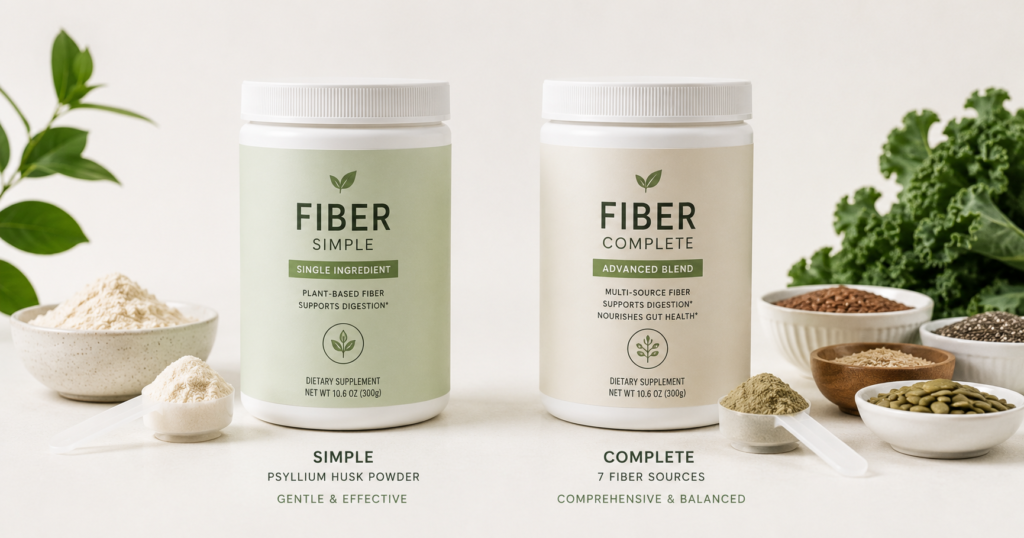
Where a basic supplement might rely on a single fiber type, such as psyllium husk, this kind of formula often blends several sources together, targeting different parts of the digestive process.
Prebiotic Components
Many of these formulas include prebiotic ingredients specifically chosen to feed beneficial bacteria strains, working similarly to how probiotics and prebiotics support each other in a complete gut health routine.
Digestive Comfort Focus
Tolerance depends on the individual fibers. Some fermentable prebiotic fibers can increase gas or bloating, especially when the dose rises quickly.
Who Should Consider a Bioactive Fiber Supplement
This type of formula may be worth exploring if you:
- Already take a basic fiber supplement and want a more complete gut health formula
- Want to compare a mixed formula after identifying which simpler fibers you tolerate well
- Are looking to support gut bacteria diversity, not just regularity
- Want a fiber product that pairs well with a probiotic routine
If you’re just starting out with fiber, a simpler option like psyllium may still be the better starting point before moving to something more advanced.
How to Choose the Right Bioactive Fiber Supplement
Check the Ingredient List
Look for a bioactive fiber supplement that clearly lists its fiber sources and any added prebiotic ingredients, rather than a vague “proprietary blend.”
Start with a Lower Dose
As with any fiber supplement, start with a smaller amount and increase gradually over one to two weeks to allow your digestive system to adjust comfortably.
Consider Your Current Routine
If you already take a probiotic, choosing a bioactive fiber supplement with complementary prebiotic ingredients can create a more complete gut health approach overall.
Tips for Adding Bioactive Fiber to Your Routine
- Introduce it gradually and follow the serving directions on the label. nnn
- Drink enough fluids throughout the day, especially with bulk-forming fibers. nnn
- Take it consistently if it fits your routine and you tolerate it well. nnn
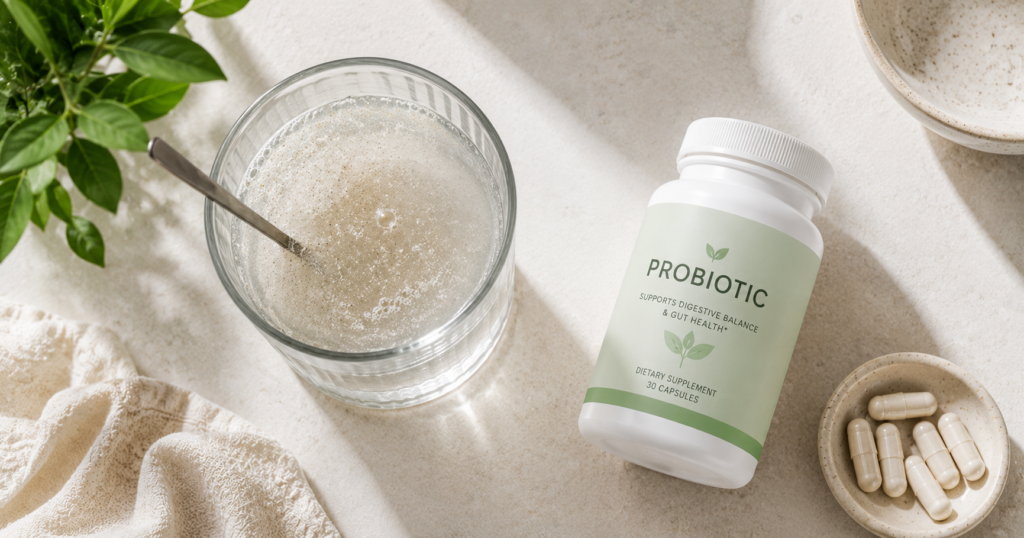
- If you also use a probiotic supplement, check the ingredients rather than assuming every fiber-probiotic combination has the same effect. nnn
- Speak with a healthcare professional before starting if you have a digestive condition, significant symptoms or take medications that may be affected by changes in fiber intake.
Bioactive Fiber Drinks vs Powders: What Actually Matters
If you are searching for a bioactive fiber drink, the format matters less than the label details. A drink mix can be convenient, but the useful questions are still the same: which fibers are included, how many grams of fiber you get per serving, whether the formula contains fermentable prebiotics, and how much added sugar or sweetener it uses.
Powders mixed with water can make it easier to adjust serving size, while ready-to-drink products may be simpler when you are away from home. Neither format is automatically better for gut health. Compare the actual fiber sources and serving size rather than choosing a product only because the front label says “bioactive.”
If you are new to supplemental fiber, increase intake gradually and drink enough fluids. A sudden jump in fiber can cause temporary gas or bloating for some people. If you have persistent digestive symptoms or a gastrointestinal condition, talk with a qualified healthcare professional before making a major change.
Conclusion
Bioactive fiber supplements can vary widely, so the label matters more than the category name. Compare the actual fiber sources, grams per serving, added prebiotic ingredients, sweeteners and serving directions with simpler options such as psyllium before deciding what fits your goal.
Whether you are starting a fiber routine or comparing products, choosing based on ingredients, tolerance and your specific goal is more useful than choosing based on marketing language alone.
Frequently Asked Questions
What makes a fiber supplement “bioactive”? A bioactive fiber supplement is formulated to interact directly with gut bacteria, often combining multiple fiber sources with prebiotic ingredients rather than relying on a single fiber type.
Are bioactive fiber supplements better than psyllium? Not necessarily better, but different. A bioactive fiber supplement often offers a more complete approach to gut health, while psyllium remains a simple, well-studied starting point.
Can I take a bioactive fiber supplement with probiotics? Some people use fiber and probiotic supplements together, but the combination depends on the specific ingredients. Certain fermentable fibers can serve as substrates for gut microbes, while other fibers mainly add bulk. Check both labels and consider professional advice if you have digestive symptoms or a medical condition.
How long does it take to notice results from bioactive fiber supplements? There is no universal timeline. Changes depend on the type and amount of fiber, your baseline diet and the specific outcome you are tracking.
Do bioactive fiber supplements cause bloating? Some people experience mild bloating when starting any fiber supplement. Introducing it gradually and drinking enough water typically minimizes this effect.
Start with the broader fiber comparison guide and compare probiotics separately.