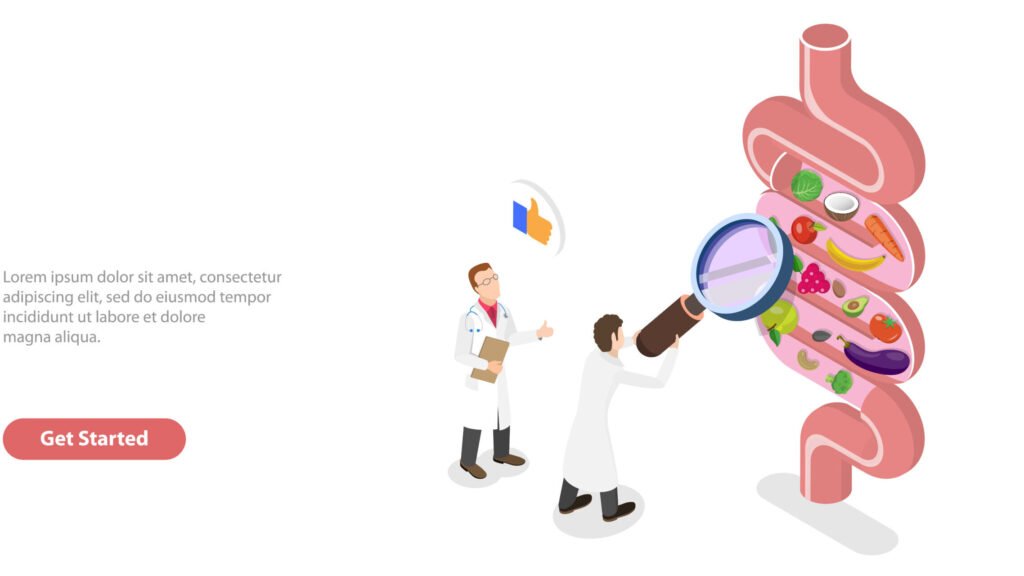
The gut-brain connection explains something a lot of people intuitively already sense: what happens in your digestive system doesn’t stay in your digestive system. For years, gut health advice basically boiled down to “take a probiotic and hope for the best.” That’s finally starting to change, and honestly, it’s about time — because the more research comes out on this connection, the clearer the picture becomes.
What the gut-brain connection actually is
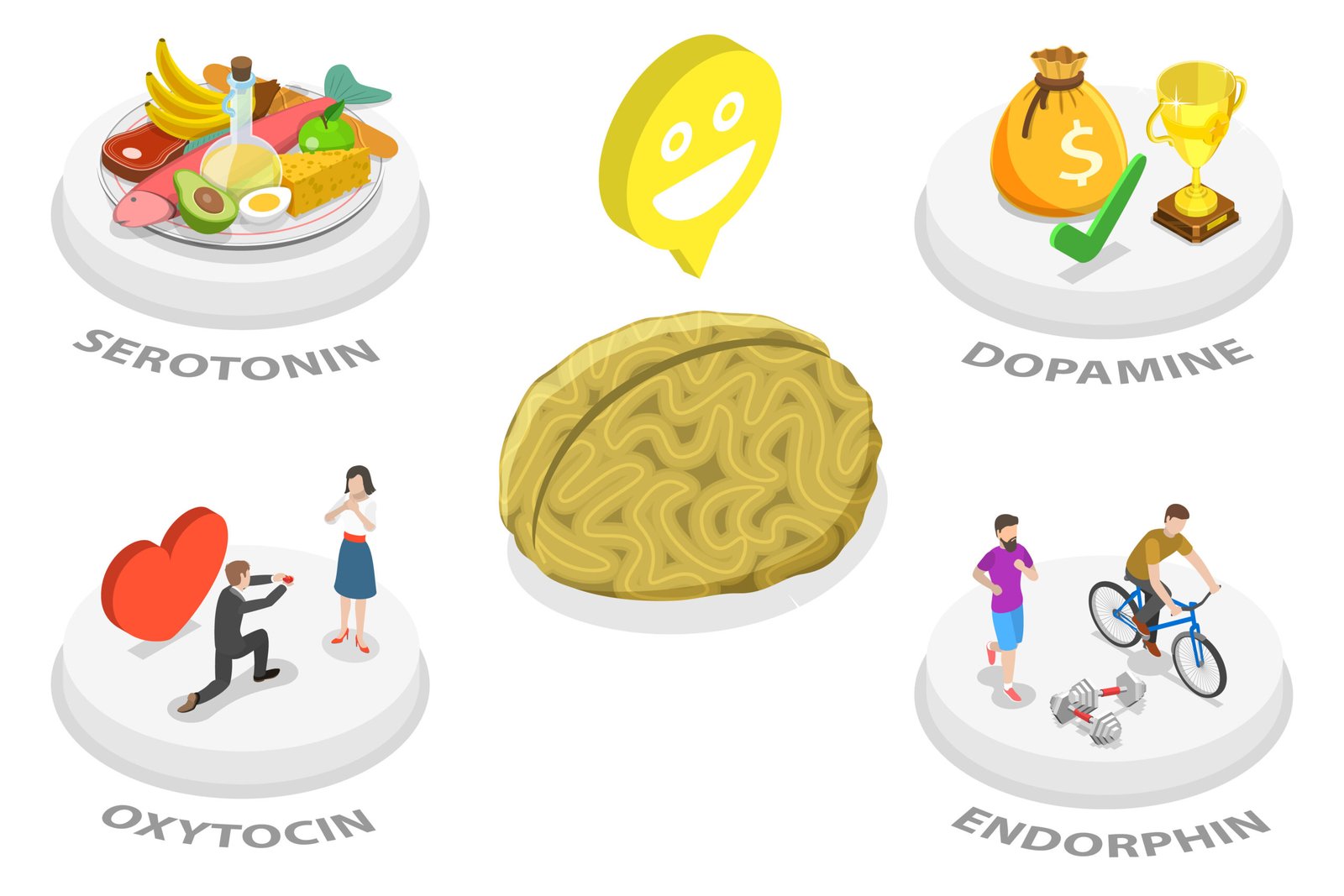
The gut-brain axis is the two-way communication network linking your central nervous system to your gastrointestinal tract. It’s easy to think of digestion and mood as unrelated systems, but they’re in constant contact — your gut contains millions of neurons and is responsible for producing a significant portion of the body’s serotonin, the neurotransmitter most associated with mood regulation, according to research summarized by the Johns Hopkins Medicine gut-brain connection overview. That’s not a small detail. It’s part of why gut health conversations have started expanding well beyond digestion alone, into mood, stress response, and cognitive clarity.
How the gut affects mood and stress
The connection runs largely through the vagus nerve, which links the gut directly to the brain and carries signals in both directions. A balanced, diverse gut microbiome supports this communication; an imbalanced one can disrupt it. Research increasingly points to gut health playing a role in anxiety levels, stress resilience, and even cognitive clarity — which is a big part of why “gut health” has moved from a niche digestive topic into a mainstream wellness conversation.
This doesn’t mean gut health is the sole driver of mood or stress — it isn’t, and treating it that way oversimplifies a genuinely complex system. But it is a meaningfully larger piece of the picture than it was treated as even a few years ago.
What actually supports a healthy gut microbiome

Fiber and whole foods
A diet rich in fiber and whole, minimally processed foods is one of the most consistently supported ways to support a healthy gut microbiome. Fiber feeds the beneficial bacteria in your gut, and a more diverse diet tends to support a more diverse microbiome — which is generally associated with better overall gut function.

Fermented foods
Foods like yogurt, kefir, sauerkraut, and kimchi introduce beneficial bacteria directly. They’re not a replacement for a generally balanced diet, but they’re a reasonable and accessible addition for most people looking to support gut diversity.
Reducing chronic stress
Because the gut-brain axis runs in both directions, chronic stress doesn’t just affect your mood — it can also disrupt gut function over time. Managing stress through sleep, movement, or nervous system regulation practices isn’t just good for your head; it circles back to supporting gut health too.
Being cautious with unnecessary restriction
One thing worth being aware of: overly restrictive diets, especially ones that eliminate entire food groups without a clear medical reason, can actually reduce microbiome diversity rather than improve it. More restriction isn’t automatically better for gut health — variety generally serves the microbiome better than elimination.
A note on supplements
Probiotic supplements can play a role, but they’re not a one-size-fits-all fix, and the research on which specific strains help with which specific issues is still evolving. A supplement is more reasonably thought of as one piece of a broader approach — alongside diet and stress management — rather than a shortcut that replaces the rest.
The bigger picture on the gut-brain connection
The gut-brain connection means gut health isn’t a separate wellness category from mental and physical health — it’s genuinely intertwined with both. That’s really the shift happening in how this topic is talked about: less “take a probiotic and move on,” more “this is one connected system,” which is a more accurate — if slightly less tidy — way to think about it.
FAQ
How long does it take to notice changes from improving gut health?
This varies significantly by person, but many people report noticing digestive changes within a few weeks of consistent dietary changes; mood-related effects, if any, tend to take longer and are harder to isolate from other factors.
Do I need a probiotic supplement, or is diet enough?
For most people without a specific digestive condition, a fiber-rich, diverse diet is the foundation. Supplements can be a reasonable addition, but they work best alongside dietary habits, not instead of them.
Can stress alone cause digestive issues even with a good diet?
Yes — because the gut-brain axis runs in both directions, chronic stress can disrupt gut function even when diet is otherwise solid. Addressing both matters more than optimizing either one alone.
This article is for informational purposes only and is not medical advice. Consult a healthcare provider for concerns about digestive health or before making significant dietary changes.
How to use this information in a realistic routine
It helps to treat health and supplement decisions as part of a bigger routine rather than as a single quick fix. Start with the basics that apply to the topic, keep changes simple enough to repeat, and give yourself time to notice whether the routine is actually practical. If a product is involved, compare the label, serving size, ingredient amounts, allergens and cost per serving instead of relying only on front-label claims.
For symptoms that are persistent, severe, new or getting worse, a clinician can help rule out causes that a wellness article cannot diagnose. That is especially important when symptoms overlap with medication effects, hormonal changes, digestive conditions or other health concerns. The goal is not to chase every trend; it is to make a sensible decision with clear expectations.
A simple check before you change your routine
- What specific problem are you trying to solve?
- Is the change realistic enough to repeat for several weeks?
- Are there medications, allergies or medical conditions to consider?
- Can you measure progress without relying on exaggerated promises?
- Would food, sleep, movement or professional care matter more than a supplement?
What supports the gut-brain connection in real life?
There is no single food or supplement that can “fix” the gut-brain axis. A more useful approach is to support the basics that influence both digestion and stress: regular meals, enough fiber, adequate sleep, movement, and a routine that keeps digestive symptoms manageable. If a specific food repeatedly causes discomfort, note the pattern instead of forcing it because it is considered healthy.
Fermented foods may fit for some people, but they are optional. The goal is a varied, tolerable diet rather than chasing one probiotic strain or a perfect microbiome score.
When to seek help
Persistent abdominal pain, blood in stool, unexplained weight loss, severe anxiety, or symptoms that interfere with daily life deserve professional evaluation. Gut and mental-health symptoms can overlap with many conditions, so self-diagnosis has limits.
Keep the basics boring and repeatable
Gut health advice gets complicated fast, but the useful foundation is simple: eat a varied diet you tolerate, include fiber regularly, stay active, sleep consistently and avoid turning every digestive sensation into a supplement problem. If you introduce a new food or product, change one thing at a time so you can tell what actually helped.
The gut-brain connection is real, but it does not mean every mood change comes from the gut or every digestive symptom comes from stress. Both systems are complex, and persistent symptoms deserve appropriate evaluation.