
If you can finish a stressful day and still feel physically “on” hours later, the phrase nervous system regulation may sound like it explains everything. It is useful language, but it should not become a catch-all diagnosis for fatigue, anxiety, poor sleep or digestive symptoms.
Think of regulation as the ability to respond to stress and then recover. The practical tools are familiar: sleep, movement, slower breathing, body relaxation, social connection and reducing repeated overload.
| Situation | Try first |
|---|---|
| Stress spike right now | Longer exhale, brief movement, unclench jaw and shoulders. |
| Difficulty winding down | Create a real transition between work and evening. |
| Poor recovery most days | Review sleep, workload, caffeine, alcohol and activity. |
| Persistent anxiety, panic or insomnia | Talk with a qualified health professional rather than self-diagnosing “dysregulation.” |
What nervous system regulation actually means
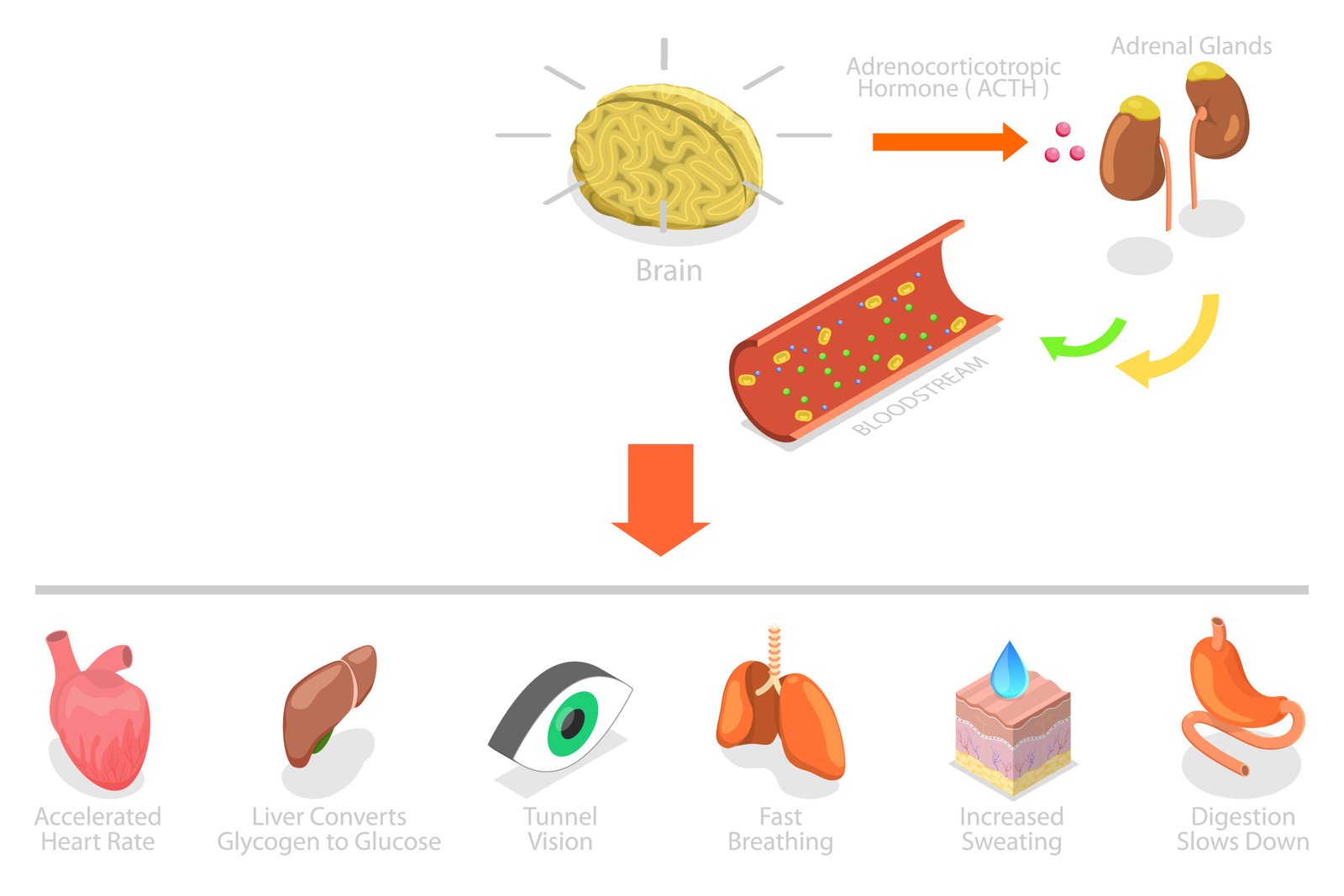
Your autonomic nervous system runs on two main modes: the sympathetic branch, which drives your “fight or flight” stress response, and the parasympathetic branch, responsible for the “rest and digest” state where actual recovery happens. Chronic stress doesn’t just come from major events — it comes from spending too much time stuck in sympathetic activation without enough time recovering in the parasympathetic state. Regulation isn’t about eliminating stress entirely, which isn’t realistic anyway. It’s about building a nervous system that can move between these states and actually settle back down afterward, instead of staying activated long after the stressful moment has passed.
Why this distinction matters
Long-term stress can affect sleep, digestion, mood and daily function. Those systems also influence each other, which is why it is more useful to look at patterns than to blame every symptom on one hormone. The gut-brain connection is one example of that two-way relationship.
Practices that support regulation

Vagal tone and breathwork
The vagus nerve plays a central role in activating the parasympathetic “rest and digest” state. Structured breathwork — particularly patterns that extend the exhale longer than the inhale — is one of the more accessible ways to directly stimulate this response. It doesn’t require special equipment or much time, which is part of why it’s become a go-to recommendation.
Somatic and body-based practices
Because stress shows up physically — tight shoulders, shallow breathing, a clenched jaw — body-based practices like slow stretching, progressive muscle relaxation, or simply noticing physical tension can help signal safety back to the nervous system in a way that purely mental strategies sometimes miss.
Consistent sleep and evening wind-down routines
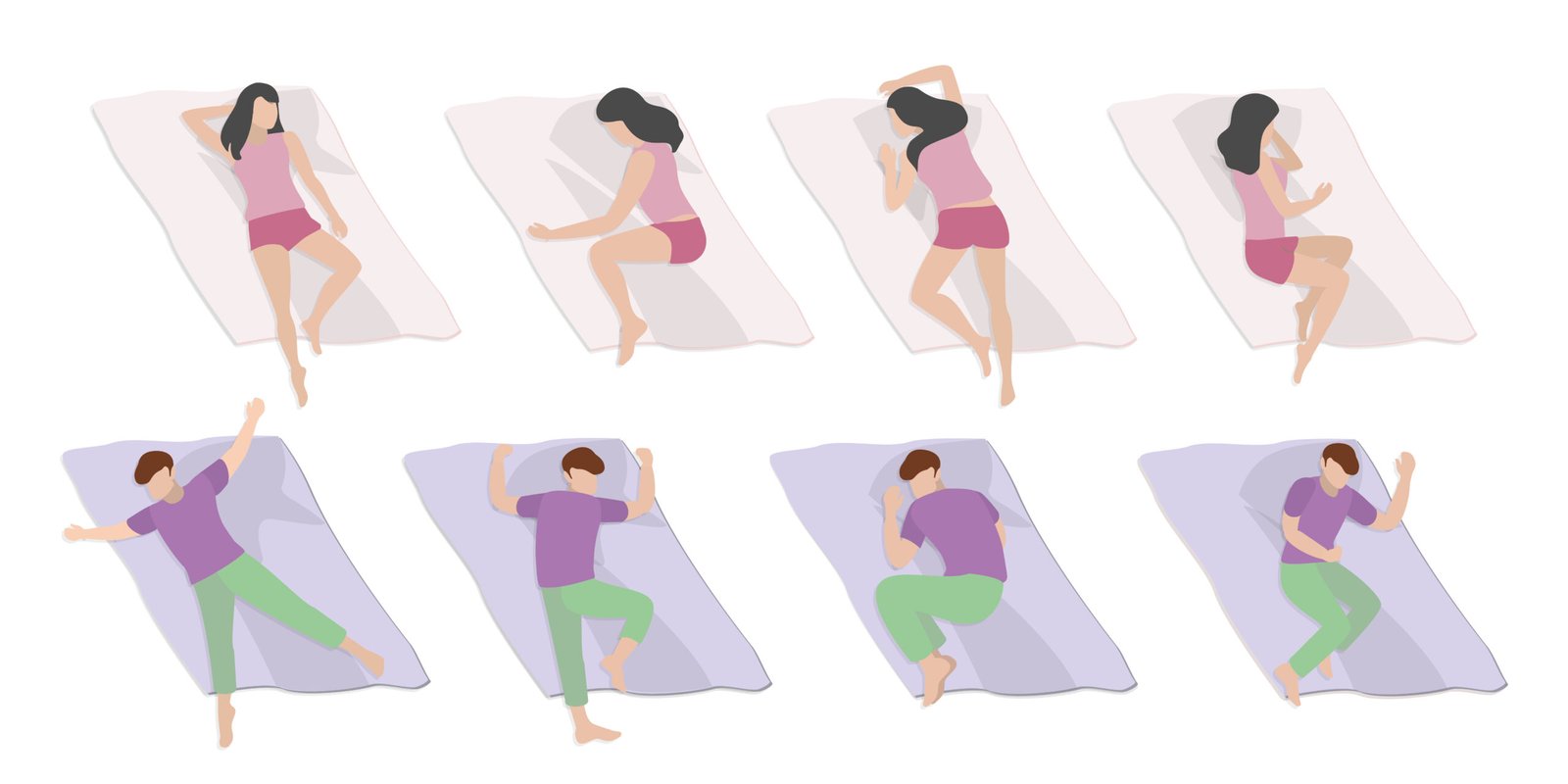
Sleep and nervous system regulation are closely linked in both directions — poor sleep makes it harder for the nervous system to settle, and a dysregulated nervous system makes it harder to sleep well. Evening routines that avoid screens, dim lighting, and allow a genuine wind-down period all support this same underlying process.

Social connection
This one gets less attention than breathing exercises or supplements, but it matters: feeling genuinely connected to other people is itself a nervous system regulator. Isolation, on the other hand, is increasingly recognized as a real health risk in its own right — not just an emotional one, according to research summarized by the American Psychological Association.
A shift worth paying attention to
There’s a meaningful difference between constantly monitoring stress data — tracking every fluctuation in heart rate variability or cortisol — and using that same information strategically to understand patterns over time. More data doesn’t automatically translate to better regulation. In fact, obsessively reacting to every single fluctuation can itself become another source of stress, which somewhat defeats the purpose. The more useful approach is looking at trends over time and interpreting them alongside real context — sleep, training load, life circumstances — rather than chasing a single “optimal” number pulled from an app.
The bigger point about nervous system regulation
Healthy nervous system function isn’t about achieving a permanently calm state — that’s not how the system is designed to work, and it isn’t a realistic goal. It’s about building the capacity to move through stress and actually recover afterward, rather than staying activated long after the moment has passed. That distinction is a small mental shift, but it changes what “managing stress” actually looks like in practice.
FAQ
How long does it take to notice a difference from nervous system regulation practices?
There is no universal timeline. Some practices can change how you feel in the moment, while sleep, workload and longer-term stress patterns may take more time to address.
Is breathwork enough on its own, or do I need multiple approaches?
Breathwork is a strong, accessible starting point, but combining it with consistent sleep habits and some form of physical movement tends to have a more noticeable cumulative effect than any single practice alone.
Can nervous system dysregulation happen even without major life stressors?
Yes. Chronic low-grade stress — poor sleep, constant screen stimulation, lack of physical movement — can keep the nervous system activated even without a single major stressful event driving it.
This article is for informational purposes only and is not medical advice. Consult a healthcare provider for persistent stress, anxiety, or sleep concerns.
Read the practical stress-reduction guide or explore the gut-brain connection.