
If you searched “ashwagandha cortisol,” you are probably trying to answer a narrower question: do the cortisol claims on supplement labels actually match what researchers measure? The answer is more nuanced than “ashwagandha lowers cortisol.”
Some studies report changes in cortisol alongside stress outcomes, but the evidence comes from specific extracts, doses and populations. A cortisol number is not a stand-alone diagnosis, and lowering it is not automatically better.
| Claim you may see | Better question |
|---|---|
| “Lowers cortisol” | In whom, measured how, and with which extract? |
| “Balances hormones” | Which hormone and which clinical outcome is actually being studied? |
| “Works in 6–8 weeks” | Was that timeline specific to one trial rather than a guarantee? |
| “Natural means safe” | What medications, thyroid issues, pregnancy or other conditions change the risk? |

What ashwagandha is
Ashwagandha (Withania somnifera) is a small shrub used for centuries in Ayurvedic medicine, with the root being the part most commonly used in supplements today. It belongs to a category herbalists call “adaptogens” — substances believed to help the body adapt to and better tolerate physical and mental stress. Most modern research focuses specifically on standardized root extracts, commonly labeled KSM-66 or Sensoril, since raw ashwagandha powder varies enormously in potency compared to these standardized versions.
How ashwagandha is thought to affect cortisol
Cortisol is the body’s primary stress hormone, released by the adrenal glands as part of the hypothalamic-pituitary-adrenal (HPA) axis response to perceived stress. Several randomized, placebo-controlled trials have measured cortisol directly before and after ashwagandha supplementation, and a consistent pattern shows up: participants taking standardized ashwagandha extract for 6-8 weeks show meaningful reductions in serum cortisol compared to placebo, in some studied groups. This is a more directly measured effect than a lot of supplements can claim, since cortisol is an objective blood marker rather than a self-reported feeling.
How ashwagandha is thought to affect stress and anxiety
Beyond the cortisol numbers, multiple trials using validated stress and anxiety questionnaires (like the Perceived Stress Scale) report improvements in self-reported stress alongside the biological cortisol changes — which matters, because a supplement that only moves a lab value without people actually feeling any different would be a fairly hollow result. The exact mechanisms behind reported stress effects are still being studied, so it is better to focus on observed outcomes than on a single simplified pathway.
What about sleep specifically
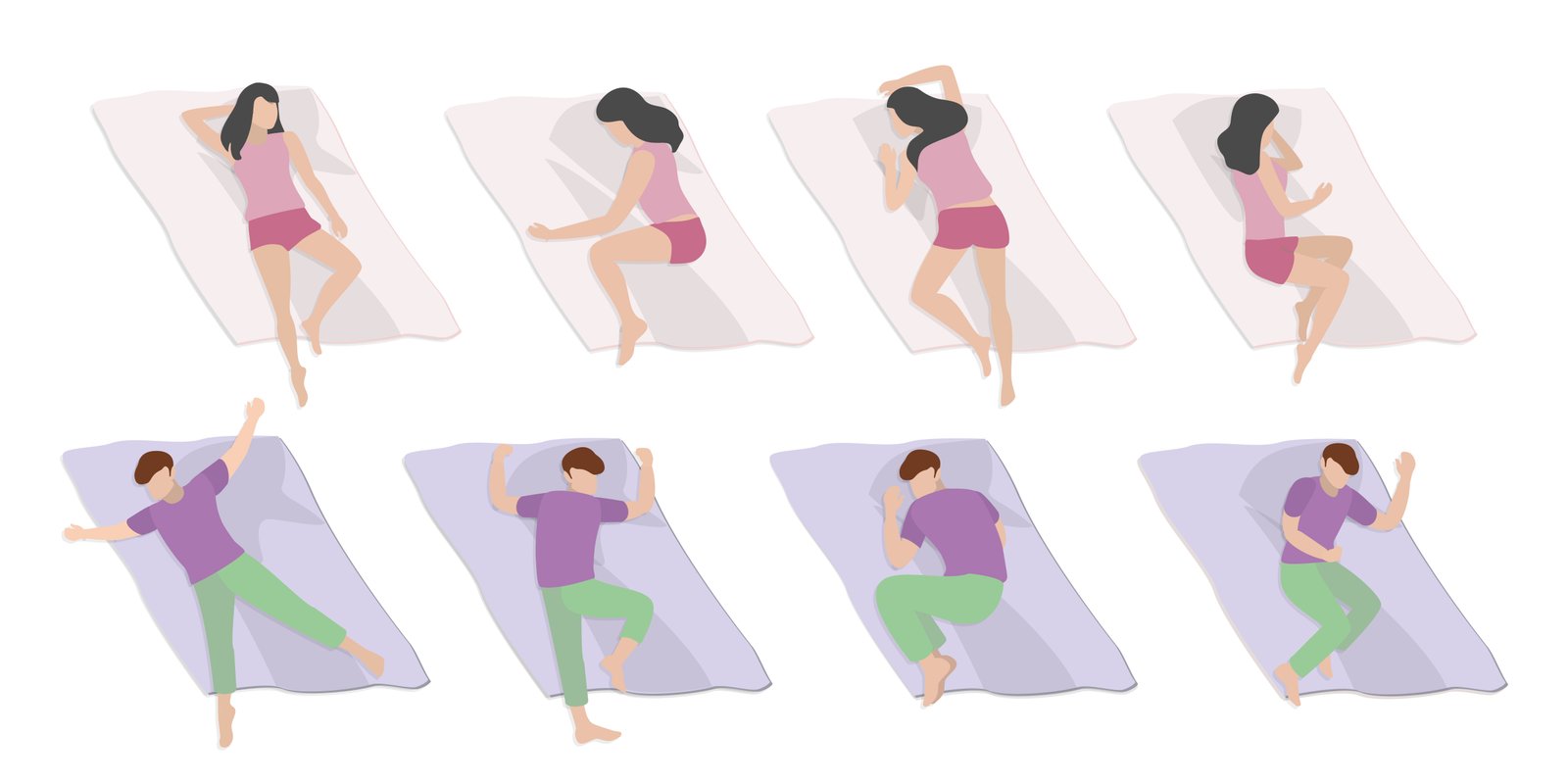
Sleep improvement is one of the more consistently replicated findings across ashwagandha trials, particularly in people who identify as poor sleepers or who have elevated stress at baseline. Effects tend to include falling asleep somewhat faster and reporting better sleep quality, though the effect size is generally modest — this is not positioned in the research as a replacement for addressing significant sleep disorders, more as a mild aid layered on top of good sleep habits. For a broader look at building those foundational habits, our piece on magnesium glycinate for sleep and stress covers a complementary angle on the same underlying HPA-axis mechanism.
Who tends to benefit most
The research here follows a similar pattern to a lot of adaptogens and stress-focused supplements: trial results do not let us predict with certainty who will notice a meaningful benefit. Someone with mild, everyday stress may notice a smaller effect than someone dealing with chronic, high-level stress — which lines up with the idea of ashwagandha “normalizing” an overactive stress response rather than providing a stimulant-like effect regardless of starting point.
Do not use cortisol as a shortcut diagnosis
Feeling tired, gaining abdominal fat, sleeping poorly or feeling anxious does not prove that cortisol is abnormally high. Those symptoms have many possible causes. If you are worried about a hormonal disorder, testing and interpretation belong with a clinician.
How ashwagandha compares to other stress-support options
Ashwagandha isn’t the only option in this space, and it’s worth knowing roughly where it fits. Compared to magnesium glycinate, ashwagandha has a more direct, measured effect on cortisol specifically, while magnesium works more broadly through GABA support and correcting a common nutritional shortfall. Compared to prescription anti-anxiety medications, ashwagandha’s effect size is considerably more modest — it’s not a substitute for clinical treatment of a diagnosed anxiety disorder, but rather a gentler option for everyday, sub-clinical stress. Many people end up combining approaches: foundational habits like sleep and movement, an adaptogen like ashwagandha for a modest daily assist, and professional support for anything more significant, rather than looking for one single supplement to carry the whole load.
Dosage, timing, and safety notes
Clinical trials use specific standardized preparations and doses, but that does not create one universal self-treatment dose. Follow the product label and discuss supplementation with a clinician when medical conditions or medications are involved. Ashwagandha is generally well tolerated, though it’s worth being aware of a few real considerations: it may affect thyroid hormone levels, so people with thyroid conditions should check with a healthcare provider first. It’s also not recommended during pregnancy, and it can interact with sedatives, thyroid medication, and immunosuppressants. The NCCIH summarizes current evidence and important safety cautions, including medication interactions and rare reports of liver injury.
It’s also worth being realistic about what “lowering cortisol” actually means day to day. A 20-30% reduction in a lab-measured cortisol value doesn’t translate to a dramatic, immediately felt transformation for most people — it’s a meaningful shift in an underlying physiological system, which tends to show up as somewhat steadier mood and easier winding-down at night rather than a sudden, obvious change. Setting that kind of realistic expectation upfront tends to prevent the disappointment that comes from expecting a supplement to feel like flipping a switch.
FAQ
How long does it take to notice an effect?
Most trials measuring cortisol and stress reduction used 6-8 week windows, so this is not something that tends to produce a noticeable difference within the first few days.
Can I take ashwagandha every day long-term?
Most studies run 8-12 weeks, so long-term data beyond that window is more limited. Many people do use it on an ongoing basis, but periodic breaks and checking in with a healthcare provider for extended use is a reasonable approach.
Is ashwagandha the same as other adaptogens like rhodiola?
No — while both are classified as adaptogens, they work through different proposed mechanisms and have different research bases. Ashwagandha has more evidence specifically for cortisol reduction and sleep, while rhodiola is more studied for fatigue and mental performance under stress.
What’s the difference between KSM-66 and Sensoril extracts?
Both are standardized, patented ashwagandha root extracts used in most clinical research, differing mainly in their extraction process and ratio of active withanolide compounds. KSM-66 is a full-spectrum root extract more studied for stress and cortisol, while Sensoril contains a higher concentration of withanolides and is sometimes marketed more toward sleep-specific formulations. Both have supporting research, and neither is clearly superior across the board.
This article is for informational purposes only and is not medical advice. Consult a healthcare provider before starting any new supplement, especially if you take medication or have an existing health condition.
nnRead extract and dose details carefully; supplements do not diagnose or treat high cortisol.
View Nutricost Ashwagandha 600 mg on Amazon →As an Amazon Associate, VitalHarmonyFit may earn from qualifying purchases.