If you are looking at ashwagandha because you feel stressed, wired at night, or keep hearing that it “lowers cortisol,” the useful question is not whether the herb is trendy. It is whether the evidence matches your goal, the extract is clearly identified, and the safety profile fits you.
Some ashwagandha preparations may help with stress and insomnia, but studies are often small and use different extracts. Evidence is less clear for anxiety, and long-term safety is not well established.
| Question | What matters |
|---|---|
| Does it help stress? | Some trials suggest benefit, but results depend on the preparation and study. |
| Does it treat anxiety? | Do not treat it as a replacement for clinical care; evidence is less clear. |
| Does the dose matter? | Yes. Compare the exact extract and label directions rather than assuming all powders are equivalent. |
| Who should be cautious? | Pregnancy, breastfeeding, thyroid or autoimmune conditions, surgery and several medications require extra caution. |
What ashwagandha is, briefly
Ashwagandha (Withania somnifera) is a root used in Ayurvedic medicine for centuries, generally classified as an adaptogen: a category of plants believed to help the body resist and recover from stress, rather than sedating it outright. Most of the modern research uses standardized root extracts, with KSM-66 being one of the most studied forms. This matters more than it sounds like it should, because a lot of what gets sold as ashwagandha is not standardized at all.
What the research on ashwagandha for stress actually shows
Clinical trials have studied several ashwagandha preparations for stress and sleep, but the products and study designs vary. The NCCIH says some preparations may help with stress and insomnia, while evidence for anxiety remains unclear.
That said, it is a meaningfully different claim than saying it treats an anxiety disorder. The research on ashwagandha for stress is on everyday, garden-variety stress and mild anxiousness, not clinical conditions requiring medical treatment, and it is worth being honest about that distinction rather than overselling it.
Does it help with sleep too?
Several of the same studies also tracked sleep quality, and the results tend to point the same direction: modest but consistent improvements, particularly for people whose sleep issues are stress-related rather than caused by something else entirely. It is not marketed as a sleep aid specifically, but better stress regulation during the day often shows up as easier sleep at night, which tracks with how closely the two systems are connected.
“How long before I actually notice something?”
This is usually the first question people ask, and it is a fair one after being burned by supplements that promised fast results and delivered nothing. Ashwagandha differs from something like caffeine or a fast-acting calming aid. There is no universal timeline that applies to every extract or every person. If you try it, use the label directions and judge it against the specific reason you chose it rather than expecting an immediate calming effect.
“Is this just hype, or does the dosage actually matter?”
It matters enormously, and this is where a lot of products quietly fall short. Dosage and extraction method both matter more than people expect. Look for a standardized extract (the withanolide percentage is usually listed) rather than raw root powder, since concentration varies enormously between products. Most of the positive research uses somewhere in the range of 240 to 600mg of a standardized extract per day, and a product that does not disclose either number is asking you to trust it blind.
What to compare before buying an ashwagandha supplement
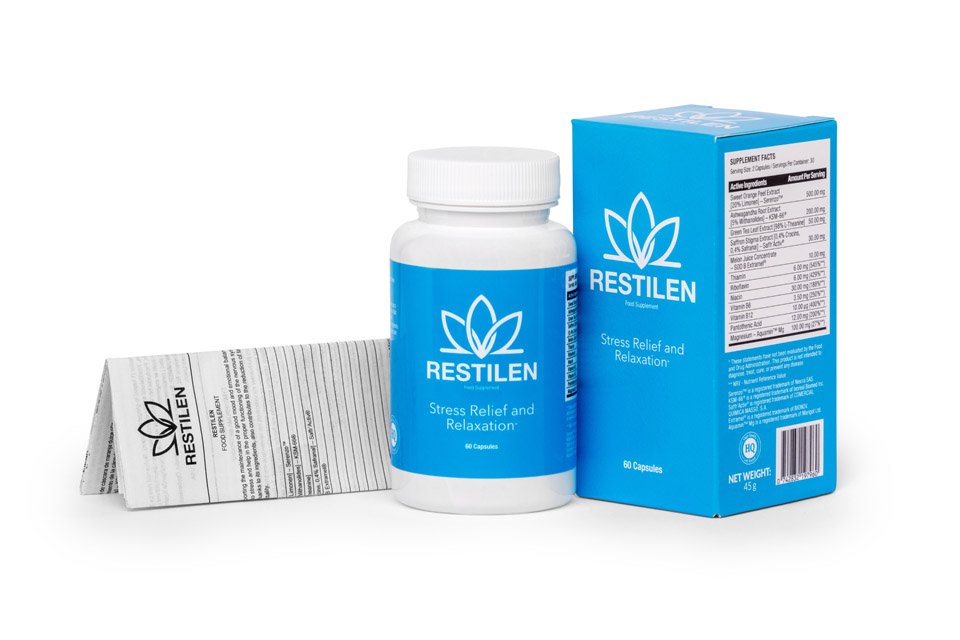
Compare the plant part used, whether the extract is standardized, the amount per serving, other active ingredients, and whether the manufacturer clearly discloses the formula. A multi-ingredient formula is not automatically better than a single-ingredient product.
Who should be cautious
Ashwagandha is generally well tolerated, but it is not automatically appropriate for everyone. It is not recommended during pregnancy or breastfeeding, and people on sedative medication, thyroid medication, or with autoimmune conditions should check with a doctor before adding it, since it can interact with how the body regulates certain hormones and immune activity.
The bottom line on ashwagandha for stress
Ashwagandha is worth evaluating as one option for stress or sleep support, not as a cure-all and not as a substitute for medical care when symptoms are significant. Start with the evidence, safety and label, then decide whether the format fits your routine.
If you want to see how those checks apply to one multi-ingredient stress-support formula, our Restilen guide reviews the product after the buying criteria are explained.
This article is educational and is not medical advice.
How to use this information in a realistic routine
It helps to treat health and supplement decisions as part of a bigger routine rather than as a single quick fix. Start with the basics that apply to the topic, keep changes simple enough to repeat, and give yourself time to notice whether the routine is actually practical. If a product is involved, compare the label, serving size, ingredient amounts, allergens and cost per serving instead of relying only on front-label claims.
For symptoms that are persistent, severe, new or getting worse, a clinician can help rule out causes that a wellness article cannot diagnose. That is especially important when symptoms overlap with medication effects, hormonal changes, digestive conditions or other health concerns. The goal is not to chase every trend; it is to make a sensible decision with clear expectations.
A simple check before you change your routine
- What specific problem are you trying to solve?
- Is the change realistic enough to repeat for several weeks?
- Are there medications, allergies or medical conditions to consider?
- Can you measure progress without relying on exaggerated promises?
- Would food, sleep, movement or professional care matter more than a supplement?
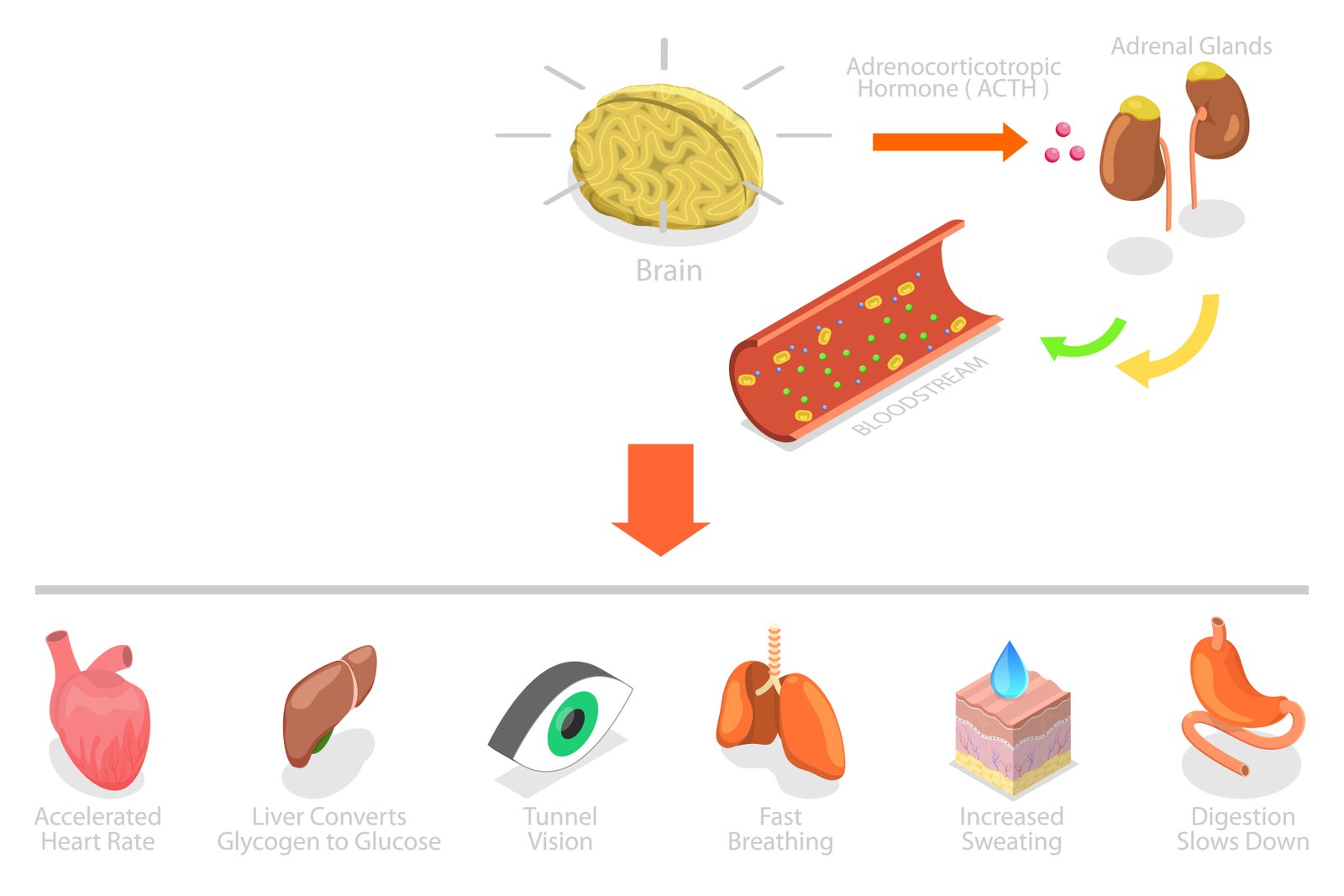
What to check on an ashwagandha label
Look for the plant part used, extract standardization when provided, serving size and a clear ingredient list. More is not automatically better. Ashwagandha can cause side effects and may not be appropriate during pregnancy, with certain thyroid or autoimmune conditions, or alongside some medications. A clinician or pharmacist can help review personal risks.
Keep expectations realistic
Studies typically evaluate specific extracts, doses and groups of participants. Results from one formulation do not automatically apply to every product on the shelf. Treat the supplement as one possible part of a broader stress-management routine that also includes sleep, movement, social support and professional care when needed.
Questions to ask before buying an ashwagandha supplement
- Which extract and plant part does the label identify?
- Is the amount per serving clearly listed?
- Are there other active ingredients that change the safety picture?
- Does the product make claims that sound stronger than the evidence?
- Do your medications or health conditions warrant a pharmacist review?
What would make us skip a product?
We would be cautious with vague labels, proprietary blends that hide amounts, promises of guaranteed cortisol reduction, or formulas that combine many active ingredients without a clear reason. Transparency, realistic claims and safety information matter more than dramatic marketing language.
nnReview extract type, dose and safety information; ask a clinician about medications or relevant conditions.
View Nutricost Ashwagandha 600 mg on Amazon →As an Amazon Associate, VitalHarmonyFit may earn from qualifying purchases.