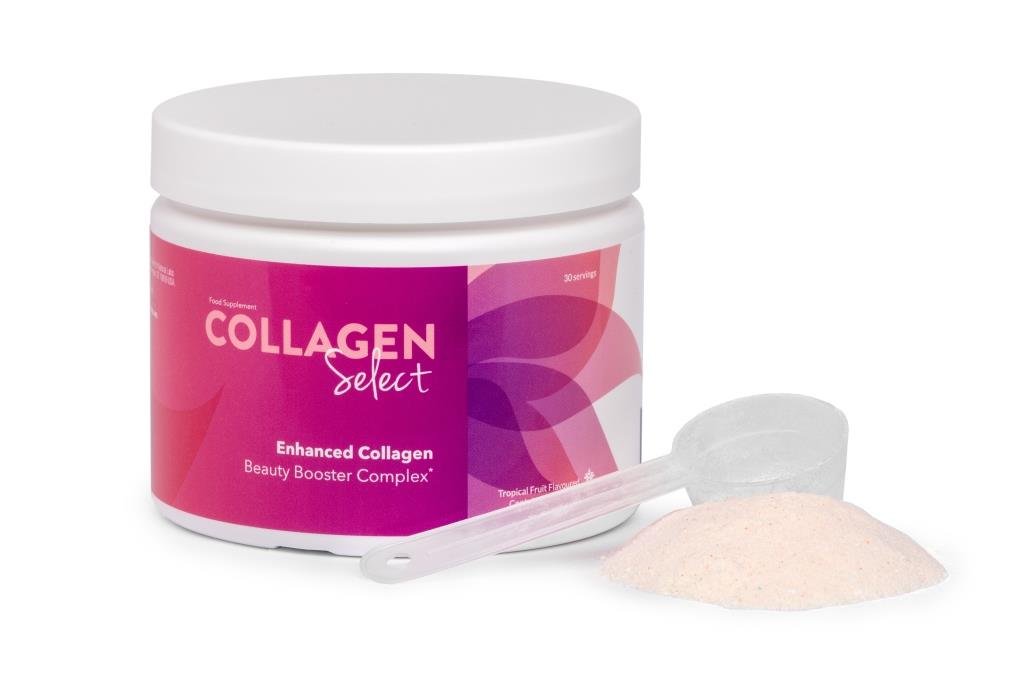
If you are standing in front of a shelf full of collagen powders, capsules and gummies, the confusing part is not finding a product. It is figuring out what actually matters on the label. Maybe you tried collagen before and noticed nothing. Maybe you are comparing formulas for the first time. Either way, the useful question is not “Which brand sounds best?” but “What should I check before I spend money?”
Why your body’s own collagen production matters in the first place
According to the Cleveland Clinic, collagen is the structural protein that keeps skin firm, joints cushioned, and hair and nails strong. Your body makes plenty of it in your 20s, but that production slows by roughly one percent a year starting in your mid-20s, and drops more sharply after menopause for women. By your late 30s and 40s, the gap between what your body needs and what it produces starts showing up as thinner, less elastic skin and slower-growing hair and nails.
Supplementing with collagen is not about replacing something your body has stopped making entirely. It is about giving it extra raw material and the right cofactors to keep production going a little longer, which is a meaningfully different claim than what a lot of packaging implies.
Affiliate disclosure: As an Amazon Associate, we earn from qualifying purchases.
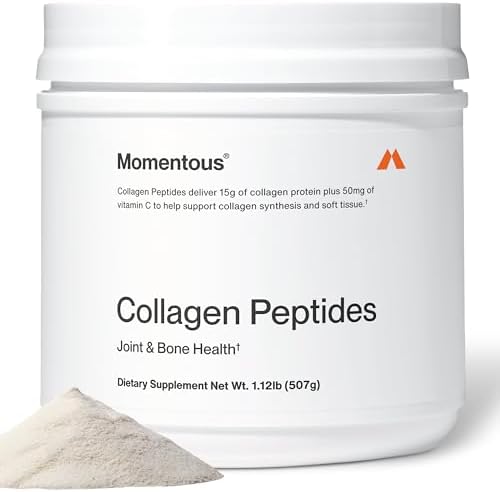
Selected because it matches the supplement form discussed in this guide. Check the current label, size and availability on Amazon.
“I tried collagen before and did not notice anything. What should I check?”
That experience does not automatically mean the product was poor or that collagen can never help. Check the exact collagen source and serving amount, how consistently it was used, what outcome you expected, and whether the research on that specific type of collagen matches your goal. Visible skin, hair and nail changes can also be influenced by sleep, sun exposure, nutrition, hormones and other factors.
It is also worth checking the delivery format. Powders mixed into a daily drink tend to make consistency easier for a lot of people compared to remembering multiple capsules, simply because it becomes part of an existing routine (like morning coffee or water) instead of one more pill to remember.
What a transparent formula looks like
A formula is easier to evaluate when it clearly names the collagen source, lists the amount per serving, shows all supporting nutrients and makes sweeteners and other added ingredients easy to find. Vitamin C, biotin, zinc or copper may be relevant depending on the product and your goal, but more ingredients do not automatically make a formula better.
If you want to see how those checks apply to one specific product, our Collagen Select ingredient and serving guide walks through the current label after the buying criteria are explained.
It also will not fix a diet that is otherwise working against your skin. Collagen supplementation tends to work best alongside the basics that already support skin health, enough sleep, hydration, and an anti-inflammatory eating pattern that does not undo the progress with chronic inflammation working in the opposite direction. If you have not looked at how collagen production actually declines with age and what else affects it, our deeper breakdown on collagen supplements for skin and joints covers that ground in more detail.
“Is this safe to take long-term, or should I cycle it?”
Collagen peptides are generally well tolerated, and unlike some supplements, there is no established need to cycle on and off. The research on daily use extends well past a year in some studies without notable safety concerns for healthy adults. That said, it is not automatically appropriate for everyone. Pregnant or breastfeeding women should check with a doctor before starting any new supplement, and anyone with a known allergy to the collagen source (commonly marine or bovine) needs to check the label carefully, since sourcing varies by product.
Powder, capsule, or gummy collagen supplement: does the format actually matter?
Functionally, no, hydrolyzed collagen peptides absorb similarly regardless of format, as long as the dose is adequate. Where format matters is adherence. Gummies often carry a lower effective dose per serving because of manufacturing limits on how much can be packed into a chewable format, which is worth checking against the 2,500mg-plus range the research points to. Capsules require taking several at once to hit an effective dose, which is part of why powders mixed into a drink have become the more common format for people who actually stick with it past the first two weeks.
The bottom line
Do not start with the brand. Start with the question you are trying to answer, then compare source, serving amount, added ingredients, tolerability and cost per serving. If a formula still makes sense after those checks, then it is worth reviewing the product-specific details. That order helps you make a decision instead of buying from hype.