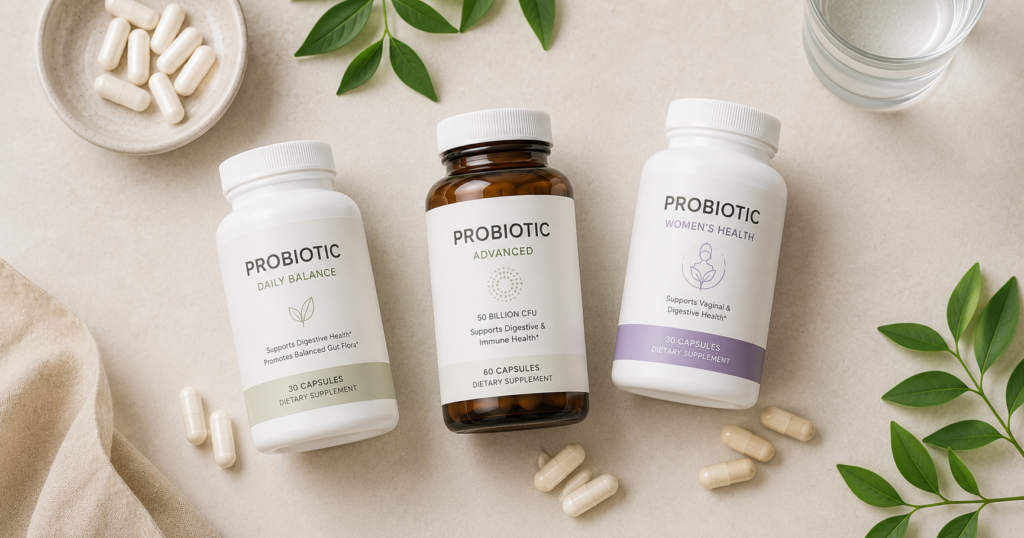
Finding the Best Probiotics for Gut Health, Immunity, and Digestion
Choosing the best probiotics for gut health can feel confusing with so many strains, formulas, and CFU counts on the market. But probiotics remain one of the most searched and recommended supplements for supporting digestion, immunity, and overall wellness in 2026.
This guide breaks down what probiotics actually do, which strains matter most, and how to choose the right one for your specific needs. This guide breaks down what probiotics actually do, which strains matter most, and how to find the best probiotics for gut health based on your specific needs.”
What Are Probiotics and Why Do They Matter
Probiotics are live beneficial bacteria that help maintain a healthy balance in your gut microbiome. Your digestive system naturally hosts trillions of bacteria, and probiotics help support the “good” ones that aid digestion, nutrient absorption, and immune function.
An imbalanced gut, often caused by stress, poor diet, or antibiotic use, can lead to bloating, irregular digestion, and even mood changes due to the strong connection between gut and brain health, due to the strong connection between gut and brain health, as explained by Harvard Health Publishing.
Probiotics vs. Prebiotics: What’s the Difference
These two terms are often confused, but they work together rather than being interchangeable.
- Probiotics are live beneficial bacteria that you consume directly
- Prebiotics are types of fiber that feed the good bacteria already living in your gut
Many people benefit from combining both, which is why prebiotic and probiotic combination supplements have grown in popularity alongside fiber products like psyllium.
Best Probiotic Strains to Look For
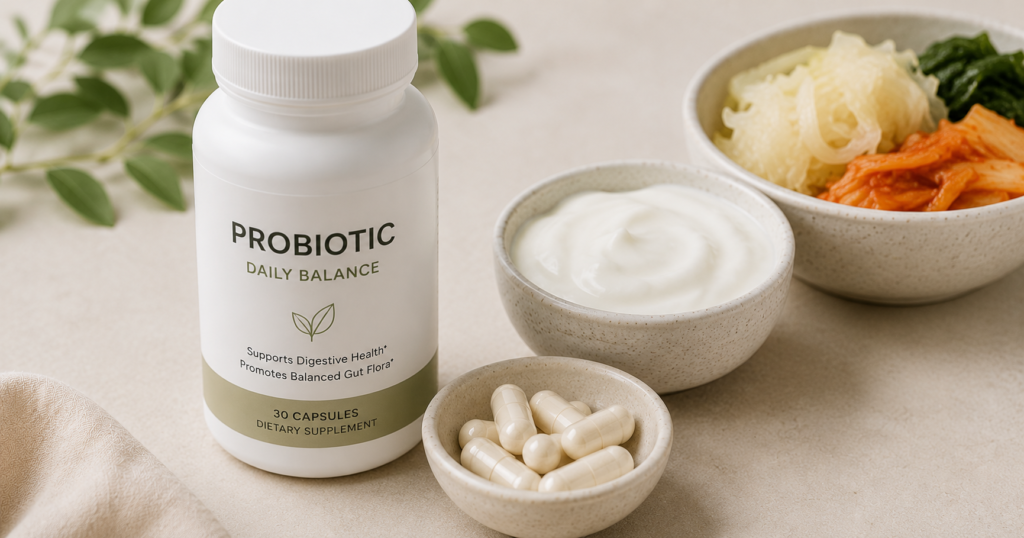
Not all probiotics are created equal. Different strains offer different benefits, so understanding the basics helps you choose a formula suited to your goals.
Lactobacillus Strains
Commonly found in yogurt and fermented foods, Lactobacillus strains are widely studied for supporting digestion and helping break down lactose.
Bifidobacterium Strains
These strains are associated with supporting a healthy gut lining and overall digestive comfort, making them a common addition to daily gut health formulas.
Saccharomyces Boulardii
This beneficial yeast strain is often included in formulas designed to support gut balance, particularly during times of digestive disruption such as travel or dietary changes.
Best Probiotics for Gut Health
CFU Count
CFU stands for colony-forming units, which indicates how many live bacteria are in each dose. Higher isn’t always better — consistency and strain diversity often matter more than an extremely high CFU count alone.
Strain Diversity
Look for formulas that include multiple strains rather than just one, since different strains support different aspects of gut health.
Storage Requirements
Some probiotics require refrigeration to keep bacteria alive, while others are shelf-stable. Consider your daily routine when choosing between the two.
Delivery Format
- Capsules are the most common and convenient format for daily use
- Powders can be mixed into drinks and may work well for those who have trouble swallowing capsules
- Gummies offer an easy option, though they may contain added sugar
Signs Your Gut May Benefit from Probiotics
- Frequent bloating or gas
- Irregular digestion or occasional discomfort after meals
- Recent antibiotic use
- Ongoing stress affecting digestion
- Skin issues without a clear cause
If several of these sound familiar, adding a daily probiotic alongside a fiber-rich diet may help support better gut balance over time.
Combining Probiotics with Fiber for Best Results
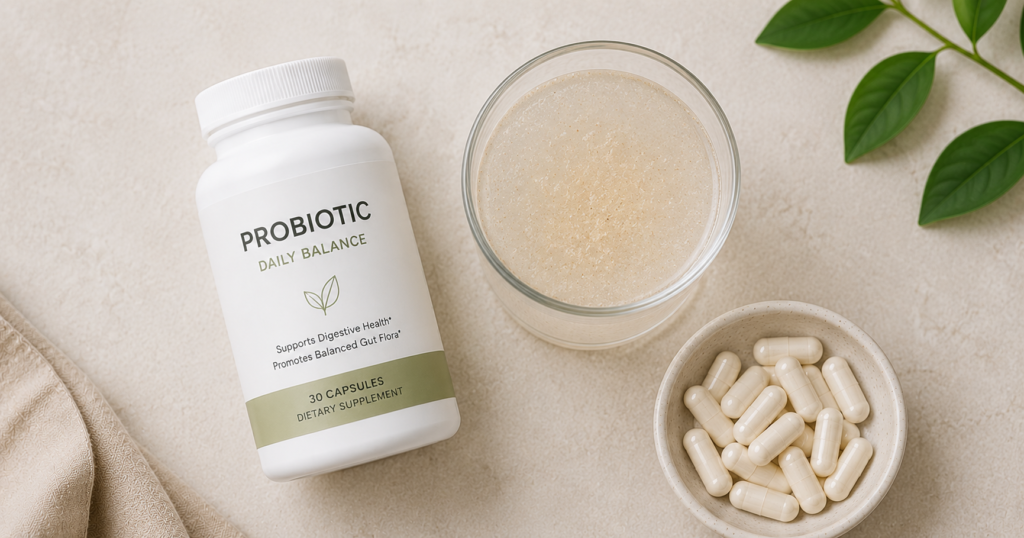
Probiotics work best when paired with enough fiber in your diet, since fiber acts as fuel for the beneficial bacteria you’re introducing. If you want to learn more about the best fiber options, check out our guide on best fiber supplements for gut health, and pair it with a daily probiotic for a more complete approach to gut health. Pairing the best probiotics for gut health with a fiber-rich diet creates a more complete approach.
Tips for Taking Probiotics
- Take probiotics consistently at the same time each day to build a routine
- Follow the storage instructions on the label, especially for refrigerated formulas
- Pair with fiber-rich foods or a fiber supplement for better results
- Give it time — most people notice changes within two to four weeks of consistent use
- Speak with a healthcare provider before starting, especially if you have a compromised immune system or underlying health condition
Conclusion
Finding the best probiotics for gut health comes down to understanding your specific needs, whether that’s general digestive support, immune health, or recovery after antibiotics. With so many strains and formats available, focusing on strain diversity, proper storage, and consistency matters more than chasing the highest CFU count on the shelf.
Paired with a fiber-rich diet, choosing the best probiotics for gut health can be a simple, effective addition to a long-term wellness routine.
Frequently Asked Questions
Frequently Asked Questions
What is the best probiotic strain for gut health?
There isn’t a single set of best probiotics for gut health that works for everyone. Lactobacillus and Bifidobacterium strains are among the most studied and commonly recommended for general gut health support.
Should I take probiotics and prebiotics together?
Yes, many people benefit from combining both, since prebiotics provide fuel for the probiotic bacteria to thrive in the gut.
How long does it take for probiotics to work?
Most people notice initial changes within two to four weeks of consistent daily use, though this can vary based on individual gut health.
Do probiotics need to be refrigerated?
Some formulas require refrigeration to keep bacteria alive, while others are shelf-stable. Always check the product label for specific storage instructions.
Can I take probiotics every day?
Yes, daily use is common and generally well-tolerated. It’s best to consult a healthcare provider if you have any underlying health conditions.