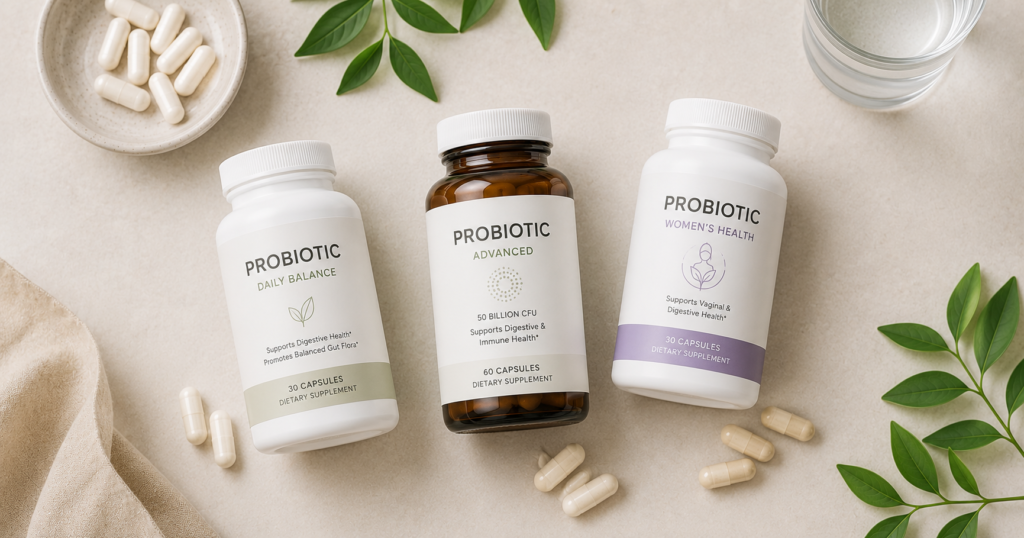
Finding the Best Probiotics for Gut Health, Immunity, and Digestion
Choosing the best probiotics for gut health can feel confusing with so many strains, formulas, and CFU counts on the market. But probiotics remain one of the most searched and recommended supplements for supporting digestion, immunity, and overall wellness in 2026.
This guide breaks down what probiotics actually do, which strains matter most, and how to choose the right one for your specific needs. This guide breaks down what probiotics actually do, which strains matter most, and how to find the best probiotics for gut health based on your specific needs.”
What Are Probiotics and Why Do They Matter
Probiotics are live beneficial bacteria that help maintain a healthy balance in your gut microbiome. Your digestive system naturally hosts trillions of bacteria, and probiotics help support the “good” ones that aid digestion, nutrient absorption, and immune function.
Digestive symptoms can have many causes. Stress, diet changes, medications and antibiotics can all affect digestion, but symptoms such as bloating or irregularity do not prove that you “need” a probiotic. For label guidance, the NIH Office of Dietary Supplements recommends checking the genus, species, strain, CFUs, expiration date and storage instructions.
Probiotics vs. Prebiotics: What’s the Difference
These two terms are often confused, but they work together rather than being interchangeable.
- Probiotics are live beneficial bacteria that you consume directly
- Prebiotics are types of fiber that feed the good bacteria already living in your gut
Many people benefit from combining both, which is why prebiotic and probiotic combination supplements have grown in popularity alongside fiber products like psyllium.
Best Probiotic Strains to Look For
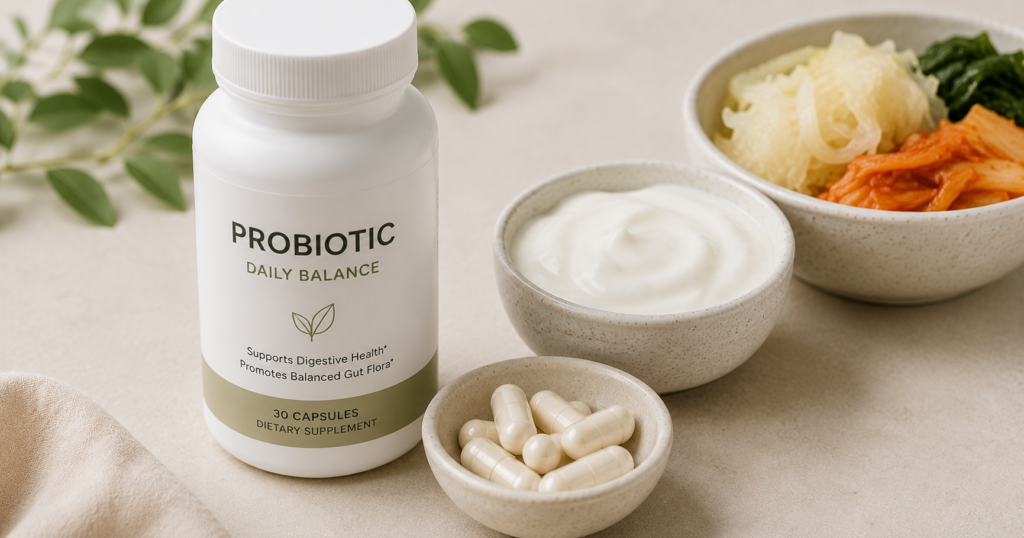
Not all probiotics are created equal. Different strains offer different benefits, so understanding the basics helps you choose a formula suited to your goals.
Lactobacillus Strains
Commonly found in yogurt and fermented foods, Lactobacillus strains are widely studied for supporting digestion and helping break down lactose.
Bifidobacterium Strains
These strains are associated with supporting a healthy gut lining and overall digestive comfort, making them a common addition to daily gut health formulas.
Saccharomyces Boulardii
This beneficial yeast strain is often included in formulas designed to support gut balance, particularly during times of digestive disruption such as travel or dietary changes.
Best Probiotics for Gut Health
CFU Count
CFU stands for colony-forming units, which indicates how many live bacteria are in each dose. Higher isn’t always better — consistency and strain diversity often matter more than an extremely high CFU count alone.
Strain Diversity
Look for formulas that include multiple strains rather than just one, since different strains support different aspects of gut health.
Storage Requirements
Some probiotics require refrigeration to keep bacteria alive, while others are shelf-stable. Consider your daily routine when choosing between the two.
Delivery Format
- Capsules are the most common and convenient format for daily use
- Powders can be mixed into drinks and may work well for those who have trouble swallowing capsules
- Gummies offer an easy option, though they may contain added sugar
Questions to Ask Before Trying a Probiotic
- Frequent bloating or gas
- Irregular digestion or occasional discomfort after meals
- Recent antibiotic use
- Ongoing stress affecting digestion
- Whether your symptoms have another obvious trigger, such as a new food, medication or sudden diet change
These questions can help you decide what to investigate next, but they are not a diagnosis. Persistent or severe digestive symptoms deserve medical evaluation rather than trial-and-error supplementation.
Combining Probiotics with Fiber for Best Results
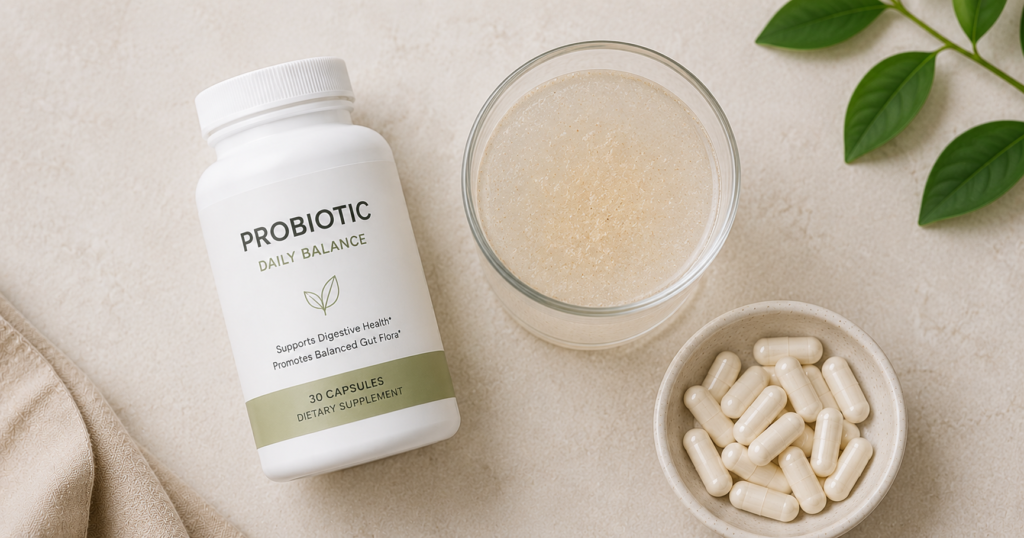
Probiotics work best when paired with enough fiber in your diet, since fiber acts as fuel for the beneficial bacteria you’re introducing. If you want to learn more about the best fiber options, check out our guide on best fiber supplements for gut health, and pair it with a daily probiotic for a more complete approach to gut health. Pairing the best probiotics for gut health with a fiber-rich diet creates a more complete approach.
Tips for Taking Probiotics
- Take probiotics consistently at the same time each day to build a routine
- Follow the storage instructions on the label, especially for refrigerated formulas
- Pair with fiber-rich foods or a fiber supplement for better results
- Do not expect a universal timeline. Effects vary by strain, reason for use, diet and individual response
- Speak with a healthcare provider before starting, especially if you have a compromised immune system or underlying health condition
Conclusion
Finding the best probiotics for gut health comes down to understanding your specific needs, whether that’s general digestive support, immune health, or recovery after antibiotics. With so many strains and formats available, focusing on strain diversity, proper storage, and consistency matters more than chasing the highest CFU count on the shelf.
Paired with a fiber-rich diet, choosing the best probiotics for gut health can be a simple, effective addition to a long-term wellness routine.
Frequently Asked Questions
Frequently Asked Questions
What is the best probiotic strain for gut health?
There isn’t a single set of best probiotics for gut health that works for everyone. Lactobacillus and Bifidobacterium strains are among the most studied and commonly recommended for general gut health support.
Should I take probiotics and prebiotics together?
Yes, many people benefit from combining both, since prebiotics provide fuel for the probiotic bacteria to thrive in the gut.
How long does it take for probiotics to work?
There is no single timeline that applies to every probiotic or every goal. Follow the product directions and judge the result against the specific reason you chose that strain.
Do probiotics need to be refrigerated?
Some formulas require refrigeration to keep bacteria alive, while others are shelf-stable. Always check the product label for specific storage instructions.
Can I take probiotics every day?
Yes, daily use is common and generally well-tolerated. It’s best to consult a healthcare provider if you have any underlying health conditions.
Compare fiber supplements, then see simple digestion habits.


How to use this information in a realistic routine
It helps to treat health and supplement decisions as part of a bigger routine rather than as a single quick fix. Start with the basics that apply to the topic, keep changes simple enough to repeat, and give yourself time to notice whether the routine is actually practical. If a product is involved, compare the label, serving size, ingredient amounts, allergens and cost per serving instead of relying only on front-label claims.
For symptoms that are persistent, severe, new or getting worse, a clinician can help rule out causes that a wellness article cannot diagnose. That is especially important when symptoms overlap with medication effects, hormonal changes, digestive conditions or other health concerns. The goal is not to chase every trend; it is to make a sensible decision with clear expectations.
A simple check before you change your routine
- What specific problem are you trying to solve?
- Is the change realistic enough to repeat for several weeks?
- Are there medications, allergies or medical conditions to consider?
- Can you measure progress without relying on exaggerated promises?
- Would food, sleep, movement or professional care matter more than a supplement?
Look for named strains, storage instructions and CFU count at expiration.
View Garden of Life Once Daily Ultra 90B on Amazon →As an Amazon Associate, VitalHarmonyFit may earn from qualifying purchases.
Pingback: 100 Billion CFU Probiotics: 6 Essential Buying Checks