If you are comparing magnesium glycinate because sleep feels light, evenings feel tense, or you keep seeing it recommended online, start with two questions: are you actually low in magnesium, and is magnesium the main issue behind your sleep or stress symptoms?
Magnesium is an essential mineral, but magnesium glycinate is not a guaranteed sleep or anxiety treatment. It may be most useful when intake is low or a clinician has identified a reason to supplement.
| Question | What to check |
|---|---|
| Is glycinate automatically the best form? | No. Compare elemental magnesium, tolerance, goal and cost. |
| Will it fix insomnia? | Persistent insomnia has stronger evidence-based treatments such as CBT-I. |
| Can more magnesium work better? | Not necessarily. Supplemental magnesium can cause side effects and interact with medications. |
| Who needs extra caution? | People with kidney disease or relevant medications should get medical guidance. |
What magnesium glycinate is
Magnesium glycinate — sometimes called magnesium bisglycinate — is a chelated form of magnesium, meaning the mineral is bound to the amino acid glycine. Different magnesium forms vary in elemental magnesium content, solubility, cost and gastrointestinal effects. Glycinate is often chosen for tolerability, but the label should still be judged by elemental magnesium and your individual needs.
How magnesium glycinate is thought to affect sleep
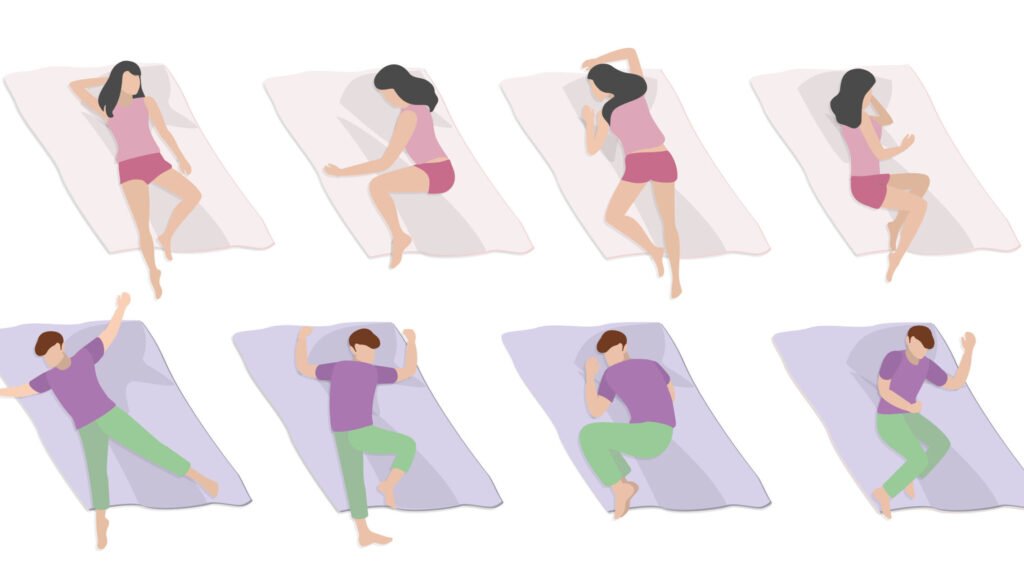
Magnesium plays a role in regulating melatonin production and extending its active duration, which is part of why adequate magnesium levels are linked to more consistent sleep onset. It also interacts with GABA receptors — the brain’s primary inhibitory neurotransmitter system — helping to prevent excessive neural excitation and support the parasympathetic “rest and digest” state that makes it easier to actually wind down at night.
A randomized, placebo-controlled trial published in 2025 found that a modest daily dose of elemental magnesium produced a meaningful, if modest, reduction in insomnia severity scores over four weeks. Importantly, the effect was strongest in people who started out with lower dietary magnesium intake — suggesting the supplement helps most when it’s correcting an actual shortfall, rather than adding benefit on top of an already-sufficient level.
How magnesium glycinate is thought to affect stress
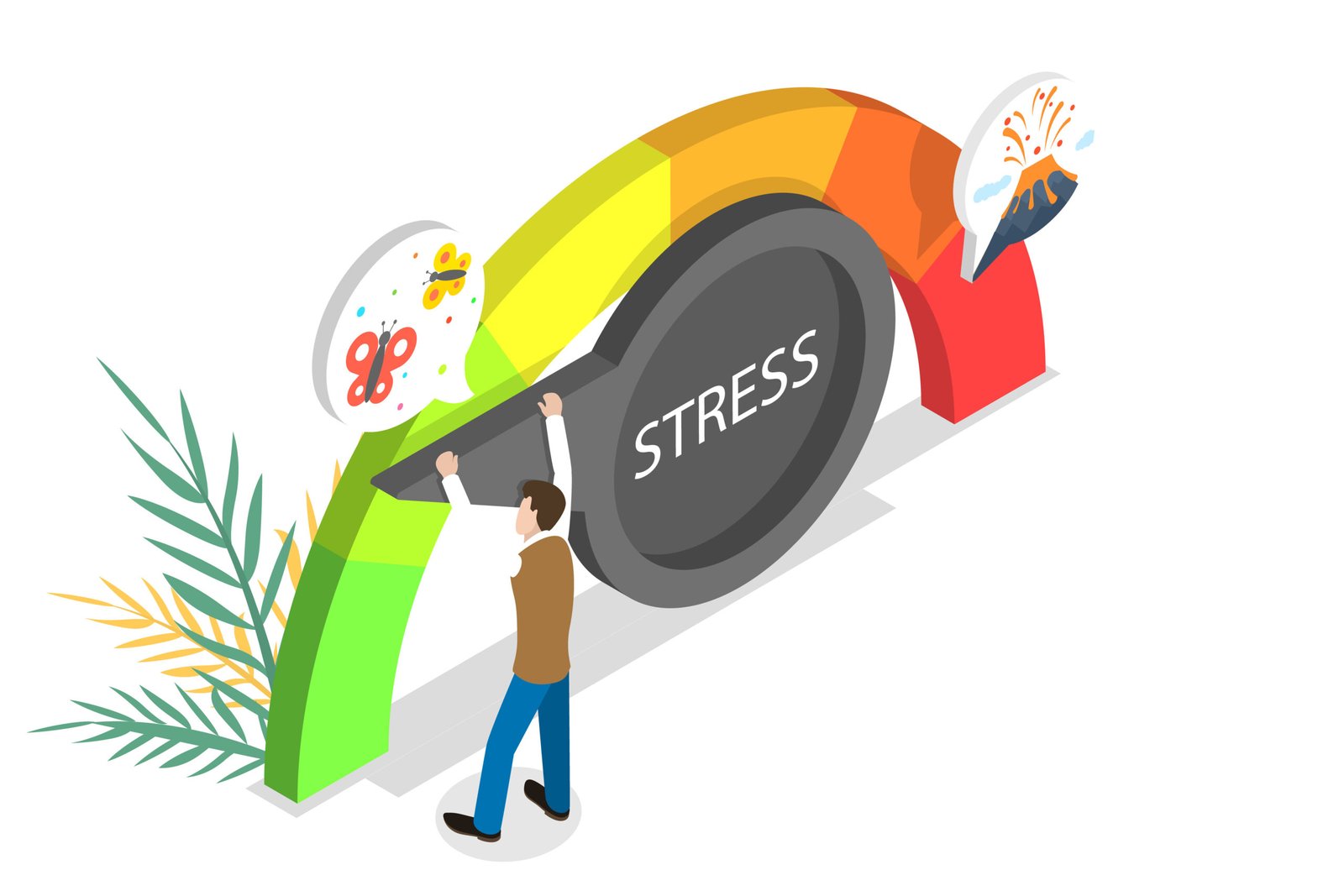
Magnesium participates in many normal body processes, including nerve and muscle function. Stress symptoms, however, do not prove magnesium deficiency. Magnesium is involved in supporting the hypothalamic-pituitary-adrenal (HPA) axis, the system that governs the body’s stress response, and some research suggests adequate magnesium levels can help moderate cortisol production during acute stress. This ties closely into the broader picture of nervous system regulation, since a well-supported stress response is what allows the body to actually downshift and recover.
Who tends to benefit most
The research here is fairly consistent on one point: magnesium glycinate seems to help most in people who are actually running low on magnesium to begin with — through diet, age-related absorption changes, certain medications, or high alcohol intake — rather than offering a strong effect for people who are already getting enough. Older adults in particular may see more benefit, since the body naturally absorbs less magnesium with age.
It’s also worth being honest about the limits here. For chronic insomnia or diagnosed anxiety disorders, established behavioral approaches like CBT-I have considerably stronger evidence behind them than any supplement. Magnesium glycinate is better understood as gentle, well-tolerated support — not a replacement for approaches with a stronger evidence base for more serious or persistent symptoms.

Affiliate disclosure: As an Amazon Associate, we earn from qualifying purchases.

Check Current Price on Amazon →
A few practical notes on magnesium glycinate dosage
Do not copy a dose from a headline. Check the amount of elemental magnesium on the Supplement Facts panel and compare it with dietary intake, product directions and medical guidance. It’s also worth checking with a healthcare provider before starting, especially if you’re on medications like certain antibiotics, blood pressure medication, or diuretics, since magnesium can interact with these. People with kidney disease should not supplement without medical guidance. The NIH Office of Dietary Supplements maintains an up-to-date fact sheet on recommended magnesium intake levels by age and sex.
FAQ
What do people usually take magnesium glycinate for?
People commonly search for it because of sleep, tension, muscle cramps or low magnesium intake. Those symptoms are not specific to magnesium deficiency, and evidence for magnesium glycinate as a sleep or stress treatment is limited, so the label and the reason for supplementing matter.
Can women over 50 take magnesium glycinate?
Age alone does not determine whether a magnesium supplement is appropriate. Women over 50 should consider total magnesium intake, kidney function, medications and the amount of elemental magnesium on the label. A clinician can help when there are medical conditions or regular medications.
How long does it take to notice a difference?
Most of the research measuring sleep improvement used a several-week window, so it’s not something that tends to show an immediate, dramatic effect the first night.
Is magnesium glycinate better than magnesium citrate?
Glycinate’s main advantage is tolerability — it’s gentler on digestion. Citrate is cheaper but has a mild laxative effect, which some people don’t mind and others actively avoid.
Can I take magnesium glycinate every day long-term?
Long-term use depends on total intake, kidney function, medications and the reason for supplementing. Check with a clinician if you plan ongoing use or take interacting medicines.
This article is for informational purposes only and is not medical advice. Consult a healthcare provider before starting any new supplement, especially if you take medication or have an existing health condition.
Compare this with our ashwagandha guide and non-supplement stress strategies.
How to use this information in a realistic routine
It helps to treat health and supplement decisions as part of a bigger routine rather than as a single quick fix. Start with the basics that apply to the topic, keep changes simple enough to repeat, and give yourself time to notice whether the routine is actually practical. If a product is involved, compare the label, serving size, ingredient amounts, allergens and cost per serving instead of relying only on front-label claims.
For symptoms that are persistent, severe, new or getting worse, a clinician can help rule out causes that a wellness article cannot diagnose. That is especially important when symptoms overlap with medication effects, hormonal changes, digestive conditions or other health concerns. The goal is not to chase every trend; it is to make a sensible decision with clear expectations.
A simple check before you change your routine
- What specific problem are you trying to solve?
- Is the change realistic enough to repeat for several weeks?
- Are there medications, allergies or medical conditions to consider?
- Can you measure progress without relying on exaggerated promises?
- Would food, sleep, movement or professional care matter more than a supplement?

What to check before using magnesium for sleep
Start with the reason you are considering it. Poor sleep can come from schedule, caffeine, stress, pain, sleep apnea, medication effects and many other factors. Magnesium may fit some routines, but it is not a universal sleep treatment. Check the dose, form and other ingredients, and ask a clinician or pharmacist if you have kidney disease or take medicines that can interact with minerals.