If you have been waking tired, clenching your jaw, feeling unusually irritable, or noticing that your digestion and sleep change when life gets intense, you may be wondering whether stress is part of the picture. Those signals are real, but none of them can diagnose “high cortisol” or a nervous-system disorder on their own.
Look for patterns, not one symptom. Sleep, muscle tension, irritability, appetite, digestion and feeling constantly “on” can all change during prolonged stress, but similar symptoms can also come from medical, sleep, medication or lifestyle causes.
| What you notice | What to ask next |
|---|---|
| Waking tired | Is sleep duration enough, and is something disrupting sleep quality? |
| Jaw/shoulder tension | Does it track with workload, screen time or anxiety? |
| Digestive changes | Are there food, medication or bowel-pattern changes too? |
| Feeling “on” all evening | What helps you transition out of work or alert mode? |
You wake up tired even after a full night of sleep
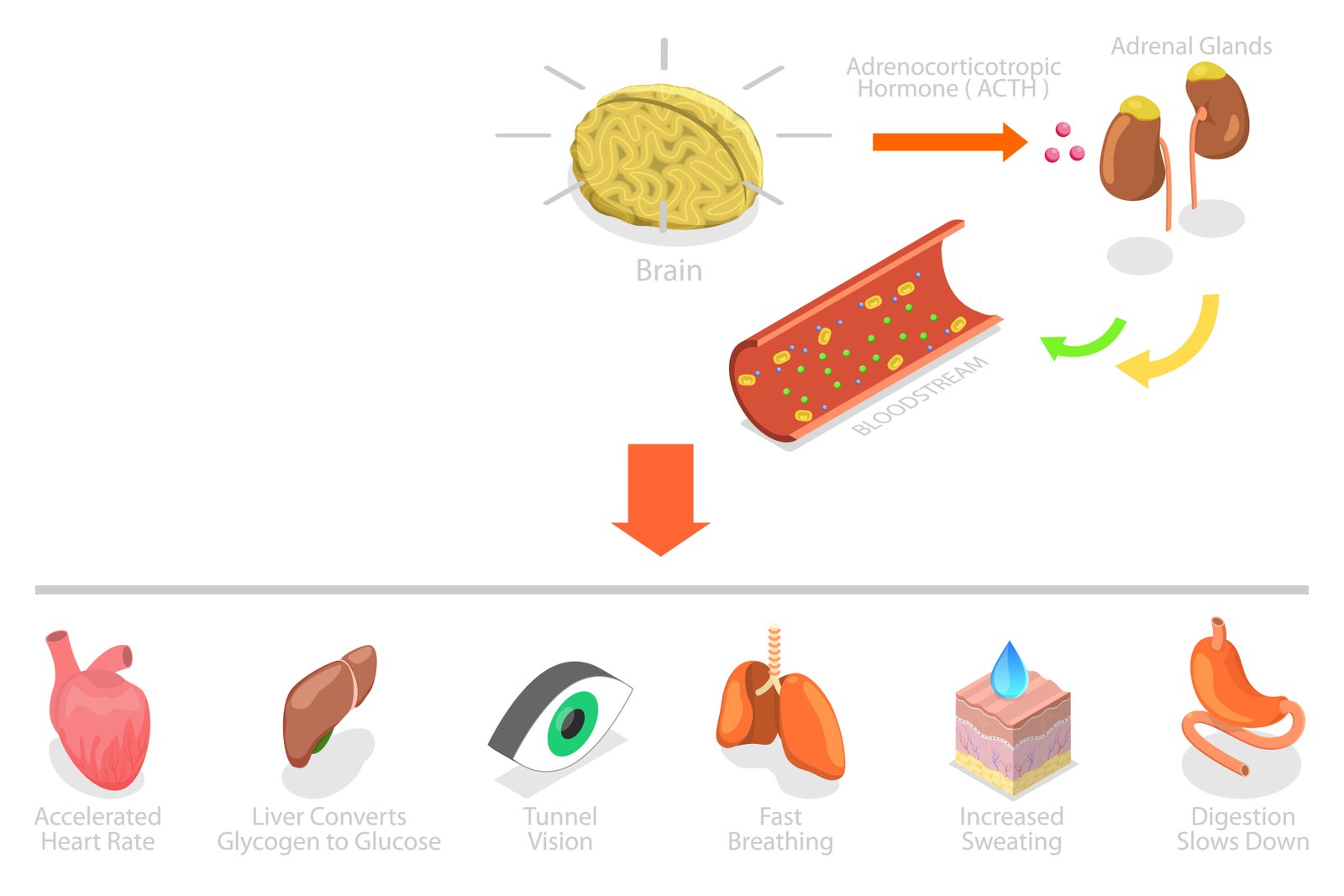
Chronic stress keeps cortisol elevated at times when it should be dropping, which interferes with the deeper stages of sleep even if you are technically getting seven or eight hours. The result is a kind of tiredness that rest alone does not fix, because the problem was never really about hours in bed. You can do everything right, blackout curtains, no screens, a consistent bedtime, and still wake up feeling like you never actually stopped working overnight. That is not a discipline problem. That is a nervous system that never got the memo to power down.
Your shoulders, jaw, or neck are tense by default
Muscle tension is one of the most reliable physical markers of chronic stress. Many people do not notice it until someone points out they are clenching their jaw or hunching their shoulders. It has simply become the resting state, which is exactly what makes it so easy to miss and so exhausting to carry, day after day, without ever consciously registering the weight of it.
Small annoyances feel disproportionately big
A slow driver, a typo in an email, a minor scheduling change. When your baseline stress is already high, there is very little buffer left before something tips you into irritation. This is not a personality flaw, it is a nervous system running with no reserve capacity, and it is one of the more visible signs of chronic stress, even if the people around you cannot name what they are actually seeing when you snap over something small.
You are relying on caffeine to function and something else to wind down
Needing coffee to get going and wine, snacks, or endless scrolling to come down at night is a common pattern when the body cannot regulate its own energy and calm on its own. Each one works briefly, which is exactly why the pattern repeats day after day, quietly becoming the scaffolding your entire day depends on just to feel functional.
Your digestion has gotten less predictable
The gut and the nervous system are closely linked, and chronic stress is one of the most common, and most overlooked, contributors to digestive changes: bloating, irregularity, or a stomach that reacts more than it used to. This connection is well documented by researchers studying the gut-brain axis, and it is often one of the last symptoms people connect back to stress, usually after ruling out everything else first.

You feel “on” even when nothing is happening
This is one of the clearest signs of chronic stress: a low hum of alertness even during downtime, like part of you is still waiting for the next thing to handle. Genuine rest starts to feel unfamiliar, almost uncomfortable, which is often the exact moment people finally stop and ask what is going on, because deep down they already know something is off.
Why “just relax” was never going to work
Here is the part that almost nobody tells you. Stress has physical and emotional components, so purely telling yourself to relax may not be enough. Practical changes such as sleep routines, movement, breaks, social support and professional care when needed can all matter.
That is the piece most advice leaves out, and it is exactly why so many people cycle through the same exhausting loop: push through, crash, recover just enough to push through again, never actually rebuilding the reserve that would let them stop white-knuckling their way through ordinary weeks.
What if this has been going on for months?
Long-lasting symptoms deserve a broader look rather than assuming one nutrient or supplement is missing. Start with sleep, workload, movement, alcohol and caffeine patterns, medications and mental-health support when appropriate.
What actually helps with chronic stress
The instinct is often to push through, since nothing on this list feels like an emergency on its own. But a nervous system stuck in chronic stress does not recover just by waiting it out or hoping next week will be lighter. It needs consistent inputs that support its ability to regulate itself again.
Start with changes that address the source and the recovery side of stress: regular sleep, movement, realistic boundaries, social support and evidence-based care when symptoms are persistent. Supplements can be considered later if there is a specific ingredient and reason to use it.
The takeaway
If several of these patterns sound familiar, treat them as information rather than proof of one diagnosis. Build recovery into the day and seek professional help when stress, sleep or mood is interfering with daily life.
If you are already comparing stress-support supplements, our Restilen guide shows how to evaluate one formula after the basics and safety questions are clear.
How to use this information in a realistic routine
It helps to treat health and supplement decisions as part of a bigger routine rather than as a single quick fix. Start with the basics that apply to the topic, keep changes simple enough to repeat, and give yourself time to notice whether the routine is actually practical. If a product is involved, compare the label, serving size, ingredient amounts, allergens and cost per serving instead of relying only on front-label claims.
For symptoms that are persistent, severe, new or getting worse, a clinician can help rule out causes that a wellness article cannot diagnose. That is especially important when symptoms overlap with medication effects, hormonal changes, digestive conditions or other health concerns. The goal is not to chase every trend; it is to make a sensible decision with clear expectations.
A simple check before you change your routine
- What specific problem are you trying to solve?
- Is the change realistic enough to repeat for several weeks?
- Are there medications, allergies or medical conditions to consider?
- Can you measure progress without relying on exaggerated promises?
- Would food, sleep, movement or professional care matter more than a supplement?
Stress symptoms are signals, not a diagnosis
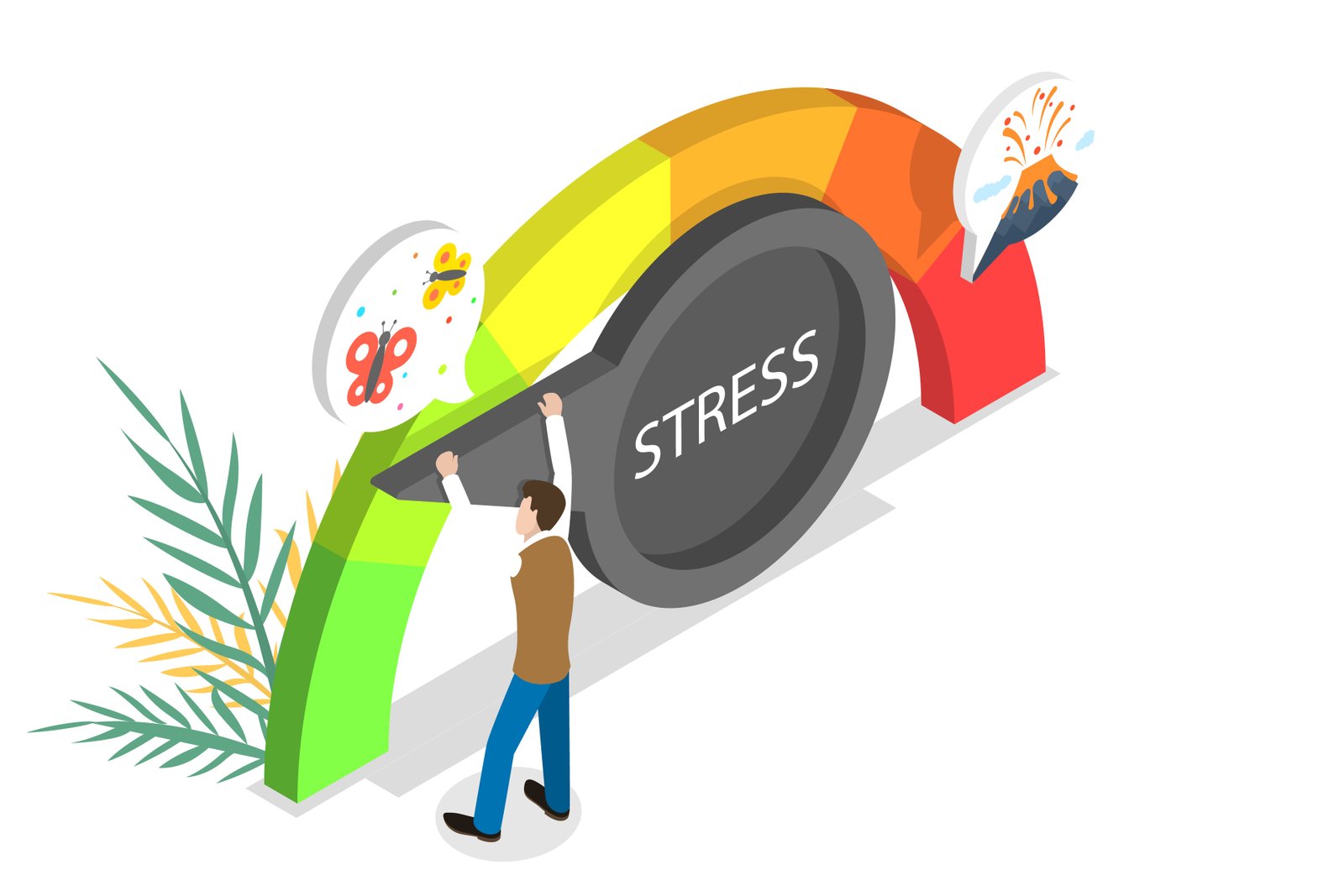
Fatigue, irritability, muscle tension, sleep disruption and changes in appetite can occur during prolonged stress, but they also overlap with many other conditions. If symptoms are persistent or interfere with daily life, it is reasonable to discuss them with a healthcare professional rather than assuming cortisol is the only explanation.