EVIDENCE-BASED NUTRITION GUIDE
What are you trying to decide today?
Choose the question closest to your situation. You can learn the difference first without deciding to buy anything.
Do collagen supplements actually work?
Start here if you are still deciding whether collagen makes sense at all.
What should you check on a collagen label?
Use this before comparing brands, serving sizes or added ingredients.
Does the formula include what you expect?
Review collagen type, vitamin C, serving details and transparency.
Collagen Peptides vs Gelatin: What’s the Difference?
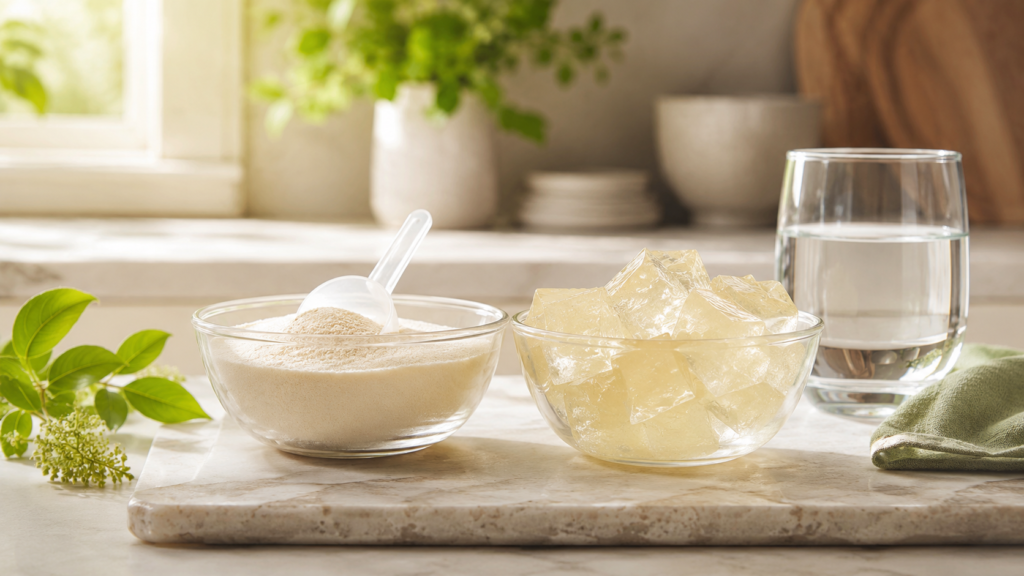
If you searched “collagen peptides vs gelatin,” you are probably trying to avoid buying the wrong thing. They come from the same protein family, but one is usually chosen for easy mixing while the other is chosen for gelling and cooking. The right answer depends on what you actually need it to do.
Collagen peptides vs gelatin in one table
| Feature | Collagen peptides | Gelatin |
|---|---|---|
| Processing | Hydrolyzed into smaller peptide chains | Partially hydrolyzed collagen |
| Mixing | Usually dissolves more easily | Blooms and forms a gel as it cools |
| Best use | Coffee, smoothies, water, oatmeal | Gummies, desserts, sauces, soups |
| Protein quality | Incomplete | Incomplete |
| Main buying check | Source, dose, testing, added ingredients | Source, bloom strength, recipe suitability |
They begin as collagen—but processing changes the result
Collagen is a structural protein found in connective tissues. Heat and processing can unwind its triple-helix structure into gelatin. Additional enzymatic hydrolysis breaks those larger chains into smaller collagen peptides. That extra step is why peptide powders usually mix without creating the firm texture associated with gelatin.
The collagen peptides vs gelatin difference is functional, not magical. “Hydrolyzed” does not automatically mean a product is superior, and gelatin is not an outdated version of collagen. Each form solves a different problem.
When collagen peptides make more sense
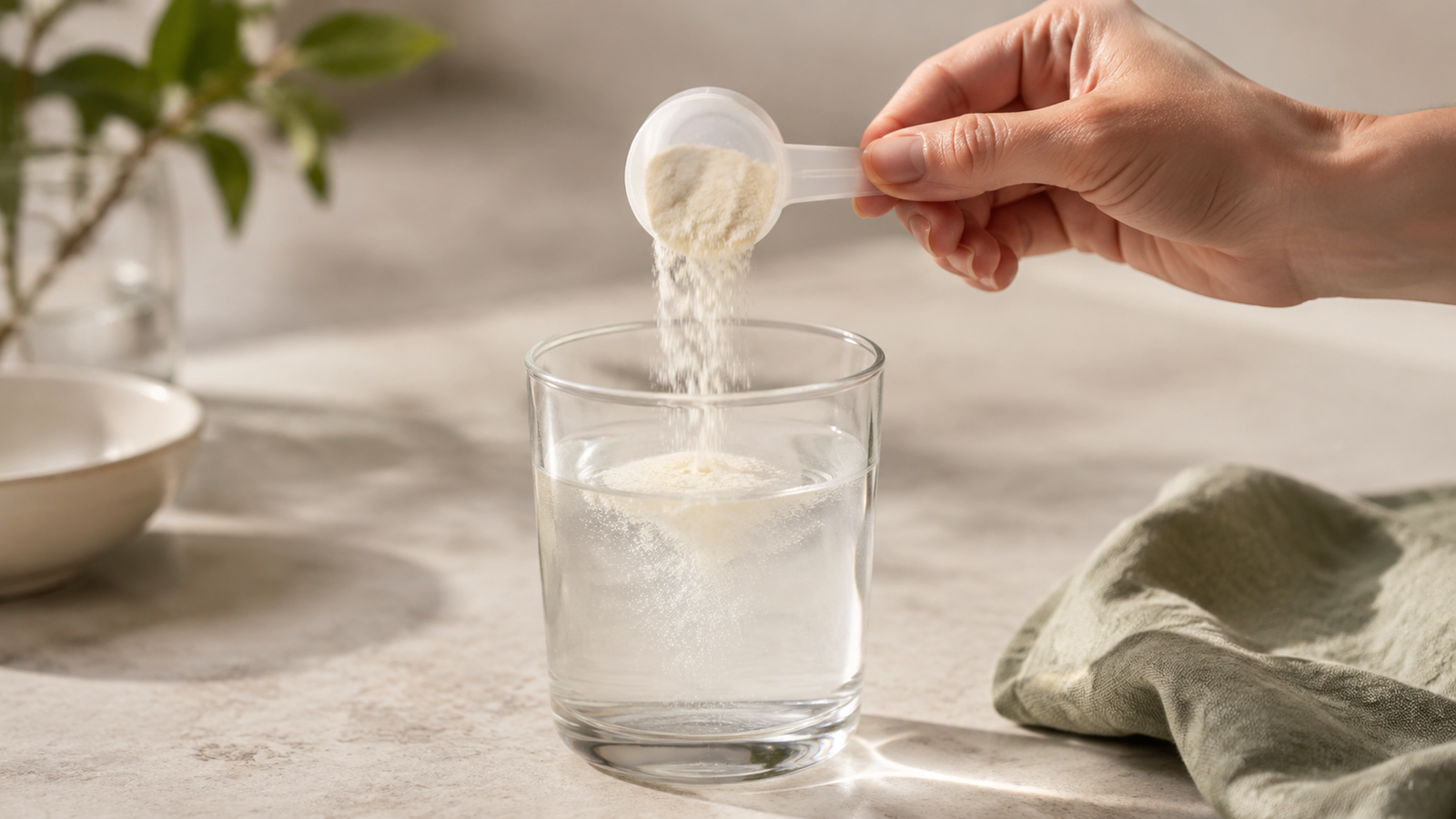
Peptides are convenient when consistency is the main goal. A neutral powder can fit into coffee, water, yogurt, or a smoothie without turning the food into jelly. That convenience may make it easier to use a labeled serving regularly.
When comparing collagen peptides vs gelatin, clinical research on oral hydrolyzed collagen has reported possible improvements in some skin measures and joint-related outcomes, but results vary by specific peptide, dose, study length, and population. Evidence for one tested formulation cannot automatically be transferred to every collagen product on a store shelf. PubMed Central is a useful place to review peer-reviewed research rather than relying on marketing claims.
When gelatin is the better choice
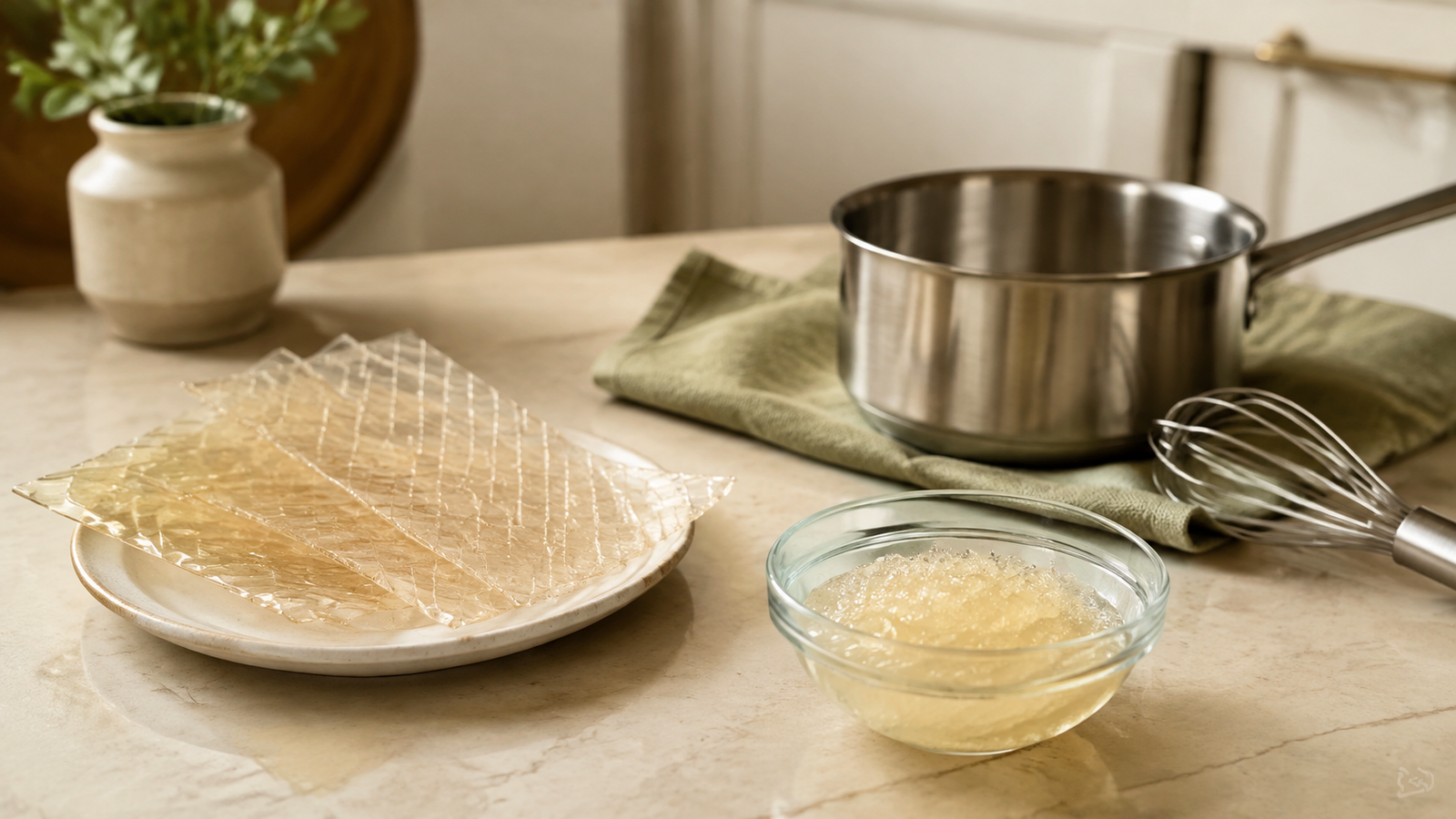
Gelatin is the practical winner in cooking. It absorbs liquid, thickens, and forms a gel when cooled. That makes it useful for homemade gummies, panna cotta, stabilized desserts, aspic, and certain soups or sauces.
Gelatin can contribute protein, but it should not be counted as a complete muscle-building protein. Collagen-derived proteins are relatively low in some essential amino acids and lack tryptophan. For overall protein quality, foods such as eggs, dairy, fish, meat, soy, or thoughtfully combined plant proteins are more complete.
For drinks
Collagen peptides are normally the easier option because they dissolve without setting.
For recipes
Gelatin is valuable precisely because it changes texture and structure.
For total protein
Use either as a supplement to—not a replacement for—complete protein foods.
Do peptides absorb better than gelatin?
Both are digested into peptides and amino acids. Hydrolyzed collagen begins with shorter chains, which improves solubility and may change how quickly certain peptides appear in circulation. However, “faster absorption” is not the same as guaranteed visible results. Your body still distributes amino acids according to its needs, and outcomes depend on the formulation and the rest of your diet.
How to read a collagen label
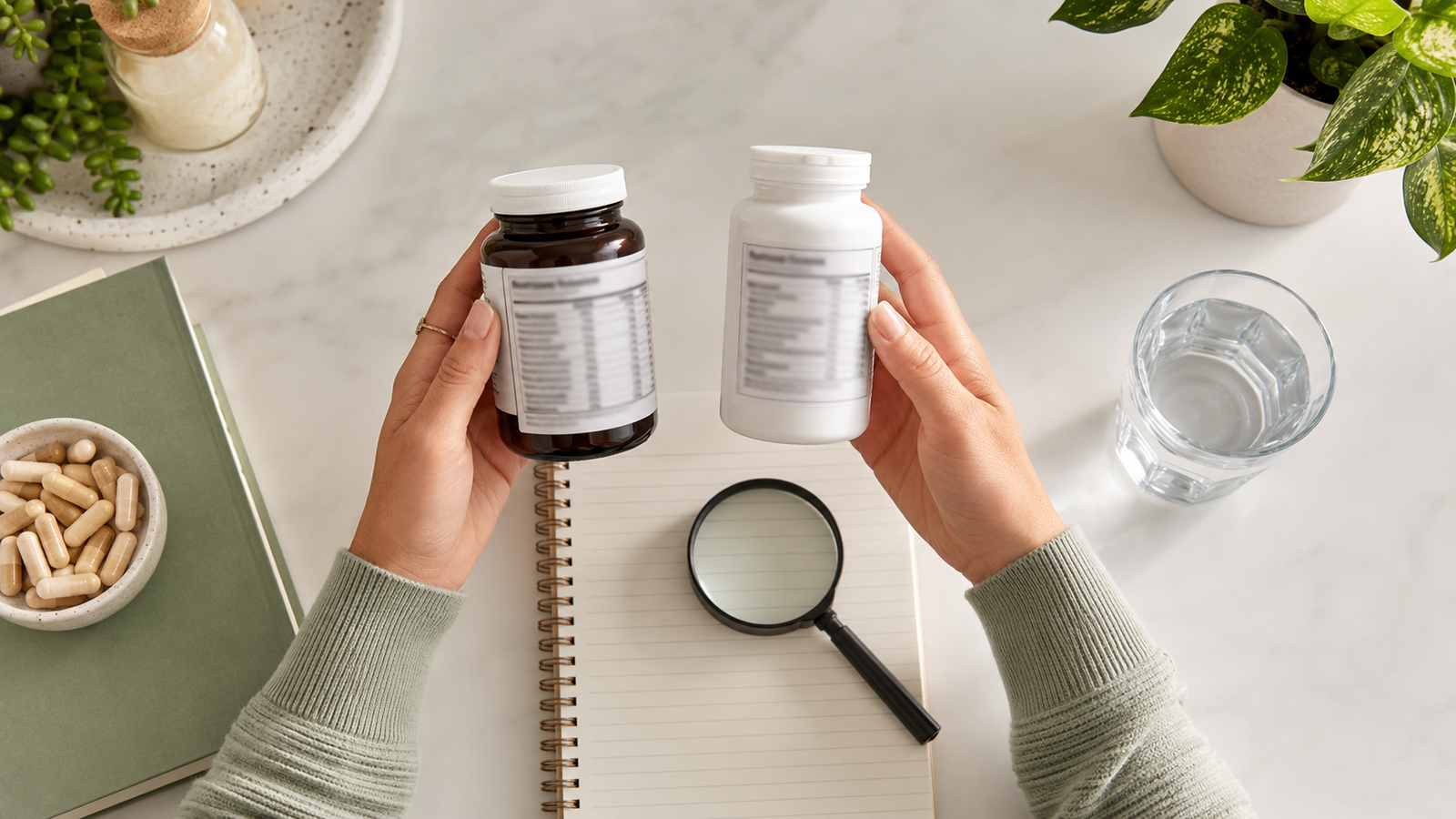
- Identify the source: bovine, marine, porcine, or another source may matter for allergies, dietary preferences, and cost.
- Check the actual serving: compare grams of collagen, not scoop size or front-label adjectives.
- Review added ingredients: sweeteners, flavors, vitamins, and botanicals may add value—or clutter.
- Look for credible testing: independent quality verification is more useful than vague “premium” language.
- Check allergens and origin: marine collagen is not appropriate for someone with relevant fish allergies.
What about vitamin C?
Vitamin C participates in the body’s normal collagen synthesis, but that does not mean every collagen serving requires a megadose. Many people can meet vitamin C needs through fruits and vegetables. If a product adds vitamin C, check the quantity and your total intake from other supplements.
Which one should you choose?
For a simple daily drink, collagen peptides are usually more practical. For texture and cooking, gelatin is the correct tool. In a collagen peptides vs gelatin decision, the better choice depends on what you need the ingredient to do. If your real goal is simply more dietary protein, begin by evaluating total protein intake and protein quality before buying either one.
FAQ
Can I substitute collagen peptides for gelatin in a recipe?
Usually not when the recipe depends on gelling. Peptides dissolve but generally do not create the same structure.
Are collagen peptides vegan?
No. Collagen is animal-derived. Products marketed as “vegan collagen” usually contain nutrients intended to support normal collagen production rather than collagen itself.
How long until collagen works?
There is no universal timeline or guaranteed result. Studies vary, and changes in skin or joint symptoms can have many causes.
Continue reading: What to look for in a collagen supplement · Do collagen supplements work? · VERISOL collagen + vitamin C checks
Sources: peer-reviewed research indexed in PubMed Central on oral collagen for skin and joint outcomes; NCCIH dietary supplement safety guidance. Educational information only; not medical advice.
Want to examine one formula without skipping the research?
If you have finished comparing the evidence and labels, our Collagen Select formula and serving guide explains the ingredients, serving details, buying considerations and affiliate relationship in one place. Reading the guide does not obligate you to purchase.
Check the source, dose, allergens and cost per serving; gelatin behaves differently in recipes.
View NativePath Collagen Peptides on Amazon →As an Amazon Associate, VitalHarmonyFit may earn from qualifying purchases.