Gut health guide · Updated 2026
Fibermaxxing: 7 Proven Ways to Increase Fiber Safely
A practical, evidence-based guide to how much fiber adults need, how to increase it comfortably, and when more can backfire.

Fibermaxxing is having a moment. The idea is simple: intentionally increase dietary fiber with foods such as beans, berries, whole grains, seeds and vegetables, sometimes with a supplement to close the gap.
The useful part of the trend is that it gets people thinking about a nutrient many diets undersupply. The risky part is turning a sensible target into a contest. Your digestive system usually responds better to steady increases than to a giant overnight jump.
1. What is fibermaxxing?
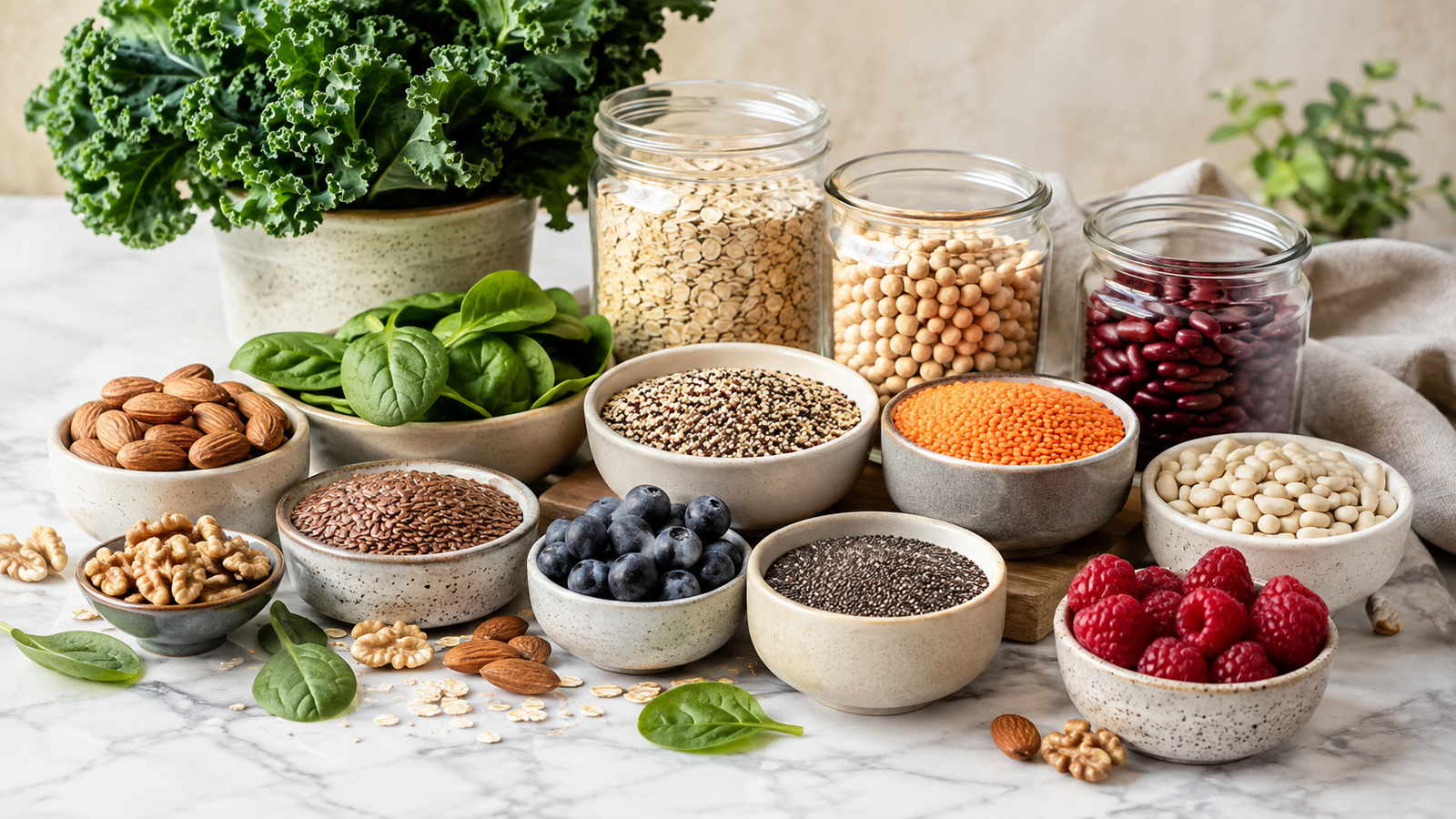
Fibermaxxing is a social-media name for a very old nutrition idea: eat more fiber-rich foods. What is new is the intensity. Some people actively track grams and stack several high-fiber foods into the same meal.
The trend overlaps with interest in gut health, fullness, cholesterol, blood sugar management and nutrient-dense eating. But the goal should be meeting your needs consistently, not chasing the biggest number.
2. How much fiber do adults actually need?
According to the National Institute of Diabetes and Digestive and Kidney Diseases, adults generally need about 22 to 34 grams of fiber per day, depending on age and sex. That is a useful target range, not a challenge to double overnight.
If your current intake is low, jumping immediately from around 10 grams to 40 or 50 grams can feel rough. NIDDK recommends adding fiber little by little so your digestive system has time to adjust.
3. Seven practical ways to increase fiber safely
Add a little more fiber every few days instead of doubling your intake overnight.
Fiber and water work together, especially with soluble fibers such as psyllium.
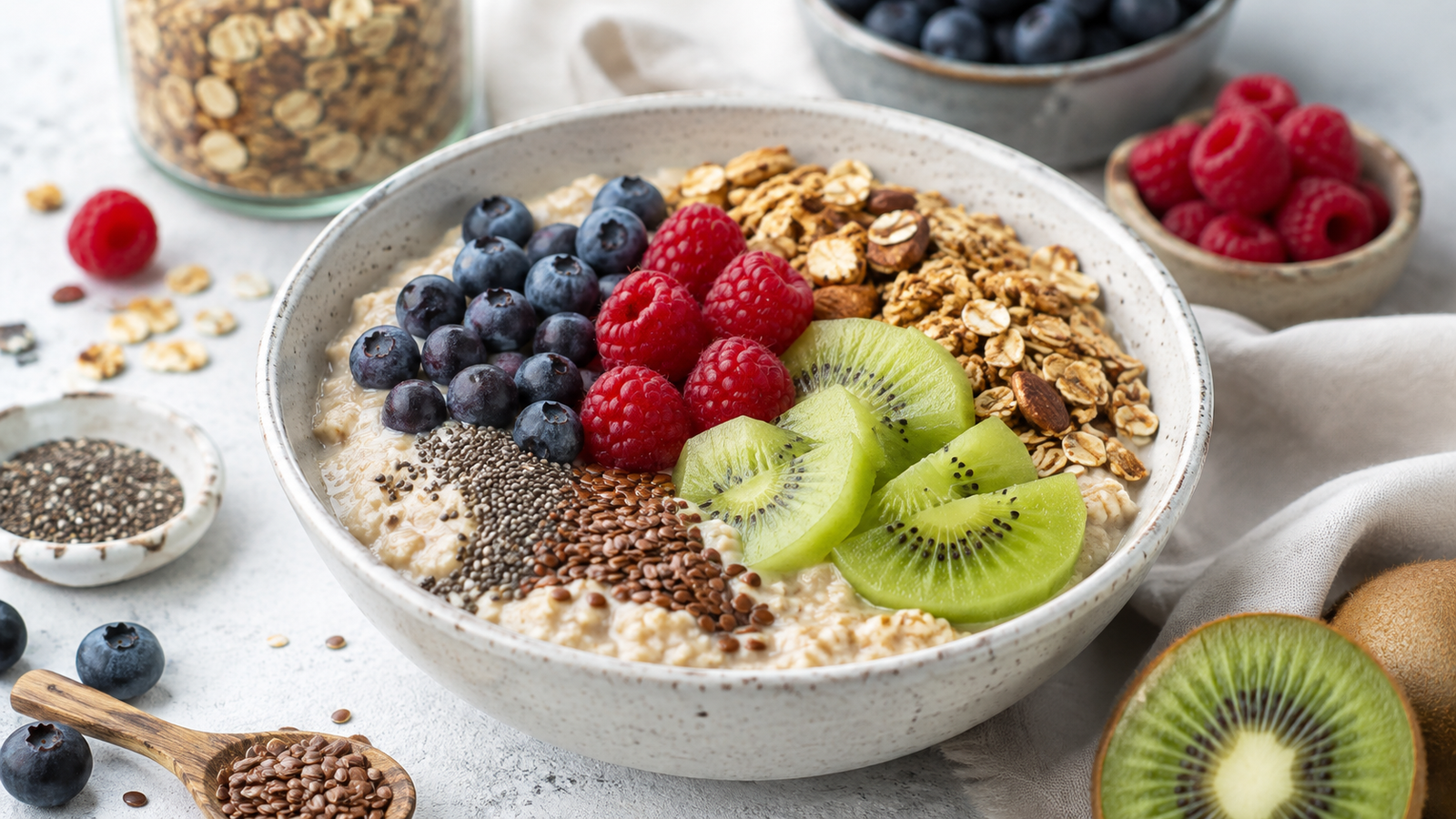
Oatmeal, berries, chia or ground flax can raise fiber without making the meal complicated.
Beans, chickpeas and lentils work well in salads, bowls, soups and side dishes.
Fruit, nuts, popcorn and vegetables can add a few grams throughout the day.
A fiber supplement can be useful, but it should complement a varied diet rather than replace one.
Gas, bloating or cramping can be signs that you increased too quickly or that a particular fiber type does not suit you.
Fiber and fluid work together. Soluble fibers such as psyllium absorb water and form a gel. Suddenly adding a large amount of supplemental fiber without enough fluid can make digestive discomfort worse.
That is one reason a food-first approach is useful. Whole foods bring vitamins, minerals and other nutrients along with the fiber.
5. What about psyllium, gummies and fiber powders?
Supplements can be useful when food alone is not getting you there, but the label matters. Psyllium is a soluble, bulk-forming fiber with a long history of use. Gummies may be convenient, but serving sizes, added sugars and sugar alcohols can vary widely.
6. A simple high-fiber sample day
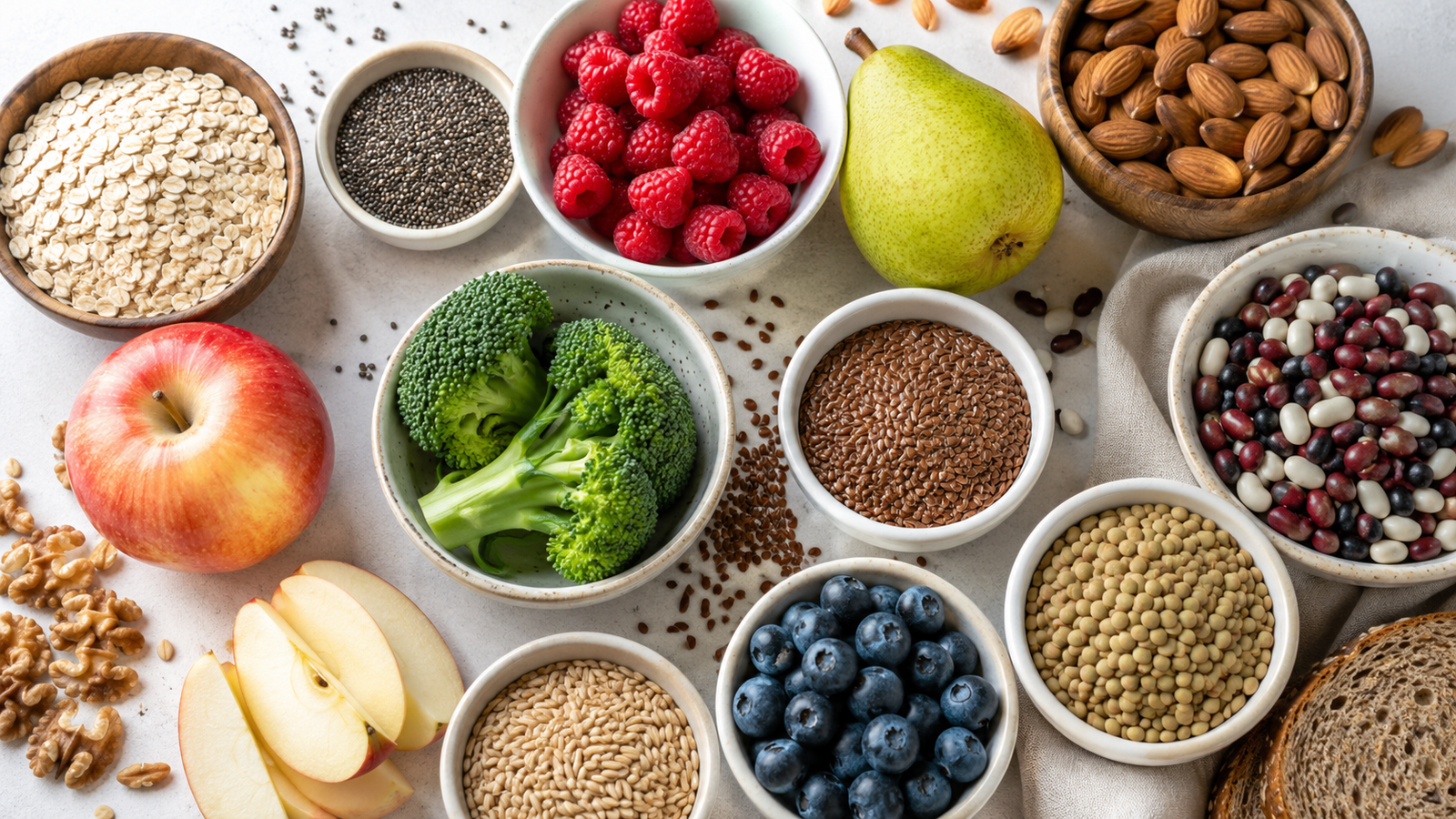
Sample day
Breakfast: oatmeal with berries and chia seeds.
Lunch: grain bowl with chickpeas, greens and vegetables.
Snack: an apple with a small handful of nuts.
Dinner: lentil soup or beans with vegetables and a whole grain side.
Fiber totals vary by portions and products. Use this as a meal-building example, not a prescription.
7. When can too much fiber backfire?
More is not automatically better. A fast increase can cause bloating, gas, cramping or changes in bowel habits. People with IBS or other digestive conditions may also respond differently to specific fiber types.
Fibermaxxing and GLP-1 users
The rise of GLP-1 medications is one reason fiber and protein are receiving more attention. People eating smaller portions may become more deliberate about nutrient density. At the same time, gastrointestinal side effects can be common with these medications, so aggressively adding fiber is not automatically the right move for every person.
If you use a GLP-1 medication, discuss persistent constipation, nausea or other digestive symptoms with your prescriber. Our overview of GLP-1 weight-loss medications explains the basics.
The bottom line
Fibermaxxing works best when it stops being a challenge and becomes a steady habit. Small increases, real food, enough water and attention to tolerance beat chasing the biggest number.
Compare fiber supplement optionsFAQ
Is fibermaxxing safe?
For many healthy adults, gradually increasing fiber-rich foods is reasonable. Problems are more likely when intake rises too quickly or when someone has a digestive condition that requires individualized guidance.
How quickly should I increase fiber?
There is no universal schedule, but gradual increases give your digestive system time to adapt. If you are currently eating very little fiber, do not try to hit a high target in one day.
Is food fiber better than a supplement?
Food should usually do most of the work because high-fiber foods also provide other nutrients. Supplements can be convenient when they fill a specific gap.
What is the best fiber supplement?
There is no single best option for everyone. Psyllium has a strong track record, while other fibers may be better tolerated depending on the person and goal.
This article is for educational purposes only and is not medical advice. If you have a digestive condition, take medications, or experience persistent symptoms, speak with a qualified healthcare professional.
Compare fiber type and dose; increase gradually and prioritize fiber-rich foods.
View NOW Psyllium Husk 200 Veg Caps on Amazon →As an Amazon Associate, VitalHarmonyFit may earn from qualifying purchases.