
For years, creatine had an image problem in women’s health spaces — filed away as a “bodybuilder supplement” that would supposedly cause bloating and bulk without much upside for anyone not chasing a gym-bro physique. That reputation has been steadily falling apart as research into creatine for women expands as more research specifically studies creatine in women, and it turns out the benefits extend well beyond muscle into areas like brain health and bone density that most people never associate with the supplement at all.

What creatine actually is
Creatine is a naturally occurring compound made from amino acids, stored primarily in muscle tissue where it helps regenerate ATP — the molecule your cells use for quick bursts of energy. The body produces some on its own and gets more from foods like red meat and fish, but supplementation raises muscle creatine stores well beyond what diet alone typically achieves. Creatine monohydrate is by far the most researched form, with a safety and efficacy track record that now spans well over two decades of clinical study.
Why women were historically underrepresented in creatine research
The bulk of early creatine research focused on male athletes, which left a real gap in understanding how it functions across the menstrual cycle, differing hormonal environments, and women’s generally lower baseline muscle creatine stores. That gap is closing quickly: more recent trials specifically enrolling women have found effects that are, if anything, sometimes more pronounced than in men — which makes sense given that women naturally store about 70-80% of the creatine men do, leaving more room for supplementation to make a measurable difference.
Cognitive benefits: the part most people don’t expect
The brain uses creatine for the same basic energy-buffering purpose muscle tissue does, and several trials have found that supplementation improves measures of working memory and processing speed — with effects that appear notably stronger during conditions of stress, sleep deprivation, or higher mental demand than during well-rested, low-stress baseline testing. Some research specifically in women has found creatine may help offset the cognitive fog and fatigue that can accompany the luteal phase of the menstrual cycle, when the brain’s energy demands and creatine utilization both appear to shift. This is a genuinely newer area of research compared to the muscle-focused studies, but it’s become one of the more actively studied angles in the last few years.

Bone density and aging
Postmenopausal women face a steep, well-documented decline in bone density, and a handful of trials combining creatine supplementation with resistance training have found modestly better bone mineral density outcomes compared to resistance training alone. The proposed mechanism ties back to creatine supporting the muscle contractions that place beneficial mechanical stress on bone — stronger, more consistent training sessions translating into better skeletal loading over time. This research is still early and the effect sizes are modest, but it’s a meaningfully different angle than the muscle-mass framing creatine is usually associated with.
Muscle mass and strength: still the best-established benefit
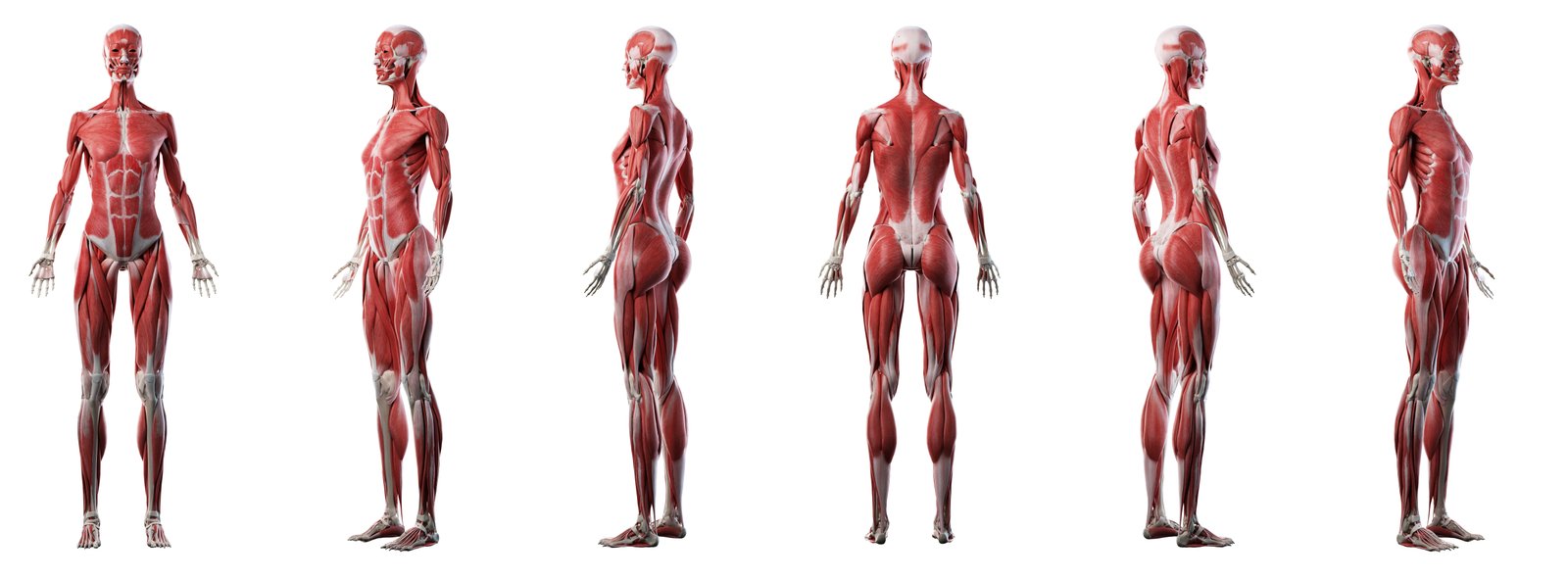
None of the newer research changes the fact that creatine’s most robust, most replicated benefit remains muscle strength and lean mass when combined with resistance training. For women specifically, this matters increasingly with age — our piece on muscle loss after 50 covers why preserving lean mass becomes a bigger priority than most people realize as the decades add up, and creatine is one of the more evidence-backed tools available for that specific goal, alongside adequate protein and resistance training itself.
Addressing the water retention concern directly
The “bloating” reputation isn’t entirely made up — creatine does pull water into muscle cells, which can show up as a small increase in scale weight during the first week or two of use. This is intracellular water retention (inside the muscle cell), not the kind of puffy, under-the-skin water retention people tend to picture, and it typically stabilizes after the initial loading period. It’s also not fat gain, despite sometimes getting lumped in with that fear. For most people, this effect is genuinely minor and not visually noticeable, though it’s a fair thing to be aware of going in rather than being caught off guard by it.
How creatine interacts with hormonal changes
Estrogen appears to influence how the body handles creatine and its energy-related pathways, which is part of why researchers have gotten more interested in studying supplementation across different life stages specifically in women rather than assuming male-derived data applies equally. During perimenopause and menopause, as estrogen declines, some researchers hypothesize that creatine’s energy-buffering role may become more relevant precisely because the body loses some of the metabolic support estrogen previously provided. This remains an active area of study rather than settled science, but it’s part of why creatine has moved from a niche bodybuilding supplement to a much more broadly recommended one across women’s health research in the last several years.
Dosage and practical notes
A standard daily maintenance dose of 3-5g of creatine monohydrate is what most current research supports, and a “loading phase” (a higher dose for the first 5-7 days) isn’t strictly necessary — it speeds up how quickly muscle stores saturate, but skipping it and just taking the standard daily dose reaches the same end result within about 3-4 weeks. Timing relative to workouts doesn’t appear to matter much based on current evidence; consistency day to day matters far more than whether it’s taken before or after training. The International Society of Sports Nutrition maintains a detailed position stand on creatine safety and dosing that’s worth a look for anyone wanting the full clinical picture.
Choosing the right creatine for women is fairly straightforward compared to a lot of supplement categories: creatine monohydrate, ideally third-party tested (look for NSF Certified for Sport or Informed Sport labeling), is what the vast majority of the research actually studied. Newer forms marketed as “better absorbed” or “no bloating” generally lack the same depth of evidence, and creatine monohydrate’s solubility and absorption are already well established — there’s rarely a strong reason to pay a premium for an alternative form over the extensively studied original.
FAQ
Will creatine make me look bulky?
No — creatine supports strength and lean muscle development over time when combined with training, but it does not cause the kind of significant size increase people associate with “bulking.” The visible outcome is closer to more defined, slightly firmer muscle, not dramatically larger muscle.
Is creatine safe to take long-term?
Yes — creatine monohydrate is one of the most extensively studied supplements available, with decades of research supporting long-term safety in healthy adults at standard doses. People with existing kidney conditions should check with a healthcare provider first.
Do I need to cycle on and off creatine?
No — current research does not support any meaningful benefit to cycling creatine use. Continuous daily use at a maintenance dose is what most of the research protocols actually studied.
Can creatine help with menopause symptoms specifically?
Early research suggests creatine may support muscle mass, bone density, and cognitive function during and after menopause — all areas commonly affected by declining estrogen — though it is not positioned as a treatment for menopause itself or its hormonal symptoms directly.
This article is for informational purposes only and is not medical advice. Consult a healthcare provider before starting any new supplement, especially if you take medication or have an existing health condition.